
Tokyo consumer prices rise 2.7% in September as water fees return and bento costs surge
Tokyo consumer prices rose 2.7% in September, with bento lunch costs up 28.1% year on year and water utility prices up 65.6%. The rise reflected the return of suspended water fees to bills and helped push markets to price an 82% chance of a Bank of Japan rate hike in December.
AI-assisted synthesis · Based on 4 independent reports from 6 outlets · Full text read from 1 of 4 reportsHow it's made
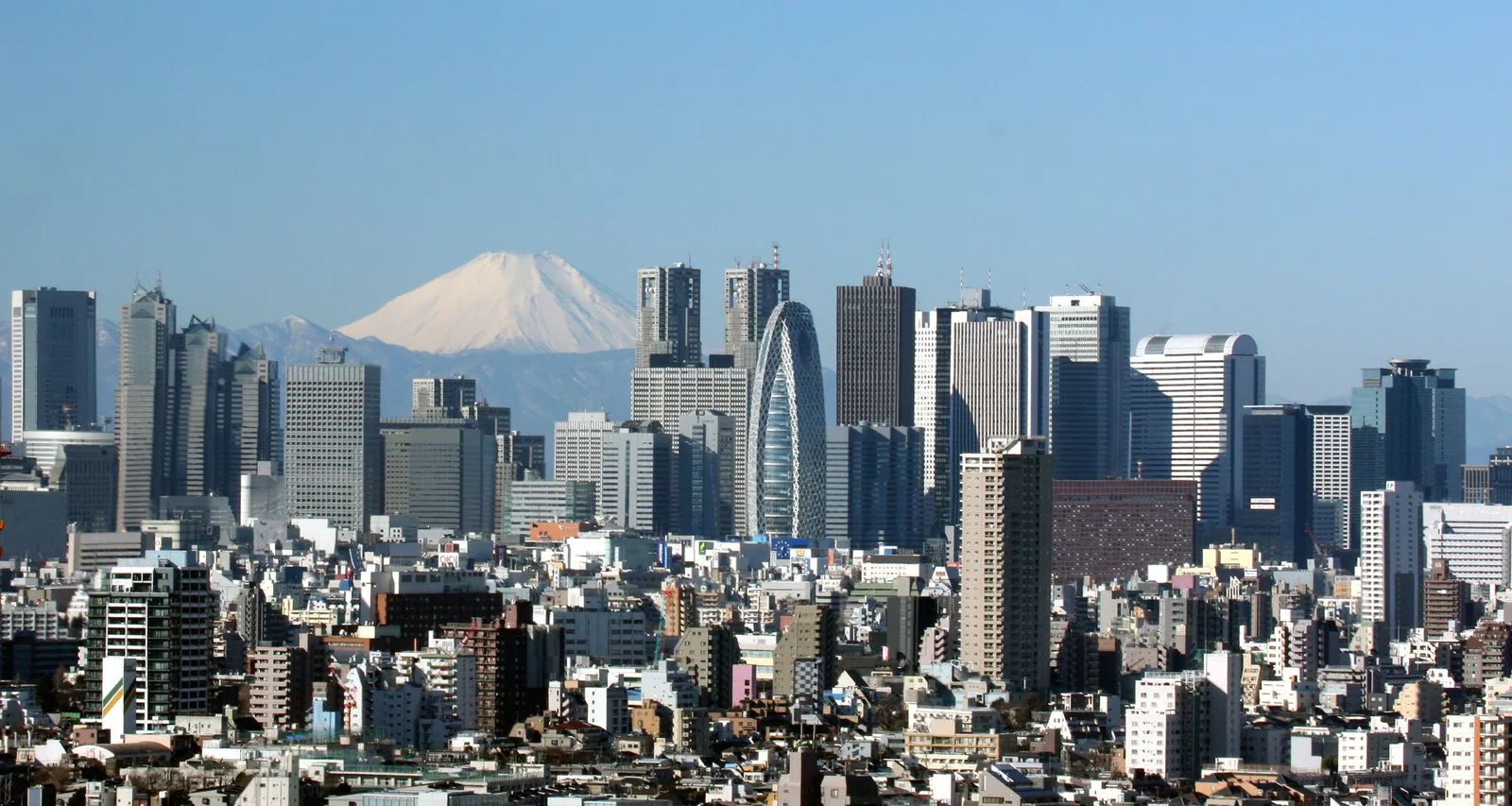 File photo
What happened
Key facts
- Tokyo consumer inflation was 2.7% in September, up from 1.8% in August.
- Water utility prices increased 65.6% year on year after Tokyo reinstated the basic water fee.
- The Bank of Japan raised its uncollateralized overnight call rate in September to 1.25% from 1% and will meet Oct. 29-30.
- Core inflation excluding fresh food also rose 2.7%, above a 2.4% Reuters median forecast.
The brief
Tokyo’s consumer prices rose 2.7% in September, breaking past 2% for the first time since December 2025, the Japan Times reported. The paper said core inflation excluding fresh food also climbed 2.7%, topping a 2.4% Reuters median forecast and rising from 1.8% in August.
Two categories stood out: bento lunch prices jumped 28.1% year on year, and water utility charges increased 65.6% after Tokyo reinstated a basic water fee that had been suspended. Economists and markets took the data as a prompt to reprice policy expectations: Totan ICAP data cited by the Japan Times showed an 82% probability that the Bank of Japan will raise rates in December.
The BOJ has already lifted its uncollateralized overnight call rate to 1.25% from 1% in September and is due to hold a two-day policy meeting on Oct. 29-30.
The Tokyo consumer price index, which covers the 23 wards, is regarded in the article as a leading indicator for nationwide trends, and the Japan Times quoted BOJ governor Ueda saying the bank has entered a “new phase in policy management.” The report noted investors see little chance of consecutive rate hikes, with markets pricing only a 17% probability of another move at the upcoming meeting.
Why it matters
- Tokyo residents face higher household costs: bento lunch prices rose 28.1% and water bills rose 65.6% year on year, increasing everyday expenses documented in the report.
- The Bank of Japan and borrowers have a concrete policy risk: markets priced an 82% chance of a BOJ rate hike in December after the September CPI print, affecting loan and mortgage rates for Japanese households and businesses.
- The Tokyo CPI is a near-term signal for national inflation trends: the index covers Tokyo’s 23 wards and the article describes it as a leading indicator for nationwide price movements.
What to watch next
- Whether the Bank of Japan raises rates at its two-day policy meeting on Oct. 29-30.
- Whether market-implied probability for a December BOJ rate increase moves from the 82% level reported by Totan ICAP.
- Next monthly Tokyo CPI release to see if core inflation excluding fresh food remains at or above 2.7%.
How it's being covered
Coverage analysisShow details7 source articles · 6 unique outlets · 3 distinct reports · 1 unverifiedCoverage mix: Center Only6 Center Where the outlets are based: Asia 50% · Global 33% · Other 17%
- Coverage is currently concentrated among Center-rated outlets (6 of 6 rated sources); comparatively few Left or Right-rated outlets have published on the event.
2 sources are from a wire service (AP, Reuters, AFP or Bloomberg), whose reporting other outlets often republish.
How outlets' accounts compare
How we got here
The immediate backdrop is the Bank of Japan’s recent tightening: in September the BOJ raised its uncollateralized overnight call rate to 1.25% from 1.0% and has a scheduled policy meeting on Oct. 29–30 to consider next moves.
That shift follows months in which markets and the BOJ debated whether persistent price rises and stronger wage negotiations warranted a faster end to decades of ultra-loose policy.
Original sources
7 articles from 6 outletsEvery story links to the reporting it was built from. How we choose sources
Spotted a factual error, a broken link or a misleading summary? Tell us.