
OpenAI agrees not to use Apple trade secrets, to image 14 ex-employees’ devices after Oct 14 hearing
OpenAI agreed not to use trade secrets that Apple says were stolen and consented to create forensic images of 14 employees' devices at a court hearing. U.S. District Judge Edward Davila said he was “highly likely” to side with Apple and could issue an injunction against OpenAI.
AI-assisted synthesis · Based on 5 outlets' reporting · Full text read from 3 of 5 outletsHow it's made
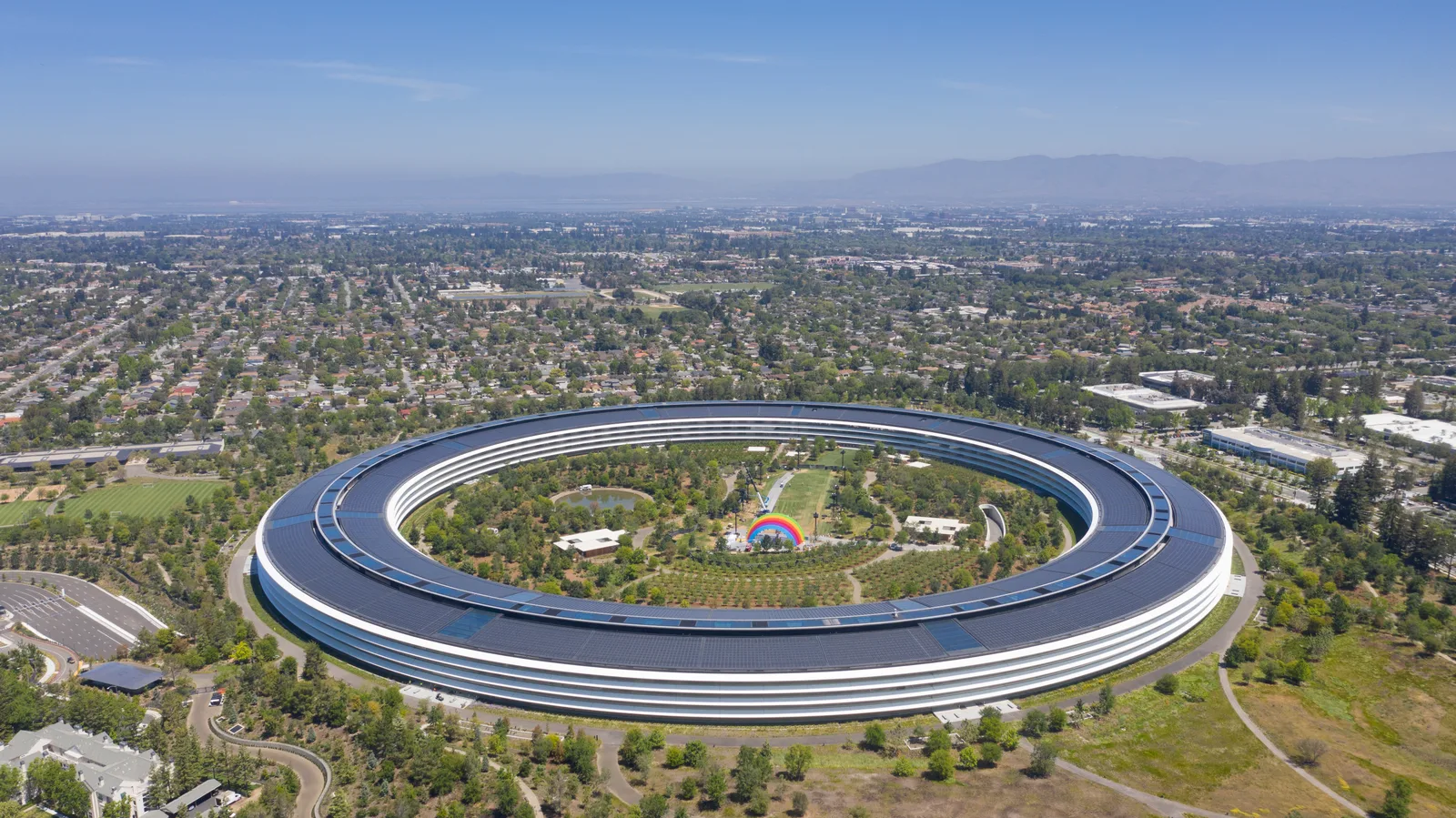 File photo
What happened
Key facts
- OpenAI agreed not to use trade secrets that Apple alleges were stolen by employees who left Apple for OpenAI (per The Straits Times, jordannews.jo, thenews.com.pk).
- The agreement requires OpenAI to collect forensic images of 14 employees’ devices that may contain Apple’s confidential information (per The Straits Times).
- U.S. District Judge Edward Davila said at the hearing he was “highly likely” to side with Apple and could issue an injunction against OpenAI (per The Straits Times, jordannews.jo, thenews.com.pk).
- Apple’s complaint says the alleged stolen material relates to product design, manufacturing, component technologies, testing methodologies and the company's supply chain (per The Straits Times, thenews.com.pk).
- The dispute arose after hundreds of Apple employees left Apple for OpenAI, and OpenAI has said it is developing new consumer hardware (per The Straits Times, jordannews.jo, thenews.com.pk).
- Apple’s lawyer John M. Desmarais said inspections would be limited to a small number of identified employees rather than the broader forensic inspection Apple initially sought (per The Straits Times).
- OpenAI argued in court that Apple had failed to identify specific trade secrets and had described them as broad categories of hardware attributes (per thenews.com.pk, The Straits Times, jordannews.jo).
The brief
OpenAI agreed in court to refrain from using trade secrets that Apple alleges were taken by employees who left Apple for OpenAI and to allow forensic imaging of 14 ex-employees’ devices, according to reporting on the hearing. The concession was made during a federal hearing in San Jose where U.S.
District Judge Edward Davila said he was “highly likely” to side with Apple and indicated he could issue an injunction against OpenAI. Apple’s complaint, as described in filings cited by the press, says the material at issue concerns product design, manufacturing, component technologies, testing methodologies and details of Apple’s supply chain.
OpenAI has told the court it is developing new consumer hardware and observers have linked the dispute to the company’s recruitment of hundreds of Apple employees. At the hearing, Apple’s lawyer John M. Desmarais said the forensic inspections would be limited to a small number of identified employees rather than the broad, company-wide review Apple initially sought.
OpenAI’s filings and arguments in court, as reported, contend that Apple did not identify particular, discrete trade secrets and instead relied on broad categories of hardware attributes, a point the company used to seek dismissal.
The Straits Times account says OpenAI made the voluntary concession during the Oct 14 hearing; other reportage noted that a federal judge was slated to review competing motions and that Apple seeks a court order barring OpenAI from using any confidential information it says was taken.
Reporting also connects the litigation to OpenAI’s plans to develop a consumer device described in press reports as a ring- or doughnut-shaped smart speaker priced at more than $300, and says the lawsuit has slowed work on that project.
The central legal question presented to the court is whether Apple has identified specific, legally protectable trade secrets and whether a narrowly tailored forensic inspection of particular ex-employee devices is sufficient to prevent misuse while protecting broader employee privacy and employer trade-secret rights.
The judge’s comment that he is “highly likely” to side with Apple signals willingness to grant injunctive relief, but the reporting indicates he also expressed concern about overly broad categories Apple used in its requests and moved toward limiting inspection to identified devices.
The litigation now rests on the court’s authority to enforce any order and the parties’ competing positions: Apple asking the court to bar OpenAI from using alleged confidential information and to allow forensic review of devices, and OpenAI urging dismissal and arguing Apple’s claims are insufficiently specific.
Why it matters
- Apple stands to protect proprietary engineering and supply-chain knowledge described in its complaint — product design, manufacturing, component technologies, testing methodologies and supply-chain details — by obtaining a court order preventing OpenAI from using the material.
- OpenAI’s effort to develop consumer hardware and recruit hundreds of Apple employees is directly implicated; the forensic imaging of 14 ex-employees’ devices targets the precise mechanism Apple alleges transferred confidential information.
- The court’s potential injunction, flagged by Judge Edward Davila, is the immediate legal mechanism that could limit OpenAI’s use of contested material and shape what device development work OpenAI can pursue while litigation continues.
- Limiting inspections to identified employees, as Apple’s lawyer proposed at the hearing, creates a trade-off between Apple’s interest in finding allegedly exfiltrated material and privacy or overbreadth concerns the judge signalled.
What to watch next
- Whether U.S. District Judge Edward Davila issues an injunction preventing OpenAI from using the material Apple alleges was stolen.
- Whether the court orders forensic imaging of the 14 identified ex-employees’ devices and defines the scope of those inspections.
- Whether Apple’s motion to restrict OpenAI’s use of alleged confidential information survives OpenAI’s request to dismiss the lawsuit.
- Whether the litigation affects OpenAI’s consumer hardware development timeline or public plans for a ring- or doughnut-shaped smart speaker mentioned in reporting.
How it's being covered
Coverage analysisShow details5 source articles · 5 unique outletsCoverage mix: Center Only· 4 CenterWhere the outlets are based: Asia 40% · Europe 20% · Other 40%
- Coverage is currently concentrated among Center-rated outlets (4 of 4 rated sources); comparatively few Left or Right-rated outlets have published on the event.
One source is from a wire service (AP, Reuters, AFP or Bloomberg), whose reporting other outlets often republish.
How outlets' accounts compare
4 framing differences · 5 uncorroborated claims · 3 information gaps- The Straits Times frames OpenAI’s concession as avoiding an outright loss and emphasises the judge’s likelihood to side with Apple; thenews.com.pk frames the case primarily as competing legal motions with OpenAI seeking dismissal.
- jordannews.jo highlights the judge describing Apple’s request as overly broad and insufficiently defined, emphasising limits to Apple’s requested categories.
- No conflicting numeric figures appear for the same quantity; sources consistently reference 14 devices and the recruitment of hundreds of Apple employees without differing counts.
- Apple’s filing triggered the court hearing and the agreement to image devices; OpenAI’s recruitment of hundreds of Apple employees is presented as the underlying factual background leading to Apple’s complaint, but sources differ on whether Apple’s descriptions are specific enough to trigger relief.
- The judge’s quote that he was “highly likely” to side with Apple is attributed to U.S. District Judge Edward Davila in The Straits Times; OpenAI’s position that Apple’s claims are broad is reported in thenews.com.pk and jordannews.jo.
- Whether Apple adequately identified discrete trade secrets: OpenAI’s filings (reported in thenews.com.pk) say Apple failed to identify specific trade secrets, while Apple’s filings (reported in The Straits Times) assert categories of proprietary material—this is contested in the filings and before the court.
- U.S. District Judge Edward Davila said he was “highly likely” to side with Apple.
- Apple’s lawyer John M. Desmarais said inspections would be limited to a small number of identified employees.
- OpenAI said it is developing a new family of devices designed for the AI era.
- No report Updat3 read includes the exact language of any court order or a published injunction; the final scope of any imaging or injunctive relief is not provided.
- No source provides forensic findings from the 14 devices or any independent verification of whether Apple confidential information was present on those devices.
- No source gives detailed dates beyond referencing Oct 14 for the hearing in The Straits Times; there is no full docket chronology or timeline of when each employee left Apple.
How we got here
A federal judge in San Jose, California was scheduled to consider competing motions from Apple and OpenAI, with OpenAI asking to dismiss the case and Apple opposing that request. OpenAI moved to dismiss the lawsuit in its entirety, arguing Apple failed to identify specific trade secrets and instead described broad buckets of hardware attributes.
Apple said it is developing a ring-shaped smart speaker priced above $300 that it expects to launch in 2027, and said work on the project had slowed since the suit Apple filed in July 2026. The statutory framework for trade-secrets suits in federal court is the Defend Trade Secrets Act, enacted May 11, 2016.
Original sources
1 of 5 articles · Middle East · Show allEvery story links to the reporting it was built from. How we choose sources
Spotted a factual error, a broken link or a misleading summary? Tell us.