
Donald Trump Jr privately opposed Iran war, The Atlantic reports
The Atlantic reported that Donald Trump Jr privately opposed the U.S. war with Iran from its outset and told President Donald Trump his view. He has not publicly criticized his father over the conflict, according to the report.
AI-assisted synthesis · Based on 5 outlets' reporting · Article text read from 3 of 5 outlets · 1 article captured only in partHow it's made
View timeline · 12 entries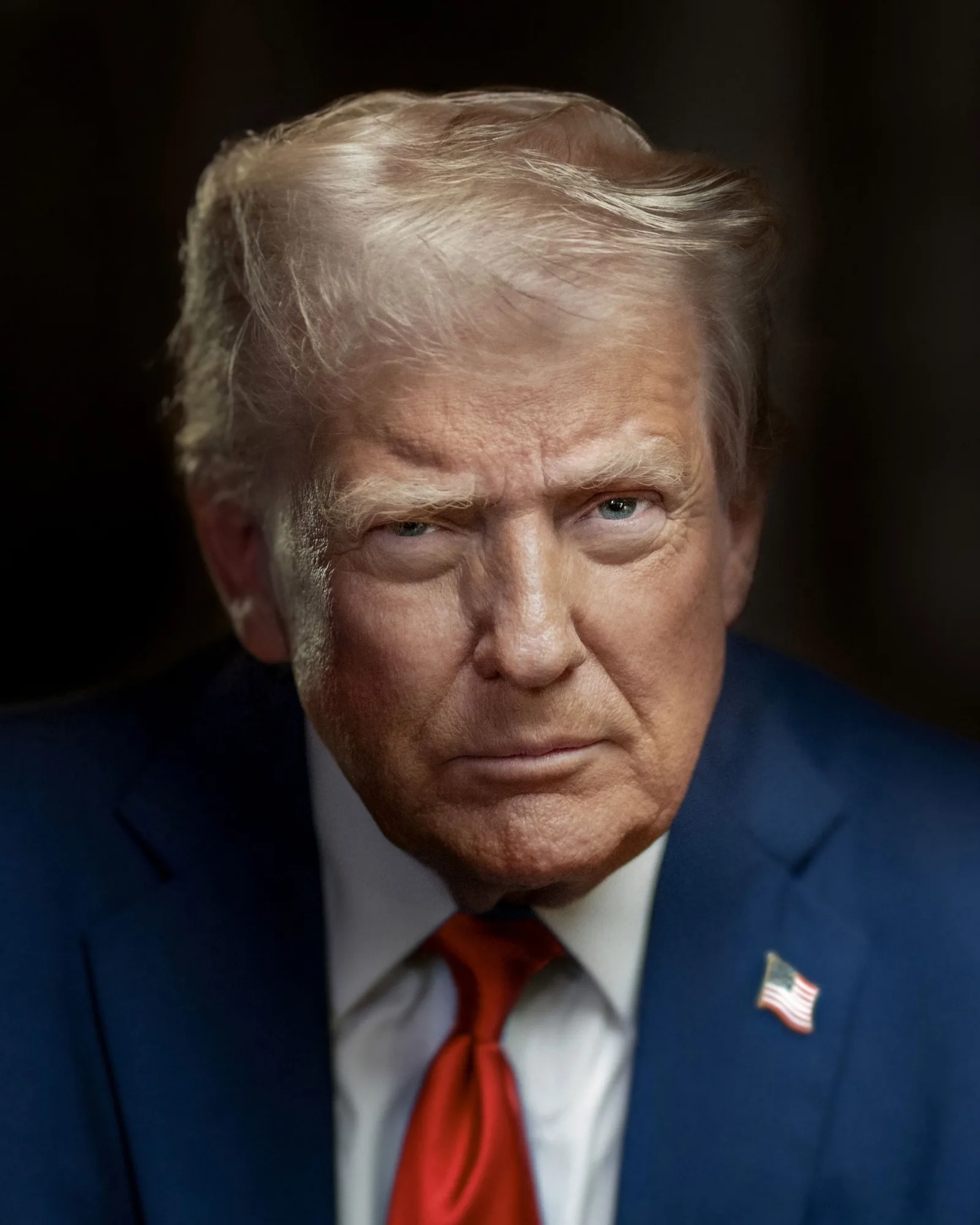 File photo
What happened
Key facts
- A person close to Donald Trump Jr told The Atlantic that he kept his position private and would not publicly break with his father over the issue.
- Donald Trump Jr had supported his father’s campaign promise to keep the United States out of another Middle East war.
- The article says Donald Trump launched a military campaign alongside Israel against Tehran.
The brief
Donald Trump Jr privately opposed the U.S. war with Iran from its outset and conveyed that position directly to his father, President Donald Trump, according to The Atlantic. The account, relayed by multiple outlets, describes a private disagreement that has not become a public break: Trump Jr has not publicly criticized his father over the conflict.
The Times of India and Outlook India describe Trump Jr’s opposition as rooted in a view that the United States should avoid another Middle East conflict. The Times of India adds that he had supported his father’s campaign promise to keep the country out of another war in the region.
That history gives the reported disagreement a political dimension: it touches a pledge associated with Donald Trump’s campaign, as well as the conduct of the current war. The outlets identify the conflict as a U.S. military campaign alongside Israel against Iran. JFeed places the launch of U.S. and Israeli strikes on February 28.
The Times of India describes the campaign as directed against Tehran. None of the accounts gives casualty figures or details of the military campaign beyond its participants and broad description. The reported private exchange is based on people who spoke with Trump Jr.
JFeed and Outlook India say The Atlantic cited two people who had spoken with him directly or were familiar with his view; The Times of India separately describes a person close to him who said he kept his position private. The accounts point to the same central claim: Trump Jr told his father he opposed the war, while declining to make that disagreement public.
The outlets emphasize different aspects of the political setting. The Times of India connects the dispute to the campaign promise and the debate within Donald Trump’s political base. JFeed adds that Republicans fear voter backlash over the war and rising gasoline prices could hurt them in the November 3 midterms.
That electoral concern is presented as a reported fear, not as evidence that voters have already changed their views or that the war has determined election outcomes.
Outlook India adds a separate account of Donald Trump’s public posture toward Israel and Iran: it says he endorsed Israeli Prime Minister Benjamin Netanyahu ahead of Israel’s upcoming elections and said Iran “has been decimated,” with the United States and Israel set to “finish the job soon.” It also reports that the two leaders were said to be discussing renewed military action.
These claims provide a contrasting public backdrop to the reported private opposition in his family, but the outlet does not connect the remarks or discussions to Trump Jr’s position. The immediate political question raised by the reporting is whether Trump Jr’s private opposition will remain private as the war continues and the November 3 midterms approach.
The sources establish no public criticism from him, while JFeed’s account identifies Republican concern about potential electoral costs and Outlook India describes the president’s public support for further action alongside Israel.
Why it matters
- Donald Trump Jr’s private objection contrasts with his father’s campaign promise to keep the United States out of another Middle East war, a pledge the Times of India says Trump Jr had supported.
- JFeed reports that Republicans fear the war and higher gasoline prices could create voter backlash ahead of the November 3 midterms; the mechanism it identifies is electoral risk, not a measured change in voter support.
- Outlook India reports that Donald Trump publicly endorsed Benjamin Netanyahu and spoke of the United States and Israel finishing the job against Iran, while also reporting private opposition from his son.
What to watch next
- Whether Donald Trump Jr makes any public criticism of the war; the accounts say he has not done so.
- Whether Donald Trump and Benjamin Netanyahu pursue the renewed military action that Outlook India says they were reported to be discussing.
- Whether the war and gasoline prices become an electoral issue for Republicans in the November 3 midterms, as JFeed reports they fear.
How it's being covered
Coverage analysisShow details6 source articles · 5 unique outletsOutlet political mix: Center Only· 3 Center · 2 unratedWhere the outlets are based: Asia 60% · US/Canada 20% · Other 20%
- Coverage is currently concentrated among Center-rated outlets (3 of 3 rated sources); comparatively few Left or Right-rated outlets have published on the event.
How outlets' accounts compare
3 framing differences · 3 uncorroborated claims · 2 information gaps- The Times of India frames Trump Jr’s private opposition through his support for his father’s campaign promise to avoid another Middle East war and a broader debate in Trump’s political base.
- JFeed foregrounds the possible electoral cost for Republicans, citing concern about voter backlash and gasoline prices.
- Outlook India pairs the private disagreement with Donald Trump’s public endorsement of Benjamin Netanyahu and reported discussions of renewed military action.
- The Times of India describes a U.S. campaign alongside Israel against Tehran; JFeed specifically says the United States and Israel launched strikes on February 28.
- Outlook India reports that Donald Trump said Iran “has been decimated” and that the United States and Israel would “finish the job soon.”
- JFeed reports that Republicans fear voter backlash over the war and rising gasoline prices could hurt them in the November 3 midterms.
- The sources provide no casualty figures or detailed account of the military campaign’s effects.
- The reporting does not establish the precise words Trump Jr used in his private conversation with his father.
Timeline
Developments from this story's sources, dated background we compiled and fact-checked, and our earlier coverage. Each row says which.- In 1953, a CIA- and MI6-backed coup removed Iran’s prime minister, Mohammad Mosaddegh, and restored the Shah’s authority; the United States later became a principal backer of the Shah’s government.Background · from our historical context
- Iran’s revolution ended the Shah’s rule and the close relationship between Iran and the United States.Background · compiled and fact-checked by Updat3
- In 2015, Iran and six world powers signed the Joint Comprehensive Plan of Action (JCPOA), limiting Iran’s nuclear activities in exchange for sanctions relief.Background · from our historical context
- In 2018, President Donald Trump withdrew the United States from the agreement and reimposed US sanctions; Iran subsequently moved beyond some JCPOA limits.Background · from our historical context
- Donald Trump campaigned in 2024 on keeping the United States out of another Middle East war, a promise Donald Trump Jr supported, according to the supplied reporting.Background · from our historical context
- Israel struck an Iranian consular building in Damascus, killing senior IRGC commander Mohammad Reza Zahedi.Background · compiled and fact-checked by Updat3
- Iran launched missiles and drones at Israel, saying the attack answered Israel’s strike on its consular building in Damascus.Background · compiled and fact-checked by Updat3
- Iran launched missiles at Israel after Hamas political leader Ismail Haniyeh and Hezbollah leader Hassan Nasrallah were killed.Background · compiled and fact-checked by Updat3
- Israel struck Iranian military sites.Background · compiled and fact-checked by Updat3
- Donald Trump won the presidency, and Republicans gained control of the Senate.Background · compiled and fact-checked by Updat3
- Donald Trump was inaugurated for a second, non-consecutive term as U.S. president.Background · compiled and fact-checked by Updat3
- On February 28, 2026, the United States and Israel began coordinated strikes on Iranian power plants, air defenses, and military infrastructure; the war remains ongoing.Background · from our historical context
How we got here
In 1953, a CIA- and MI6-backed coup removed Iran’s prime minister, Mohammad Mosaddegh, and restored the Shah’s authority; the United States later became a principal backer of the Shah’s government. Iran’s 1979 revolution followed years of opposition to the Shah’s US-backed rule and ended the close US-Iran relationship.
In 2015, Iran and six world powers signed the Joint Comprehensive Plan of Action (JCPOA), limiting Iran’s nuclear activities in exchange for sanctions relief. In 2018, President Donald Trump withdrew the United States from the agreement and reimposed US sanctions; Iran subsequently moved beyond some JCPOA limits.
Original sources
2 of 6 articles · Middle East · Show allEvery story links to the reporting it was built from. How we choose sources
Spotted a factual error, a broken link or a misleading summary? Tell us.