
Sisi says Netanyahu questioned Egypt’s arms buildup as he urged Palestinian statehood
Egyptian President Abdel Fattah el-Sisi said Prime Minister Benjamin Netanyahu questioned why Egypt was arming itself. El-Sisi said he told Netanyahu that Egypt did not view Israel’s military strength as a threat and urged him to accept a Palestinian state.
AI-assisted synthesis · Based on 4 outlets' reporting · Full text read from 2 of 4 outletsHow it's made
View timeline · 2 entries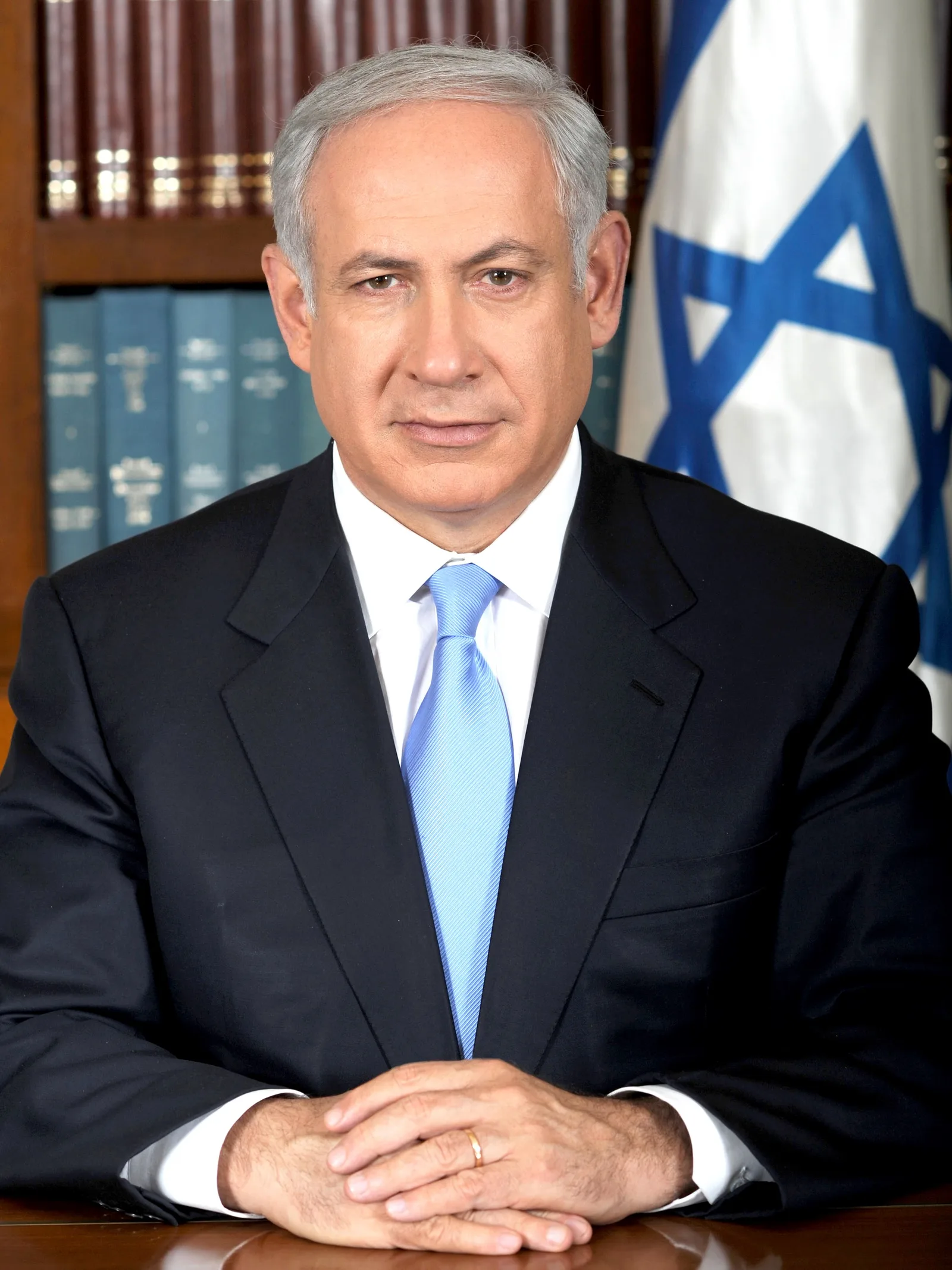 File photo
What happened
Key facts
- Egyptian President Abdel Fattah el-Sisi said Prime Minister Benjamin Netanyahu asked why Egypt was arming itself (per worldisraelnews.com, jfeed.com).
- El-Sisi said he told Netanyahu that he had never viewed Israel’s strength as a threat to Egypt (per worldisraelnews.com, The Jerusalem Post, jfeed.com).
- El-Sisi said he urged Netanyahu to accept a Palestinian state beginning in 2013 (per worldisraelnews.com).
- El-Sisi said he urged Netanyahu to accept a Palestinian state at every meeting between the two leaders since 2014 (per jfeed.com).
- El-Sisi said Egypt had no agenda for war and that the peace agreement with Israel held as long as their borders remained quiet and secure (per jfeed.com, worldisraelnews.com).
- Egypt has more than 1.2 million personnel across active troops, reservists and internal security forces, about 3,620 tanks and nearly 1,100 aircraft (per jfeed.com).
The brief
Egyptian President Abdel Fattah el-Sisi said Prime Minister Benjamin Netanyahu questioned why Egypt was arming itself, describing a conversation about Egypt’s military buildup and relations with Israel. The account comes from el-Sisi’s remarks; the reported exchange has not been independently verified, according to JFeed, which said it had not been reported by another outlet.
El-Sisi said he had never regarded Israel’s strength as a threat to Egypt and argued that Netanyahu should extend Egypt the same trust. In a separate statement reported by JFeed, el-Sisi said Egypt had no agenda for war and that the peace agreement with Israel held while their borders remained quiet and secure.
These are el-Sisi’s characterizations of Egypt’s position, not independent assessments of the countries’ military intentions or the state of border security. The accounts differ on when el-Sisi began pressing Netanyahu to accept Palestinian statehood.
World Israel News reported that el-Sisi said he had made the case since 2013; JFeed said he raised it at every meeting between the two leaders since 2014. The discrepancy concerns the starting point and frequency of his appeals, not the broader claim that he urged Netanyahu to accept a Palestinian state. El-Sisi linked Palestinian statehood to a wider political outcome.
World Israel News reported that he argued it would bring regional stability and create a path for Israel’s full integration into the Middle East. That account also said el-Sisi was not convinced by Netanyahu’s position, but the excerpt does not make clear what specific proposition Netanyahu had rejected or how he responded to the statehood appeal.
The military scale cited by JFeed adds context to the exchange without resolving what prompted Netanyahu’s question. The outlet cited Global Firepower’s 2026 ranking, which places Egypt’s military 19th worldwide, and described a force comprising more than 1.2 million active troops, reservists and internal security personnel, about 3,620 tanks and nearly 1,100 aircraft.
Those figures describe different categories of personnel and equipment; they do not establish the purpose of Egypt’s arms purchases or the meaning Netanyahu attached to them.
Business Insider’s headline also described Netanyahu as asking why Egypt continued buying weapons despite the peace agreement, while The Jerusalem Post’s headline framed the story around el-Sisi’s assertion that Egypt would never pose a threat. The excerpts from World Israel News and JFeed focus more narrowly on the reported question and el-Sisi’s comments.
Across these accounts, the central claim is el-Sisi’s recollection; none provides a direct statement from Netanyahu about the exchange. The immediate issue raised by the remarks is whether the two leaders’ accounts of military trust and Palestinian statehood can be reconciled in their public messaging.
El-Sisi’s appeal for a Palestinian state and Netanyahu’s reported concern about Egypt’s arms buildup appear together in his account, but the sources do not establish that one caused the other or document a specific policy decision following the exchange.
Why it matters
- Egypt’s military scale is part of the reported exchange: JFeed cites more than 1.2 million personnel, about 3,620 tanks and nearly 1,100 aircraft, while el-Sisi says Egypt has no agenda for war.
- The peace agreement and border security are concrete stakes in el-Sisi’s account; he said the agreement held as long as the borders remained quiet and secure.
- El-Sisi’s stated political interest is Palestinian statehood, which he said could support regional stability and Israel’s integration into the Middle East.
- The differing 2013 and 2014 starting points matter to how long el-Sisi says he has pressed Netanyahu on Palestinian statehood.
What to watch next
- Whether Netanyahu publicly addresses el-Sisi’s account of the question about Egypt’s arms buildup.
- Whether el-Sisi continues to press Netanyahu to accept a Palestinian state, as both accounts say he has done.
- Whether either leader makes a specific policy statement about the peace agreement or the security of the Egypt-Israel borders.
- Whether future public accounts clarify whether el-Sisi’s statehood appeals began in 2013 or 2014.
How it's being covered
Coverage analysisShow details5 source articles · 4 unique outletsCoverage mix: Mostly Right· 1 Center · 2 RightWhere the outlets are based: Middle East 75% · US/Canada 25%
- Coverage is currently concentrated among outlets based in Middle East (3 of 4 geographically-identified sources).
How outlets' accounts compare
1 factual disagreement · 2 framing differences · 2 uncorroborated claims · 6 information gaps- World Israel News places the beginning of el-Sisi’s statehood appeals in 2013, while JFeed says he raised the issue at every meeting since 2014.
- World Israel News emphasizes el-Sisi’s claim that Palestinian statehood could support regional stability and Israel’s integration into the Middle East; JFeed foregrounds his account of the arms question and his stated position on war and border security.
- Business Insider’s headline frames the question as being about Egypt continuing to buy weapons despite peace with Israel; The Jerusalem Post’s headline emphasizes el-Sisi’s assertion that Egypt would not pose a threat.
- El-Sisi said Egypt had no agenda for war and linked the continued peace agreement with Israel to quiet and secure borders.
- El-Sisi said he did not view Israel’s strength as a threat to Egypt.
- The reported question and the account of el-Sisi’s replies are attributed to el-Sisi; no source provides Netanyahu’s version.
- The sources do not provide Netanyahu’s account of the conversation or a direct explanation from him for asking about Egypt’s arms purchases.
- The sources do not identify specific weapons purchases, their timing, or their stated purpose.
- The sources provide no civilian casualty figures or specific material effects connected to the reported exchange.
- The sources do not cite a court, UN body or other accountability process relevant to the reported discussion.
- JFeed says the account has not been independently verified and had not been reported by another outlet; the other supplied excerpts do not provide independent confirmation or a direct account from Netanyahu.
Timeline
Developments from this story's sources, dated background we compiled and fact-checked, and our earlier coverage. Each row says which.- The treaty followed the Camp David Accords, signed by Egyptian President Anwar Sadat and Israeli Prime Minister Menachem Begin on September 17, 1978, after US President Jimmy Carter hosted negotiations.Background · from our historical context
- These unresolved questions formed the diplomatic setting for Sisi’s statehood appeals beginning in 2013.Background · from our historical context
How we got here
The immediate diplomatic backdrop dates to 2013, when Abdel Fattah el-Sisi, then Egypt’s defense minister, said he urged Benjamin Netanyahu to accept Palestinian statehood; after Sisi became president in 2014, he said he raised the proposal at meetings with the Israeli prime minister.
Their discussions took place under the 1979 Egypt–Israel peace treaty, which ended the formal state of war between the two countries and set limits on military deployments in parts of the Sinai Peninsula.
Original sources
4 of 5 articles · Middle East · Show allEvery story links to the reporting it was built from. How we choose sources
Spotted a factual error, a broken link or a misleading summary? Tell us.