
European gas prices hit four-year high as Hormuz LNG flows remain disrupted
European wholesale gas prices climbed to their highest level since December 2022 on Monday, with Dutch and British benchmarks rising as forecasts turned colder and LNG shipping through the Strait of Hormuz remained disrupted. EU gas storage was about 74.6% full, while Rystad analysts estimated Europe’s 2026 LNG bill could rise by at least $12 billion.
AI-assisted synthesis · Based on 5 outlets' reporting · Article text read from 3 of 5 outletsHow it's made
View timeline · 10 entries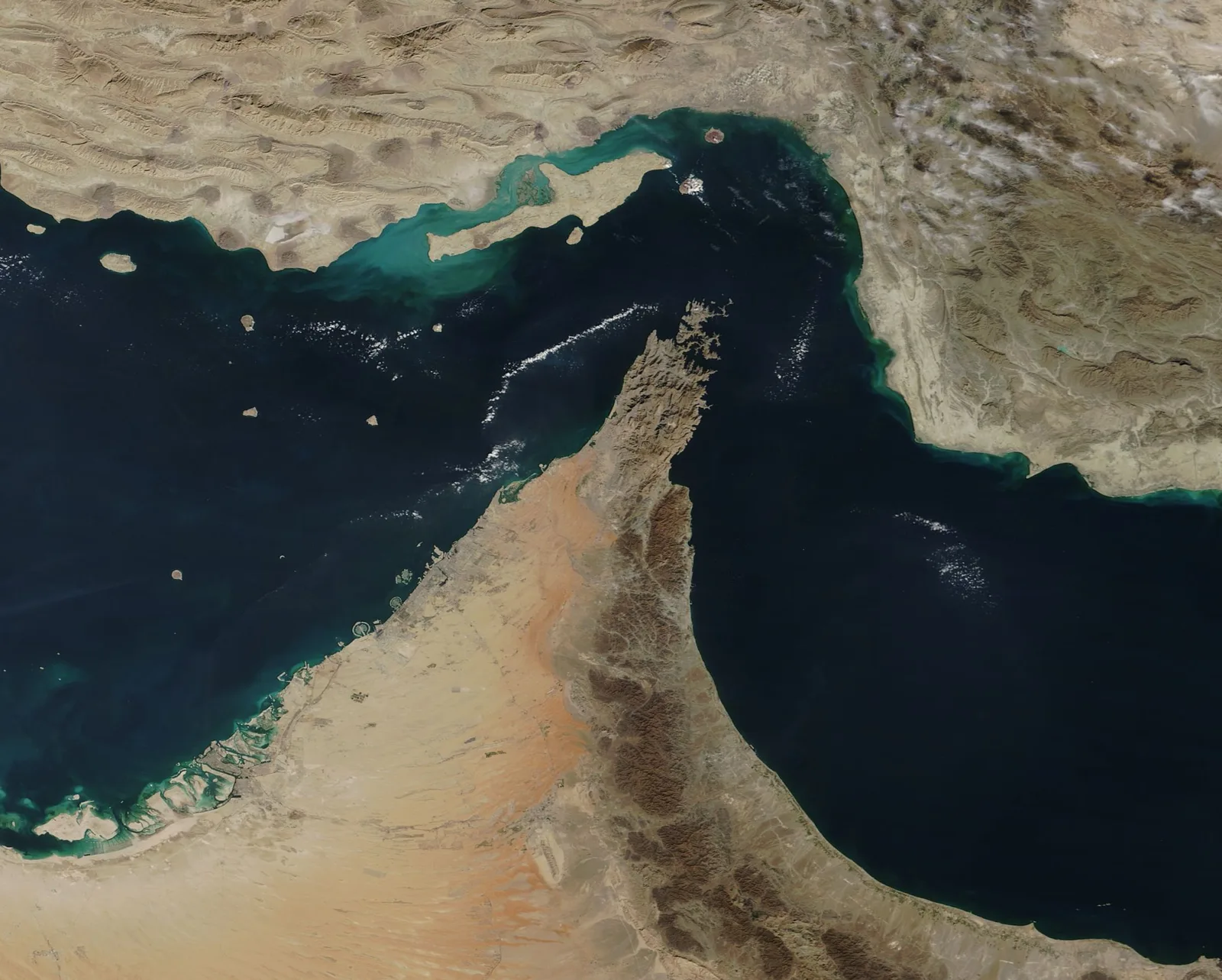 File photo
What happened
Key facts
- European gas prices reached their highest level since December 2022, a four-year high, on Monday (per dailysabah.com, rt-english.com, pgjonline.com).
- The UK month-ahead gas contract rose 4% to its highest level since December 2022 (per rt-english.com, pgjonline.com, dailysabah.com).
The brief
European wholesale gas prices climbed to their highest level since December 2022 on Monday, as colder weather forecasts and disrupted liquefied natural gas shipments through the Strait of Hormuz tightened concern over supply. The Dutch TTF front-month contract rose €3.54 to €97.39 per megawatt-hour by 0856 GMT, according to ICE data cited by P&GJ.
Daily Sabah described European prices as just below €100 per megawatt-hour, while RT English said prices briefly passed €97. Those reports place the market at a four-year high. The UK month-ahead gas contract rose 4% to its highest level since December 2022, according to RT English and P&GJ.
RT English also reported that Brent crude, after reaching $117 a barrel the previous week, had eased to around $115. The gas and oil price movements are distinct indicators; the sources do not give a direct measure of how the oil price shift affected European gas costs. The outlets connect the gas rise to the war involving Iran and reduced LNG shipping through Hormuz.
P&GJ described the shipping disruption as stemming from the U.S.-Iran war and cited colder weather forecasts, while RT English situated the price increase amid the war in Iran and the EU’s push to phase out Russian energy supplies. RT English’s account also says some EU countries had begun drawing on stored gas as temperatures fell.
The sources do not quantify the current volume of LNG shipments through the strait. EU storage stood at 74.6% of capacity in Daily Sabah’s account and 74.62% as of October 25 in RT English’s. Daily Sabah said the level was below historical seasonal averages; RT English likewise characterized it as below seasonal averages.
Germany had been working for weeks to increase reserves, Daily Sabah reported. The two storage figures are close but refer to differently described reporting times.
The price increase is already reflected in household costs in one German state: Daily Sabah cited a Verivox analysis saying gas for private households in Baden-Württemberg had become 22% more expensive over the previous 12 months.
RT English separately reported an EDF forecast that British households could face a 27% rise in energy bills in January, taking the average annual dual-fuel bill to nearly £2,200. That is a forecast, not a reported price change already experienced by households. The potential cost to Europe’s LNG buyers extends beyond the immediate market movement.
Rystad analysts said Europe’s LNG bill for 2026 could rise by at least $12 billion, or 18%, even if demand falls by 24 million tonnes. International Energy Agency head Fatih Birol said Monday that energy markets would remain tighter than pre-war levels in 2027. These are projections and an attributed assessment, rather than confirmed future costs or supply levels.
The coverage emphasizes different parts of the price picture: Daily Sabah highlights the near-€100 price, household increases in Baden-Württemberg and Germany’s reserve effort; RT English adds the UK contract, oil prices, an EDF household-bill forecast and the EU’s Russian-energy phaseout; P&GJ gives the Dutch contract’s precise trading figure and the Rystad estimate.
AzerNews’s headline also reports a high since December 2022, while the Inkl headline reports October Strait of Hormuz incidents involving supertankers without establishing a connection to the gas-price figures.
Why it matters
- EU gas storage was around 74.6% full, and some EU countries were drawing on stored gas as temperatures fell, leaving less stored supply available for later use.
- Households in Baden-Württemberg faced a reported 22% increase in gas costs over 12 months; an EDF forecast separately projected a 27% increase in British household energy bills in January.
- Rystad analysts estimated Europe’s 2026 LNG bill could rise by at least $12 billion, or 18%, even with demand falling by 24 million tonnes.
- Germany’s documented interest in increasing reserves and the EU’s stated push to phase out Russian energy supplies form part of the supply backdrop; the sources do not establish either as the cause of the Hormuz disruption.
What to watch next
- Whether EU gas storage continues to decline from the reported 74.6%–74.62% level as some countries draw on reserves.
- Whether LNG shipping through the Strait of Hormuz resumes; P&GJ identifies the timing of a return to regular shipping as a market concern.
- Whether the Dutch TTF and UK month-ahead contracts move further from their reported highs since December 2022.
- Whether the EDF forecast of a 27% increase in British household energy bills in January is reflected in subsequent bills.
How it's being covered
Coverage analysisShow details6 source articles · 5 unique outletsOutlet political mix: Mostly Right· 1 Center · 2 Right · 2 unratedWhere the outlets are based: Unknown 40% · Europe 20% · Other 40%
How outlets' accounts compare
2 framing differences · 2 uncorroborated claims · 2 information gaps- Daily Sabah focuses on prices just below €100 per megawatt-hour, household gas costs in Baden-Württemberg and Germany’s reserve-building effort; RT English adds the UK gas contract, Brent crude, an EDF household-bill forecast and the EU’s push to phase out Russian energy supplies.
- P&GJ foregrounds the Dutch TTF contract’s precise trading price, colder forecasts and Rystad’s projected LNG bill; RT English describes wholesale prices briefly exceeding €97.
- Rystad analysts said Europe’s LNG bill could increase by at least $12 billion, or 18%, even as demand falls by 24 million tonnes.
- International Energy Agency head Fatih Birol said energy markets would remain tighter than pre-war levels in 2027.
- The sources do not give a detailed account of the events that disrupted LNG shipping through the Strait of Hormuz.
- The reports do not establish the current volume of LNG shipments through the Strait of Hormuz.
Timeline
Developments from this story's sources, dated background we compiled and fact-checked, and our earlier coverage. Each row says which.- In 1953, a CIA- and MI6-backed coup overthrew Iranian Prime Minister Mohammad Mosaddegh and restored Shah Mohammad Reza Pahlavi’s authority.Background · from our historical context
- During the Iran-Iraq War, the United States backed Iraq; Hezbollah was founded in Lebanon in 1982, becoming part of Iran’s regional network.Background · from our historical context
- Iran and Iraq began attacking commercial shipping in the Persian Gulf during the Tanker War.Background · compiled and fact-checked by Updat3
- The U.S. Navy launched Operation Praying Mantis, striking Iranian naval forces and installations after a U.S. ship hit an Iranian mine.Background · compiled and fact-checked by Updat3
- Europe’s last comparable gas-market shock followed Russia’s full-scale invasion of Ukraine on February 24, 2022, and the sharp reduction in Russian pipeline deliveries to Europe that followed.Background · from our historical context
- The European Commission published its REPowerEU plan to reduce dependence on Russian fossil fuels.Background · compiled and fact-checked by Updat3
- The United States and Israel launched coordinated strikes across Iran.Background · compiled and fact-checked by Updat3
- Iran announced that vessels passing through the Strait of Hormuz would need prior authorization from the IRGC Navy.Background · compiled and fact-checked by Updat3
- The United States and Iran signed a memorandum of understanding concerning freedom of navigation in the Strait of Hormuz; implementation later stalled over security disagreements.Background · compiled and fact-checked by Updat3
- Iran presented a proposal to reopen the Strait of Hormuz after an interim ceasefire collapsed.Background · compiled and fact-checked by Updat3
How we got here
Europe’s last comparable gas-market shock followed Russia’s full-scale invasion of Ukraine on February 24, 2022, and the sharp reduction in Russian pipeline deliveries to Europe that followed.
In August 2022, the Dutch Title Transfer Facility benchmark reached a record near € an megawatt-hour, as buyers competed for replacement supplies; the EU’s REPowerEU plan, published May 18, 2022, set out measures to reduce dependence on Russian fossil fuels. Those changes made liquefied natural gas (LNG) a more important part of Europe’s supply mix.
Original sources
2 of 6 articles · Middle East · Show allEvery story links to the reporting it was built from. How we choose sources
Spotted a factual error, a broken link or a misleading summary? Tell us.