
Genocide accusations against Israel are 'despicable lie,' Knesset Speaker Ohana says
Ohana’s remarks reject allegations still under international legal review. The International Court of Justice has ordered Israel to take preventive and humanitarian measures, but has not ruled that genocide occurred.
AI-assisted synthesis · Based on 3 outlets' reporting · Full text read from 1 of 3 outletsHow it's made
View timeline · 8 entries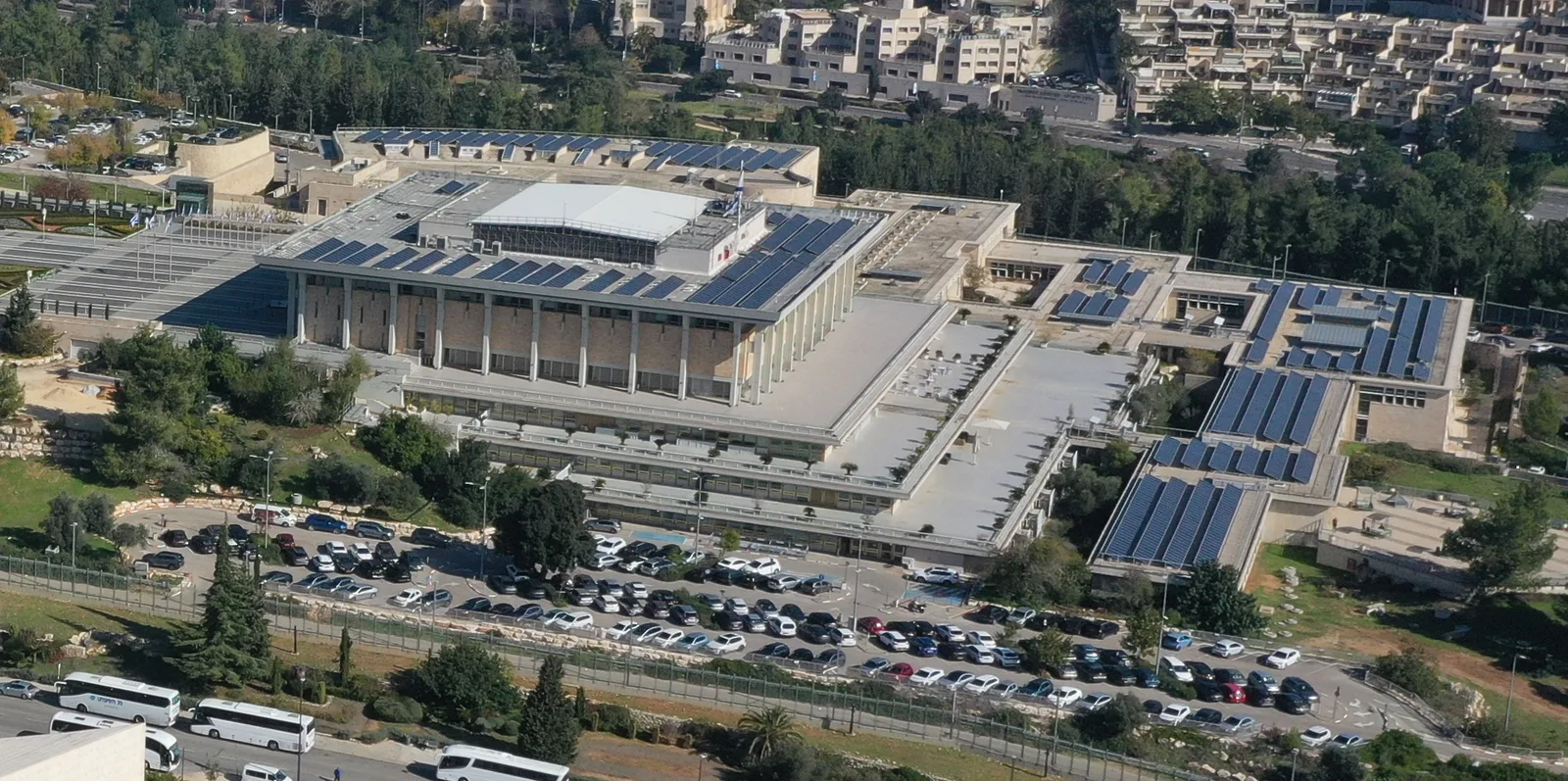 File photo
What happened
Key facts
- Knesset Speaker Ohana rejected genocide accusations against Israel (per The Jerusalem Post, The Times of Israel, jns.org).
- Ohana called the accusations a “despicable lie.” (per The Jerusalem Post).
- Ohana said that during the Hamas-led October 7, 2023 massacre, there were no civilian casualties (per jns.org).
- Ohana said that more than 1,200 people were killed during the Palestinian invasion from Gaza (per jns.org).
The brief
Knesset Speaker Ohana rejected accusations of genocide against Israel, describing them as a “despicable lie,” according to The Jerusalem Post. The Times of Israel’s headline also says Ohana rejected a genocide charge in an address to European leaders and that he received applause. The Jerusalem Post excerpt does not identify the audience for Ohana’s remarks or mention applause.
The Jerusalem Post reported that Ohana referred to a recently released documentary. The documentary accused Israeli authorities of indifference to civilian deaths during the war against Hamas in Gaza.
The excerpt does not establish whether the accusations in the documentary and the genocide accusations Ohana rejected were the same claim; it presents them as related points in his remarks. In discussing the Hamas-led October 7, 2023, massacre, Ohana said there had been no civilian casualties that day.
He referred to a documentary in making that point, according to The Jerusalem Post. The excerpt also says Ohana called the event the deadliest day for Jews since the Holocaust, but it does not provide a separate source for that characterization.
The Jerusalem Post says Ohana described the Palestinian invasion from Gaza as an event in which terrorists killed more than 1,200 people. It also quotes him saying, “They were the targets,” referring to those killed. The excerpt does not give a breakdown of those killed or specify further what Ohana meant by the remark.
The remarks took place during an event whose program listed threats to democracy, artificial intelligence and the international rules-based order as its three themes. The program covered October 15-16. The Jerusalem Post excerpt does not state the event’s name or venue.
The Times of Israel’s headline characterizes Ohana’s remarks as an address to European leaders and says they drew applause. Those details are stated in that headline; the Jerusalem Post excerpt does not include them.
The headline from The Jerusalem Post and the excerpt both identify Ohana’s rejection of genocide accusations as the central point, while the excerpt supplies the remarks about the documentary and October 7.
Why it matters
- Ohana’s remarks directly address genocide accusations against Israel and a documentary accusing Israeli authorities of indifference to civilian deaths in the war against Hamas in Gaza.
- Ohana’s comments about October 7 concern people killed in the Hamas-led massacre; The Jerusalem Post excerpt gives a figure of more than 1,200 but no civilian-casualty breakdown.
- The event program placed the remarks within a gathering focused on threats to democracy, artificial intelligence and the international rules-based order.
What to watch next
- Whether Ohana makes further public statements addressing the genocide accusations against Israel.
- Whether the documentary’s accusations or Ohana’s characterization of them receive further public responses.
- Whether the event’s remaining program on October 15-16 includes further remarks on its three listed themes.
How it's being covered
Coverage analysisShow details3 source articles · 3 unique outletsCoverage mix: Mostly Right· 1 Center · 2 RightWhere the outlets are based: Middle East 67% · US/Canada 33%
How outlets' accounts compare
Timeline
Developments from this story's sources, dated background we compiled and fact-checked, and our earlier coverage. Each row says which.- Israel became a party in 1950, and South Africa brought its ICJ case under that treaty.Background · from our historical context
- Israel captured Gaza, the West Bank and East Jerusalem in the June 1967 Six-Day War.Background · from our historical context
- Israel withdrew its settlers and permanent ground forces from Gaza in 2005.Background · from our historical context
- The present conditions in Gaza also reflect events predating October 2023.Background · from our historical context
- These developments formed part of the background to the October 2023 attack and the subsequent legal proceedings.Background · from our historical context
- Those orders followed the Hamas-led attack of October 7, 2023, and Israel’s ensuing military campaign in Gaza.Background · from our historical context
- On January 26, 2024, the court ordered Israel to take measures to prevent acts prohibited by the convention and to enable humanitarian assistance in Gaza; it did not rule that genocide had occurred.Background · from our historical context
- The UN Independent International Commission of Inquiry reported in June 2024 that members of those groups committed war crimes, including intentionally directing attacks against civilians and taking hostages.Background · from our historical context
How we got here
The legal dispute over genocide accusations against Israel entered the International Court of Justice (ICJ) on December 29, 2023, when South Africa filed a case under the 1948 Genocide Convention.
On January 26, 2024, the court ordered Israel to take measures to prevent acts prohibited by the convention and to enable humanitarian assistance in Gaza; it did not rule that genocide had occurred. The ICJ issued further provisional-measures orders on March 28 and May 24, 2024, while the case proceeded.
Original sources
2 of 3 articles · Middle East · Show allEvery story links to the reporting it was built from. How we choose sources
Spotted a factual error, a broken link or a misleading summary? Tell us.