
Iran's Revolutionary Guards say three oil tankers hit mines in Strait of Hormuz
Iran's Revolutionary Guards said three oil tankers struck naval mines while attempting to cross an unauthorized route south of the Strait of Hormuz. The Guards said the vessels caught fire and had been abandoned along the strait's southern shores.
AI-assisted synthesis · Based on 5 independent reports from 6 outlets · Article text read from 1 of 5 reportsHow it's made
View timeline · 14 entries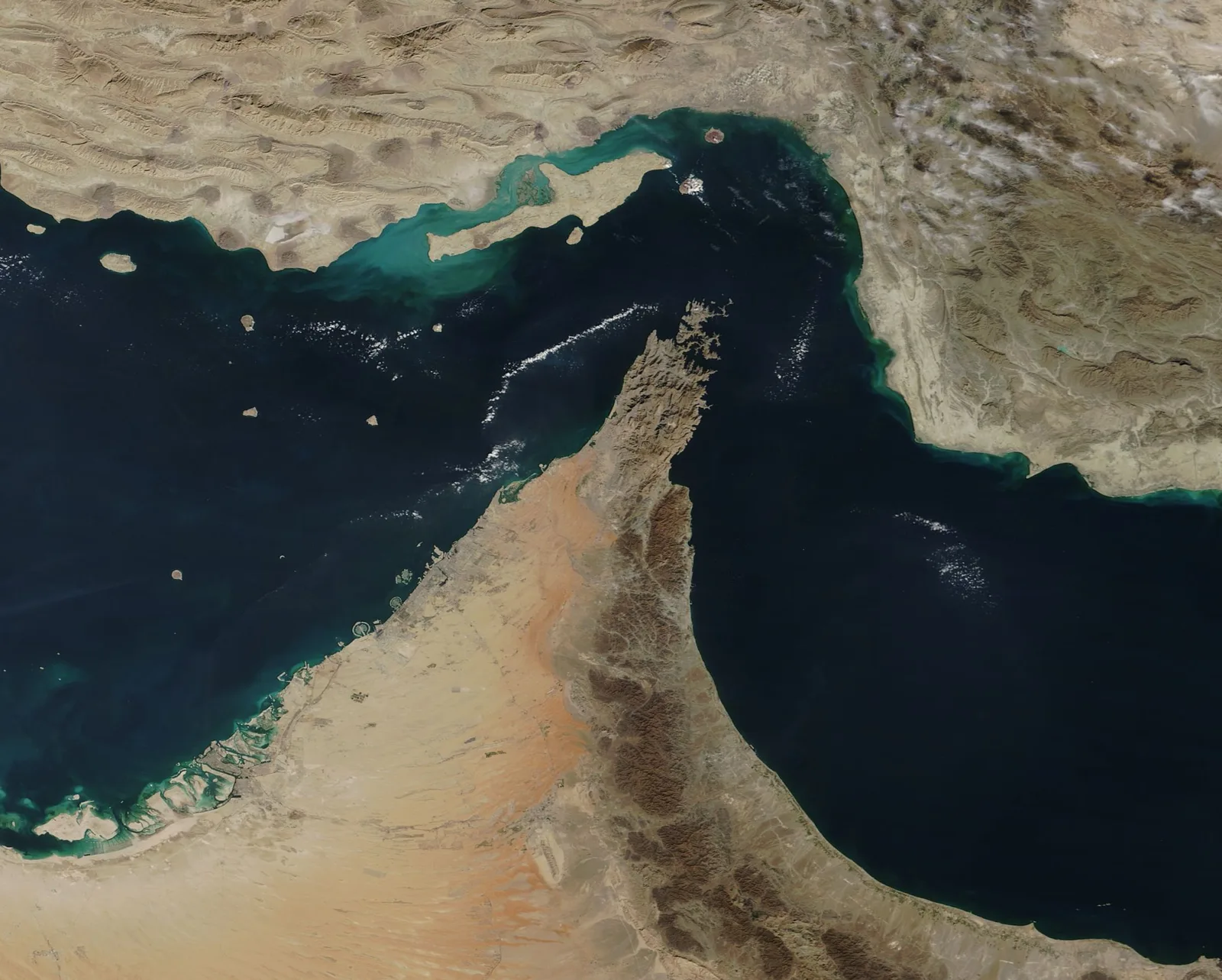 File photo
What happened
The brief
Iran's Revolutionary Guards said three oil tankers struck naval mines and caught fire while attempting to cross an unauthorized route south of the Strait of Hormuz. The Guards said the incidents took place over the past 24 hours. The account was carried by state media, according to LBC Group.
The Guards said the vessels had switched off their radar and navigation systems as they attempted the crossing. It also said they ignored warnings from the Revolutionary Guards' navy. These details describe the Guards' account of the vessels' conduct; LBC Group's report attributes the claims to the statement rather than presenting them as independently established findings.
The reported number of vessels was three. The New Indian Express and mbiz.heraldcorp.com headlines also say three tankers caught fire, while the Middle East Eye and Arab News headlines report the Guards' claim that three oil tankers were hit by mines. Those headlines do not provide the route, the reported disabling of navigation systems or the account of warnings.
The Revolutionary Guards' navy said the vessels had been abandoned along the southern shores of the strait. LBC Group's account does not identify who abandoned them or state what happened to the crews. It reports fires but provides no casualty figure or further account of damage.
The central account therefore combines a claim about the cause of the fires—the tankers striking naval mines—with details the Guards gave about the attempted passage and prior warnings. The article does not name the tankers, identify their owners or flags, or specify the precise timing within the stated 24-hour period.
The next concrete detail in the account is the reported location of the vessels after they were abandoned: the southern shores of the strait. No further action by the Revolutionary Guards' navy or other parties is described.
Why it matters
- The Guards' account places three burning oil tankers and abandoned vessels along the southern shores of the Strait of Hormuz.
- The alleged mechanism was naval mines encountered while the tankers attempted to use an unauthorized route south of the strait.
- The account says the tankers switched off radar and navigation systems and ignored warnings from the Revolutionary Guards' navy.
What to watch next
- Whether the Revolutionary Guards' navy provides further information about the vessels it said were abandoned along the strait's southern shores.
- Whether the Guards provide more detail about the alleged mine strikes and fires involving the three tankers.
- Whether further information identifies the tankers, their owners or flags, or the condition of their crews.
How it's being covered
Coverage analysisShow details6 source articles · 6 unique outlets · 5 distinct reportsOutlet political mix: Mostly Center· 1 Left · 2 Center · 3 unratedWhere the outlets are based: Middle East 50% · Asia 33% · Other 17%
How outlets' accounts compare
Timeline
Developments from this story's sources, dated background we compiled and fact-checked, and our earlier coverage. Each row says which.- Iran established the Islamic Revolutionary Guard Corps.Background · compiled and fact-checked by Updat3
- Its rules on transit passage provide for ships to navigate international straits, while Iran signed the convention in 1982 but has not ratified it.Background · from our historical context
- The strait’s legal framework rests partly on the United Nations Convention on the Law of the Sea, adopted on December 10, 1982.Background · from our historical context
- From 1984, both countries attacked commercial vessels and oil facilities in what became known as the Tanker War.Background · from our historical context
- In 1987, the United States began escorting reflagged Kuwaiti tankers through the Gulf under Operation Earnest Will.Background · from our historical context
- Iran laid mines in Gulf waters during the conflict; in April 1988, a mine damaged the USS Samuel B. Roberts.Background · from our historical context
- The United States said its April 18, 1988, Operation Praying Mantis was a response to that attack; the operation struck Iranian naval targets.Background · from our historical context
- In 2019, attacks on commercial vessels again drew international attention to Gulf shipping.Background · from our historical context
- Two tankers were damaged in the Gulf of Oman; the United States blamed Iran, which denied involvement.Background · compiled and fact-checked by Updat3
- The US Energy Information Administration estimated that about one-fifth of global petroleum-liquids consumption passed through the strait in 2023.Background · from our historical context
- The immediate backdrop was the US-Israeli war with Iran, which began on February 28, 2026, when the two countries launched coordinated strikes on Iranian power plants, air defenses and military infrastructure.Background · from our historical context
- Iran announced that vessels passing through the Strait of Hormuz would need prior authorization from the IRGC Navy.Background · compiled and fact-checked by Updat3
- The United States and Iran signed a memorandum of understanding concerning freedom of navigation in the Strait of Hormuz; implementation later stalled over security disagreements.Background · compiled and fact-checked by Updat3
- Iran presented a proposal to reopen the Strait of Hormuz after an interim ceasefire collapsed.Background · compiled and fact-checked by Updat3
How we got here
The immediate backdrop was the US-Israeli war with Iran, which began on February 28, 2026, when the two countries launched coordinated strikes on Iranian power plants, air defenses and military infrastructure. The US Energy Information Administration estimated that about one-fifth of global petroleum-liquids consumption passed through the strait in 2023.
The strait’s legal framework rests partly on the United Nations Convention on the Law of the Sea, adopted on December 10, 1982. Its rules on transit passage provide for ships to navigate international straits, while Iran signed the convention in 1982 but has not ratified it.
Original sources
3 of 6 articles · Middle East · Show allEvery story links to the reporting it was built from. How we choose sources
Spotted a factual error, a broken link or a misleading summary? Tell us.