
Netanyahu and Eisenkot each vow to build Israel’s next government
Benjamin Netanyahu and Gadi Eisenkot are both seeking to lead Israel’s next government, setting up a contest over who can assemble enough Knesset support to govern.
AI-assisted synthesis · Based on 6 independent reports from 7 outlets · Article text read from 2 of 6 reportsHow it's made
View timeline · 10 entries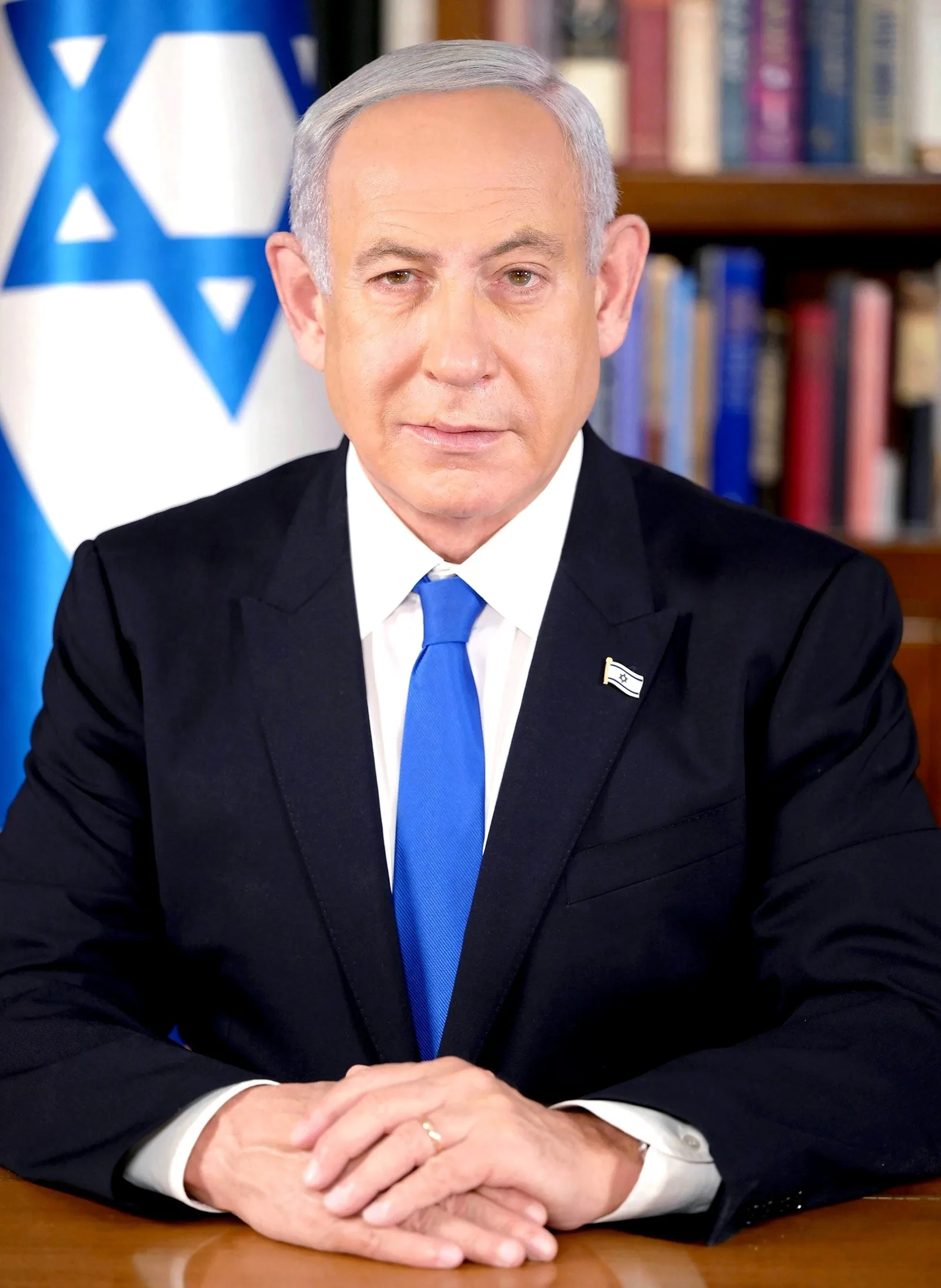 File photo
What happened
Key facts
- Eisenkot said he would do his utmost to form a Zionist government with national service for all (per The Times of Israel).
- Polymarket data showed nearly 60 per cent of bettors backing Gadi Eisenkot to become prime minister, compared with 27 per cent for Benjamin Netanyahu (per The Independent).
- The Independent said opinion polls suggested a close contest and neither Likud nor Eisenkot’s party was expected to win the 61 seats needed for a majority in the 120-seat Knesset (per The Independent).
- The Independent reported that JPMorgan said an opposition victory improving relations with Western allies and halting a judicial overhaul could strengthen the shekel, while another Netanyahu-led government could weaken it (per The Independent).
The brief
Benjamin Netanyahu and Gadi Eisenkot each pledged to form Israel’s next government, according to headlines from Modern Ghana, France 24 and the South China Morning Post. The contest remained unresolved in the South China Morning Post’s headline, which said the election had produced no clear winner.
Eisenkot’s own stated objective was more specific: a Times of Israel headline quoted him pledging to do his utmost to form a Zionist government with national service for all. WION identifies Netanyahu as the leader of Likud and Eisenkot as the leader of the centrist Yashar party.
The two are presented as rivals for leadership, but the available reporting does not establish the final seat count or which candidate can assemble a governing majority. The distinction matters: pledges to form a government are political positions, not evidence that either contender has secured the votes to do so.
The Independent’s account separates bettors’ expectations from its description of polling. It reports Polymarket data showing nearly 60 per cent of bettors backed Eisenkot to become prime minister, against 27 per cent for Netanyahu.
Separately, it says opinion polls pointed to a close contest and neither Likud nor Eisenkot’s party was expected to reach the 61 seats required for a majority in the 120-seat Knesset. These are forecasts, not reported election results. The outlet also describes a different indicator of the election’s stakes: market performance.
It says Tel Aviv Stock Exchange shares rose about 1 per cent in the final session before the vote, taking their year-to-date gain to about 12 per cent. It reports that since the October 7 Hamas attacks in 2023, the exchange had risen 130 per cent and the shekel had gained 25 per cent, outperforming the Wall Street index comparison cited in its account, which was up 80 per cent.
The Independent attributes a conditional currency outlook to JPMorgan. The bank said an opposition victory that improved relations with Western allies and stopped the judicial overhaul could strengthen the shekel; it said another Netanyahu-led government could weaken the currency.
The account links those possible effects to political direction, but neither outcome is presented as having occurred. WION places the contest alongside a policy divide over Palestinian statehood: it says the Knesset passed a resolution opposing statehood in July 2024, with support from parts of the opposition.
That background indicates that opposition support on this question has not necessarily been uniform. WION also connects the resolution’s ideas to a 1996 memorandum written for Netanyahu’s first term, but its excerpt does not provide further detail about how that history bears on the current government negotiations.
The immediate test is whether either leader can translate a pledge into a governing majority. The Independent’s account identifies the 61-seat threshold, while the South China Morning Post headline characterizes the election as producing no clear winner. The coverage therefore points to competing political claims and expectations, rather than a confirmed governing arrangement.
Why it matters
- Likud and Eisenkot’s party face the 61-seat threshold in the 120-seat Knesset; the Independent says neither was expected to reach it, making the ability to assemble a majority central to turning a pledge into a government.
- The Independent reports that nearly 60 per cent of Polymarket bettors favored Eisenkot, compared with 27 per cent for Netanyahu. Those figures show a difference in market expectations, not a count of parliamentary seats.
- Israeli investors have a documented financial stake: the Independent reports Tel Aviv shares rose about 1 per cent in the final session before the vote and were up about 12 per cent year to date.
- JPMorgan identified competing possible currency effects: it said improved ties with Western allies and a halt to the judicial overhaul under an opposition government could strengthen the shekel, while another Netanyahu-led government could weaken it.
What to watch next
- Whether Netanyahu or Eisenkot can assemble the 61 Knesset seats needed for a majority.
- Whether Eisenkot pursues the Zionist government with national service for all that he said he would try to form.
- Whether either contender’s pledge results in a governing arrangement, following the South China Morning Post headline’s description of no clear election winner.
- Whether the political outcome aligns with either of JPMorgan’s conditional shekel scenarios reported by the Independent.
How it's being covered
Coverage analysisShow details7 source articles · 7 unique outlets · 6 distinct reportsOutlet political mix: Mostly Center· 1 Left · 4 Center · 2 unratedWhere the outlets are based: Europe 29% · Middle East 29% · Other 42%
- Coverage is currently concentrated among Center-rated outlets (4 of 5 rated sources); comparatively few Right-rated outlets have published on the event.
How outlets' accounts compare
1 framing difference · 2 uncorroborated claims · 2 information gaps- The South China Morning Post headline characterizes the election as yielding no clear winner, while Al Jazeera’s headline says the Eisenkot bloc was ahead of the Netanyahu camp; the headlines frame the contest differently.
- The Times of Israel headline quotes Eisenkot saying he would do his utmost to form a Zionist government with national service for all.
- The Independent attributes conditional shekel forecasts to JPMorgan: an opposition victory with improved Western ties and an end to the judicial overhaul could strengthen the currency, while another Netanyahu-led government could weaken it.
- The sources do not give the election’s final results or the full process and timing for forming a government.
- The excerpts do not give a final seat count or establish which contender can form a government.
Timeline
Developments from this story's sources, dated background we compiled and fact-checked, and our earlier coverage. Each row says which.- Israel enacted the Basic Law: The Knesset, setting the parliament at 120 members.Background · compiled and fact-checked by Updat3
- Benjamin Netanyahu became prime minister after winning Israel’s first direct election for the office.Background · compiled and fact-checked by Updat3
- Benny Gantz, Gideon Sa'ar and Gadi Eisenkot formed the National Unity alliance.Background · compiled and fact-checked by Updat3
- Israel’s last general election, on November 1, 2022, gave Benjamin Netanyahu’s Likud 32 of the Knesset’s 120 seats; parties agreeing to join his coalition held 64 seats, above the 61 needed for a majority.Background · from our historical context
- Netanyahu returned as prime minister on December 29, 2022, at the head of a government that included religious and far-right parties.Background · from our historical context
- Benjamin Netanyahu’s government proposed changes to Israel’s judicial system.Background · compiled and fact-checked by Updat3
- On January 4, 2023, Justice Minister Yariv Levin announced a plan to change judicial appointments and limit the Supreme Court’s power to review legislation.Background · from our historical context
- On October 7, 2023, Hamas-led attackers killed about 1,200 people in Israel and took about 250 hostages, according to Israeli authorities.Background · from our historical context
- Gantz and Eisenkot joined an emergency unity government and war cabinet on October 11, 2023.Background · from our historical context
- Gantz left the government on June 9, 2024, and Eisenkot left with him.Background · from our historical context
How we got here
Israel’s last general election, on November 1, 2022, gave Benjamin Netanyahu’s Likud 32 of the Knesset’s 120 seats; parties agreeing to join his coalition held 64 seats, above the 61 needed for a majority. Netanyahu returned as prime minister on December 29, 2022, at the head of a government that included religious and far-right parties.
On January 4, 2023, Justice Minister Yariv Levin announced a plan to change judicial appointments and limit the Supreme Court’s power to review legislation. The proposals prompted mass demonstrations and a political dispute that became central to Netanyahu’s government.
Original sources
2 of 7 articles · Middle East · Show allEvery story links to the reporting it was built from. How we choose sources
Spotted a factual error, a broken link or a misleading summary? Tell us.