
Netanyahu's coalition and Israel's opposition are nearly tied
Tickernews.co says polls put Prime Minister Benjamin Netanyahu’s coalition and the opposition nearly level in Israel’s general election. The outlet also reports that around 500,000 first-time voters are joining the electorate, including 70,000 Israelis returning from abroad.
AI-assisted synthesis · Based on 5 outlets' reporting · Article text read from 1 of 5 outletsHow it's made
View timeline · 9 entries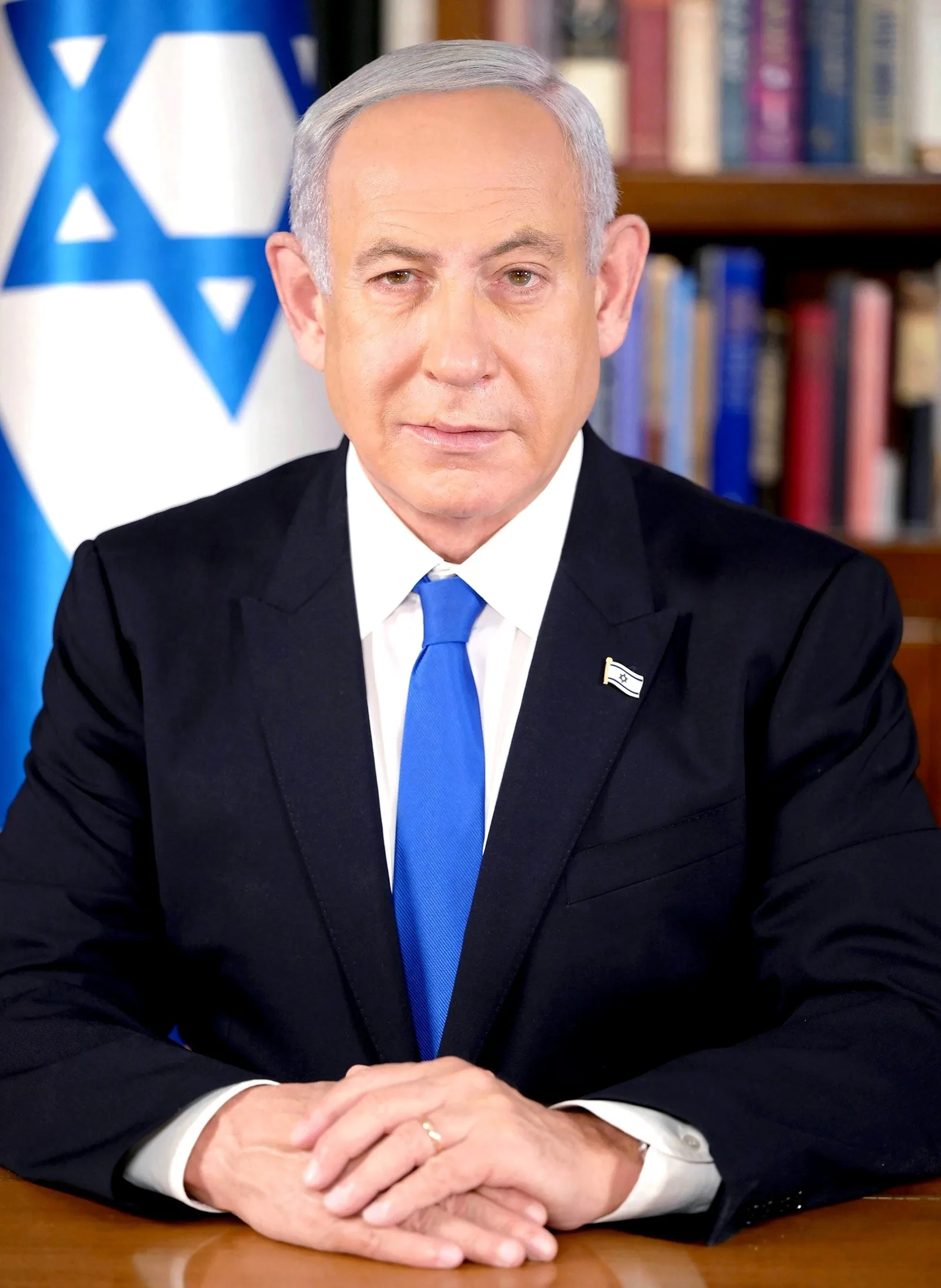 File photo
What happened
Key facts
- Israel is holding a general election, which the BBC describes as deadlocked and a sign of deep divisions in the country.
- Around 500,000 first-time voters are joining the electorate, including 70,000 Israelis returning from abroad (per tickernews.co).
- Eisenkot’s appeal is described as resting on his portrayal as an ordinary Israeli and his military history, including the death of his son during the Gaza war (per tickernews.co).
- Tickernews.co says the 7 October 2023 attack sharply changed public sentiment about security failures and increased Netanyahu’s importance as a protective leader (per tickernews.co).
The brief
Polls put Prime Minister Benjamin Netanyahu’s coalition and Israel’s opposition nearly level in a general election that the BBC describes as deadlocked and reflective of deep divisions. Tickernews.co reports that around 500,000 first-time voters are joining the electorate, including 70,000 Israelis returning from abroad.
The account offers no final vote result, but presents the close polling and new voters as key features of the contest. The campaign is being fought over competing claims about the country’s direction.
According to Tickernews.co, opposition parties accuse Netanyahu’s government of threatening democracy and failing to ensure accountability after the deadly attacks of 7 October 2023. These are the opposition parties’ criticisms, rather than an independent finding established in the account. Netanyahu’s campaign narrative, as described by Tickernews.co, centers on security.
He portrays the opposition as weak and warns against Arab collaboration. The outlet also says the 7 October attack sharply shifted public sentiment about security failures and increased Netanyahu’s importance as a protective leader. The account does not provide further detail on the security arguments or the criticism of accountability.
Eisenkot is another figure in the campaign. Tickernews.co says his appeal draws on his image as an ordinary Israeli and his military history, including the death of his son during the Gaza war. The outlet does not specify his electoral position or provide polling figures for him, so his role here is limited to the account’s description of his appeal.
The election’s near tie leaves the political outcome uncertain. The BBC headline asks how Israel could break the deadlock and points to four scenarios, while Ynetnews says another deadlock could be Israel’s worst outcome. Neither headline specifies which scenarios are under consideration or how the vote will translate into a governing arrangement.
Tickernews.co also cites threats from Iran and concerns about possible electoral disruption as factors in an unstable political landscape. It does not identify the nature of those threats or describe a specific disruption.
The election therefore brings together a close contest, sharply different campaign messages on security and democracy, and concern about whether the result will resolve the deadlock.
Why it matters
- The close polling between Netanyahu’s coalition and the opposition means the election is being contested amid the prospect of another deadlock, which the BBC and Ynetnews headlines identify as a central concern.
- Around 500,000 first-time voters, including 70,000 Israelis returning from abroad, are entering the electorate; Tickernews.co does not specify how they are likely to vote.
- Opposition parties’ criticism of Netanyahu’s government over democracy and accountability contrasts with his campaign’s emphasis on security and warning about Arab collaboration.
What to watch next
- Whether the nearly tied coalition and opposition produce a result that breaks the deadlock.
- The four scenarios the BBC headline says could break Israel’s election deadlock.
- Whether the election results in the further deadlock Ynetnews identifies as a possible outcome.
How it's being covered
Coverage analysisShow details5 source articles · 5 unique outletsOutlet political mix: Center Only· 3 Center · 2 unratedWhere the outlets are based: Europe 40% · Middle East 20% · Other 40%
- Coverage is currently concentrated among Center-rated outlets (3 of 3 rated sources); comparatively few Left or Right-rated outlets have published on the event.
How outlets' accounts compare
Timeline
Developments from this story's sources, dated background we compiled and fact-checked, and our earlier coverage. Each row says which.- Israel held its first election for the Constituent Assembly, which later became the Knesset.Background · compiled and fact-checked by Updat3
- Israel occupied the West Bank, East Jerusalem and Gaza after the June 1967 war; settlement construction in the occupied territories continued thereafter.Background · from our historical context
- Benjamin Netanyahu became prime minister after winning Israel’s first direct election for the office.Background · compiled and fact-checked by Updat3
- Naftali Bennett became prime minister after the Knesset approved a coalition government led by him and Yair Lapid.Background · compiled and fact-checked by Updat3
- Israel’s previous general election was held on November 1, 2022, after the governing coalition led by Naftali Bennett and Yair Lapid lost its parliamentary majority.Background · from our historical context
- Benjamin Netanyahu’s Likud won the most seats, and on December 29, 2022, he returned as prime minister at the head of a coalition that included religious and ultranationalist parties.Background · from our historical context
- Benjamin Netanyahu’s government proposed changes to Israel’s judicial system.Background · compiled and fact-checked by Updat3
- On October 7, 2023, Hamas-led attackers killed about 1,200 people in Israel and took about 250 hostages.Background · from our historical context
- Yechiel Leiter told CNN that Benjamin Netanyahu was interested in forming a broader coalition after the next election.Background · compiled and fact-checked by Updat3
How we got here
Israel’s previous general election was held on November 1, 2022, after the governing coalition led by Naftali Bennett and Yair Lapid lost its parliamentary majority. Benjamin Netanyahu’s Likud won the most seats, and on December 29, 2022, he returned as prime minister at the head of a coalition that included religious and ultranationalist parties.
The 2022 vote followed a period of repeated elections: Israelis had voted four times between April 2019 and March 2021, amid disputes over Netanyahu’s leadership and the formation of governing coalitions. In June 2021, Bennett and Lapid formed a coalition that included parties from across the political spectrum; it collapsed in 2022.
Original sources
1 of 5 articles · Middle East · Show allEvery story links to the reporting it was built from. How we choose sources
Spotted a factual error, a broken link or a misleading summary? Tell us.