
Kamala Harris says Biden and Trump failed to use U.S. leverage to curb Israel’s conduct in Gaza
Kamala Harris publicly criticized the Biden and Trump administrations for failing to use U.S. leverage to curtail the Israeli government's conduct in the war in Gaza. Her remarks said the current U.S. administration gives Israeli Prime Minister Benjamin Netanyahu a "blank check" and that the U.S. should have acted "sooner and more forcefully."
AI-assisted synthesis · Based on 6 outlets' reporting · Full text read from 2 of 6 outletsHow it's made
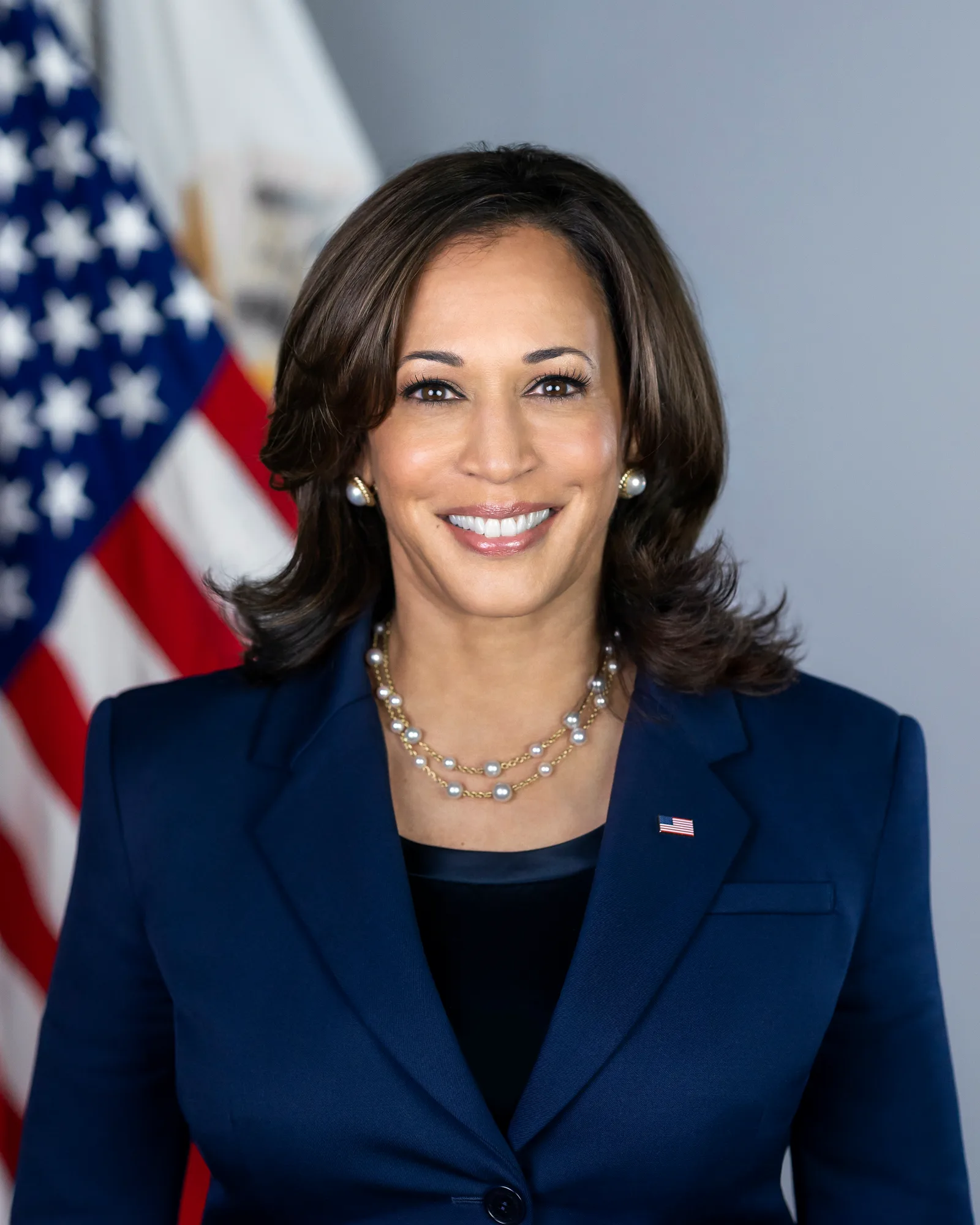 File photo
What happened
Key facts
- Harris said the current administration offers Israeli Prime Minister Benjamin Netanyahu a "blank check." (per New York Post, worldisraelnews.com).
- Harris said the United States should have acted "sooner and more forcefully" than it did prior to the current administration (per worldisraelnews.com, New York Post).
- worldisraelnews.com reported Harris made these remarks while speaking about her presidential campaign and new book, '107 Days,' at Town Hall in New York on Wednesday, Sept. 24, 2025 (per worldisraelnews.com).
- New York Post reported Harris made the remarks while speaking at the Asan Institute for Policy Studies in Seoul, South Korea (per New York Post).
- New York Post said the Republican Jewish Coalition called Harris's remarks "unsurprising," citing her absence from Benjamin Netanyahu's 2024 address to Congress and her opposition to legislation targeting the boycott, divestment and sanctions movement (per New York Post).
- Multiple other outlets' headlines reported that Kamala Harris criticised the Biden administration's failure to curb Israel's conduct during the Gaza war (per The Jerusalem Post, t.co, Haaretz).
The brief
Kamala Harris has publicly accused both the Biden and Trump administrations of failing to use U.S. leverage to curb the Israeli government's conduct in the war in Gaza.
Harris said the current U.S. administration effectively gives Israeli Prime Minister Benjamin Netanyahu a "blank check," and she added that the United States should have acted "sooner and more forcefully" prior to the current administration.
The criticism appears in reporting from two outlets that place the remarks in different settings: one account ties the comments to a New York book event linked to her campaign memoir, and another says she made the remarks while speaking at the Asan Institute for Policy Studies in Seoul.
Both outlets quote the same central claim that U.S. administrations did not use leverage to restrain Israel's Gaza campaign.
Harris's comments drew a reaction from the Republican Jewish Coalition, which called the remarks "unsurprising" and cited her past positions, including an absence from Prime Minister Benjamin Netanyahu's 2024 address to Congress and opposition to legislation aimed at the boycott, divestment and sanctions movement, as reasons for its critique.
One outlet reported the coalition also criticised Harris's call for a halt to Israeli operations in Rafah and noted that the Israel Defense Forces later found and rescued hostages in Rafah; that sequence is reported as part of the coalition's statement in that article.
The two primary sources differ on where Harris made the remarks: one places them at a Town Hall event in New York linked to her book tour on Sept. 24, 2025, while the other reports the remarks came at a speech in Seoul, South Korea.
Both sources use strong language quoted from Harris, including her description of Israeli conduct as "horrific," and they convey that she holds both recent and earlier U.S. administrations responsible for insufficient use of American leverage.
Coverage beyond those two pieces appears in several other outlets' headlines confirming that Harris criticised the Biden administration's handling of the Gaza war; those headlines corroborate the central claim but do not add new, sourced details about timing or venue.
The available reporting documents Harris's critique and the Republican Jewish Coalition's rebuttal, but does not provide an independent record reconciling the differing accounts of when and where Harris made the remarks or further detail on any policy steps she proposed in place of the U.S. approach she criticised.
Why it matters
- Civilians in Gaza are at the centre of the dispute over U.S. policy: Harris's statement frames U.S. inaction as enabling what she called the Israeli government's "horrific conduct in the war in Gaza," placing the humanitarian consequences of that conduct at the core of the political debate documented in the sources.
- U.S. political stakes are concrete: the Republican Jewish Coalition framed Harris's critique as predictable given her absence from Netanyahu's 2024 speech to Congress and her opposition to anti-BDS legislation, tying Harris's statements to domestic political positioning ahead of potential future campaigns.
- Diplomatic leverage and policy choices are identified as mechanisms of harm and influence: Harris's charge that Washington failed to use leverage implies that U.S. diplomatic, economic or military relationships with Israel are the tools she believes were not deployed, a point the sources attribute directly to her remarks.
What to watch next
- Whether Kamala Harris or her team issues a single, reconciled account specifying where and when she made these remarks and detailing any specific U.S. policy actions she advocates, as the two primary sources place the comments in different venues.
- Whether the Republican Jewish Coalition or other political groups advance the criticisms they voiced into formal political responses at congressional hearings or public campaigns mentioning Harris's past positions, including her absence from Netanyahu's 2024 address to Congress.
- Whether major news outlets publish reporting that reconciles the differing venue accounts—Town Hall in New York (Sept. 24, 2025) versus the Asan Institute speech in Seoul—or produce transcripts attributing the quoted phrases to a single event.
How it's being covered
Coverage analysisShow details6 source articles · 6 unique outletsCoverage mix: Mixed· 1 Left · 2 Center · 3 RightWhere the outlets are based: Middle East 50% · US/Canada 17% · Other 33%
How outlets' accounts compare
1 factual disagreement · 4 framing differences · 3 uncorroborated claims · 3 information gaps- The exact venue and timing of Harris's remarks are disputed: worldisraelnews.com places them at a Town Hall in New York on Wednesday, Sept. 24, 2025, while New York Post places them at an Asan Institute event in Seoul and gives an Oct. 15, 2026 publication timestamp for the story.
- worldisraelnews.com frames Harris's remarks in the context of a New York Town Hall tied to her book tour and presidential campaign; New York Post frames the remarks as delivered at the Asan Institute for Policy Studies in Seoul.
- New York Post emphasizes the Republican Jewish Coalition's rebuttal and links Harris's call to halt operations in Rafah with the IDF later finding and rescuing hostages there; worldisraelnews.com emphasizes Harris's description of Israeli conduct as "horrific."
- New York Post reports the Republican Jewish Coalition linking Harris's call for a halt to operations in Rafah with the later IDF discovery and rescue of hostages; worldisraelnews.com does not report that sequence.
- Both worldisraelnews.com and New York Post attribute the critique to Kamala Harris; New York Post attributes the Republican Jewish Coalition's criticisms to its statements, while worldisraelnews.com attributes Harris's quoted language about "horrific conduct" directly to her.
- worldisraelnews.com reports Harris called the Israeli government's conduct "horrific."
- worldisraelnews.com and New York Post report Harris said the current administration offers Benjamin Netanyahu a "blank check."
- New York Post reports the Republican Jewish Coalition called Harris's remarks "unsurprising."
- No report Updat3 read provides an independent transcript or verbatim record that reconciles the differing venue accounts.
- No source presents detailed policy proposals from Harris specifying which U.S. leverage mechanisms she would use to curtail Israel's conduct.
- No source includes independent verification of the Republican Jewish Coalition's claim linking Harris's Rafah comments to the IDF's subsequent rescue of hostages beyond what New York Post reports.
How we got here
On Sept. 24, 2025, Kamala Harris publicly promoted her book 107 Days and made remarks criticizing U.S. policy toward Israel while campaigning, remarks later cited in coverage of her 2026 statements. The immediate political context also included Benjamin Netanyahu’s March 2024 address to a joint session of the U.S.
Congress, from which Harris did not appear alongside other Democratic leaders. The structural basis for contemporary U.S.-Israel leverage traces to the 2016 U.S.-Israel Memorandum of Understanding, signed on Sept. 14, 2016, that pledged $38 billion in military assistance over ten years.
Original sources
3 of 6 articles · Middle East · Show allEvery story links to the reporting it was built from. How we choose sources
Spotted a factual error, a broken link or a misleading summary? Tell us.