
Kamala Harris calls to expand Supreme Court, alter Electoral College and push D.C. and Puerto Rico statehood, she says
Kamala Harris urged adding Supreme Court justices, changing the Electoral College and advancing statehood for Puerto Rico and the District of Columbia in a podcast interview. She made the remarks while discussing Democratic strategy and said she remains undecided about a 2028 presidential run.
AI-assisted synthesis · Based on 5 outlets' reporting · Full text read from 2 of 5 outletsHow it's made
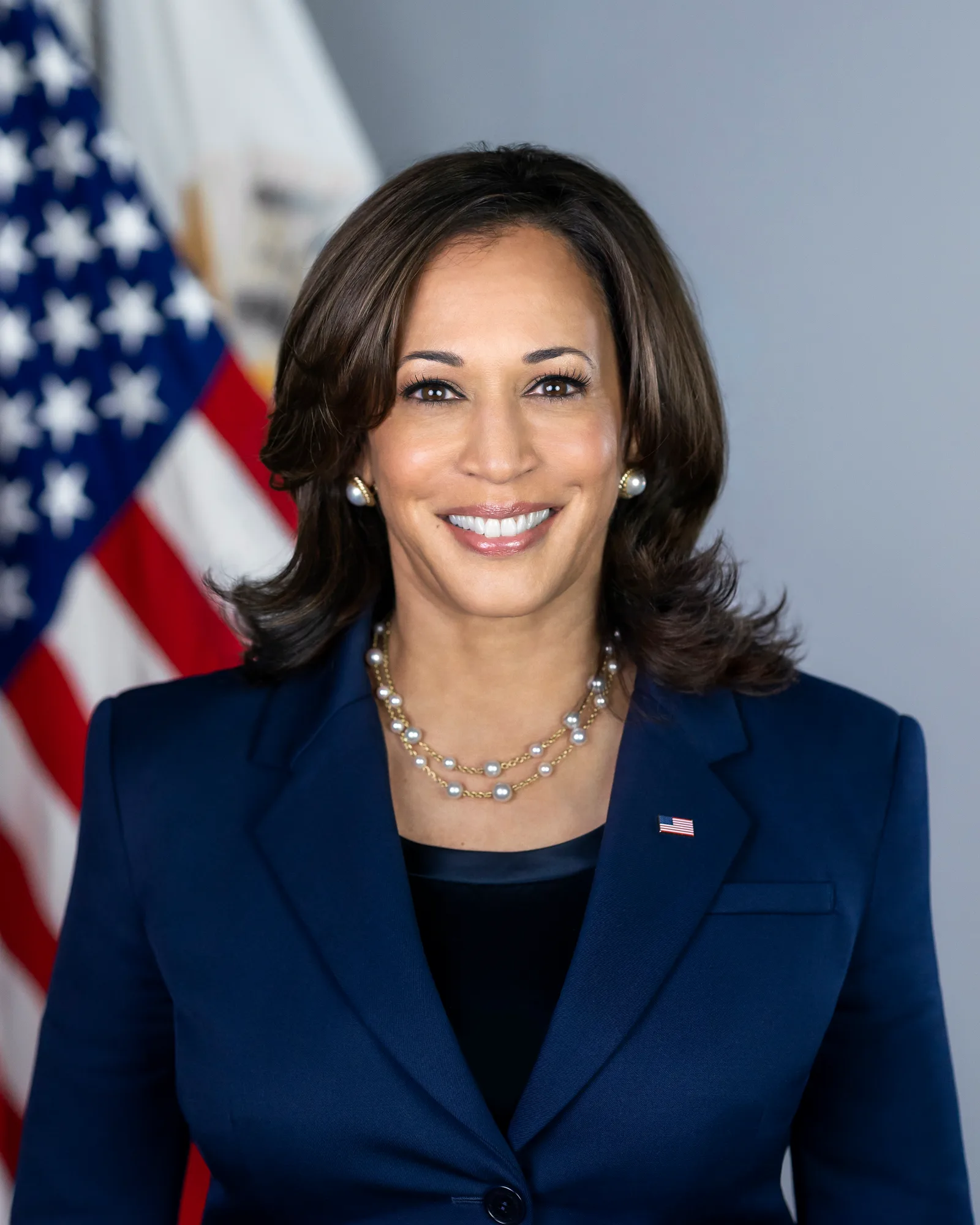 File photo
What happened
Key facts
- Kamala Harris said Democrats should expand the Supreme Court if they win back Congress (per New York Post, Fox News).
- Kamala Harris said the Electoral College should be changed so that the popular vote 'has to matter' (per New York Post).
- Kamala Harris said Democrats should push for statehood for Puerto Rico and the District of Columbia (per New York Post).
- Harris made the comments during an interview on Keke Palmer's 'Baby, This is Keke Palmer' podcast (per New York Post).
- The New York Post article said Harris remains undecided about a 2028 presidential run
- Kamala Harris has criticised recent court decisions for enabling southern states to 'deprive people of their ability to have representation' and cited potential losses of Black state legislators in the South (per thegrio.com, New York Post).
- A YouTube video titled 'VP Kamala Harris Speaks Freely After the White House' was listed among outlets reporting on Harris's remarks (per youtu.be, New York Post).
- Right-leaning outlets reported Harris framed these institutional changes as part of a Democratic plan should the party retake the House and the Senate (per New York Post).
The brief
Kamala Harris urged institutional reforms including expanding the Supreme Court, altering the Electoral College and pressing for statehood for Puerto Rico and the District of Columbia during an interview on Keke Palmer’s 'Baby, This is Keke Palmer' podcast.
She framed those changes as items Democrats should pursue if they regain control of Congress and said she has not decided whether to run for president in 2028.
Harris tied the push for structural reforms to concerns about recent court rulings and voting representation, arguing those rulings have enabled some states to redraw districts in ways she said reduce representation for Black voters and could cost seats held by Black state legislators in the South.
The New York Post reported the calls for court expansion and Electoral College change explicitly as part of a Democratic strategy to 'win back the House and the Senate.' That outlet also quoted Harris on the need for the popular vote to matter.
The left-leaning coverage in TheGrio emphasised Harris’s focus on voting rights and her appeal to Black voters to demand more from elected officials, linking her institutional proposals to broader warnings about voter disenfranchisement in southern states.
Media outlets on the right framed the proposals as tactical steps Democrats would take if they controlled Congress, while outlets listing the remarks in headlines or video form corroborated that Harris made these policy recommendations publicly on the podcast.
Sources differ in emphasis: TheGrio foregrounded voting-rights consequences and the risk to Black legislators, while the New York Post emphasised the partisan electoral calculation and reported Harris remains undecided about a 2028 bid.
What is confirmed across the reporting is that Harris publicly advocated the three institutional changes on the podcast; claims about motives—whether corrective reform or partisan advantage—are presented as Harris’s justification and as commentators’ interpretation rather than independently established fact.
The reporting does not provide legislative timelines, vote counts, or detailed procedural steps for how any of the proposals would be enacted, and it does not include responses from congressional leaders or from Puerto Rican or D.C. officials reacting to Harris’s call.
For readers tracking potential next steps, the proposals Harris named—court expansion, Electoral College reform, and admitting two new states—are significant structural changes that would require major congressional action and, in some cases, constitutional or statutory alteration; the sources only document Harris’s public advocacy and do not report specific legislative initiatives tied to her remarks.
Why it matters
- Black state legislators in the South are the concrete population Harris cited as at risk of losing representation because of recent court decisions; the mechanism she identified is redistricting that she said can 'deprive people of their ability to have representation,' and she linked that outcome to the need for structural reforms.
- If implemented, expanding the Supreme Court would alter the composition of the federal judiciary, a mechanism that could change legal outcomes across many policy areas; the sources document Harris proposing court expansion as a tool Democrats should pursue after regaining congressional control.
- Changing the Electoral College to make the popular vote 'matter' would alter the mechanism used to choose presidents and affect the vote power of specific states and coalitions; the New York Post records Harris calling for that change as part of Democratic strategy.
- Pushing statehood for Puerto Rico and D.C. would add congressional representation and Electoral College electors for those populations; Harris explicitly advocated for that admission as a Democratic priority in the podcast remarks.
What to watch next
- Whether congressional Democrats introduce legislation to expand the Supreme Court after regaining either chamber, as Harris proposed.
- Whether any member of Congress files legislation to reform the Electoral College or to bind presidential selection to the national popular vote following Harris's public call.
- Whether bills to admit Puerto Rico or the District of Columbia as states are introduced or advanced in either chamber of Congress after Democrats seek to 'win back the House and the Senate.'
- Whether Kamala Harris publicly commits to a 2028 presidential run after remaining undecided in the podcast interview.
How it's being covered
Coverage analysisShow details5 source articles · 5 unique outletsCoverage mix: Mixed· 1 Left · 1 Center · 2 RightWhere the outlets are based: US/Canada 60% · Europe 20% · Other 20%
How outlets' accounts compare
5 framing differences · 2 uncorroborated claims · 2 information gaps- TheGrio frames Harris’s proposals primarily as voting-rights measures aimed at protecting Black representation and warns of the loss of Black state legislators in the South.
- The New York Post frames the proposals as partisan tools Democrats should use if they retake Congress and emphasises the electoral calculus and Harris’s undecided status on a 2028 run.
- Fox News ran a headline emphasising expansion of the Supreme Court and adding states if Democrats take Congress, aligning with the New York Post’s partisan framing.
- All sources attribute Harris’s argument linking recent court decisions to reduced representation, but none in this set documents the specific court decision she referenced by name or date in the provided excerpts.
- The New York Post attributes the call for institutional changes to Harris’s interview on Keke Palmer’s podcast; TheGrio attributes Harris’s broader voting-rights critique to speeches and remarks warning about southern redistricting effects.
- New York Post: Harris said the popular vote 'has to matter.'
- TheGrio: Harris warned recent court decisions have enabled southern states to 'deprive people of their ability to have representation' and cited estimates about potential losses of Black state legislators.
- No report Updat3 read provides legislative timelines, specific vote thresholds, or which members of Congress would sponsor or back measures to expand the Supreme Court, reform the Electoral College, or admit Puerto Rico and D.C.
- No report Updat3 read reports any official response from congressional leaders, Puerto Rican government officials, or District of Columbia officials to Harris’s advocacy.
How we got here
The immediate backdrop was a string of high-profile institutional debates that followed the Supreme Court's June 24, 2022 decision in Dobbs v. Jackson Women's Health Organization, which prompted renewed public calls from some Democratic elected officials and activists to change federal judicial structures.
Before Dobbs, President Joe Biden established the Presidential Commission on the Supreme Court of the United States on April 9, 2021, to study possible reforms to the Court’s structure and practices. The structural roots of proposals to alter the Electoral College lie in the U.S.
Original sources
1 of 5 articles · Middle East · Show allEvery story links to the reporting it was built from. How we choose sources
Spotted a factual error, a broken link or a misleading summary? Tell us.