
Netanyahu seeks Blockchain plan as Israel faces Possible banking Sanctions
Benjamin Netanyahu said he has asked for a blockchain-based plan to help Israel’s economy withstand potential international financial sanctions. He warned that Israel could face banking sanctions and said the country should not expect U.S. military aid to continue at past levels.
AI-assisted synthesis · Based on 5 outlets' reporting · Article text read from 1 of 5 outletsHow it's made
View timeline · 9 entries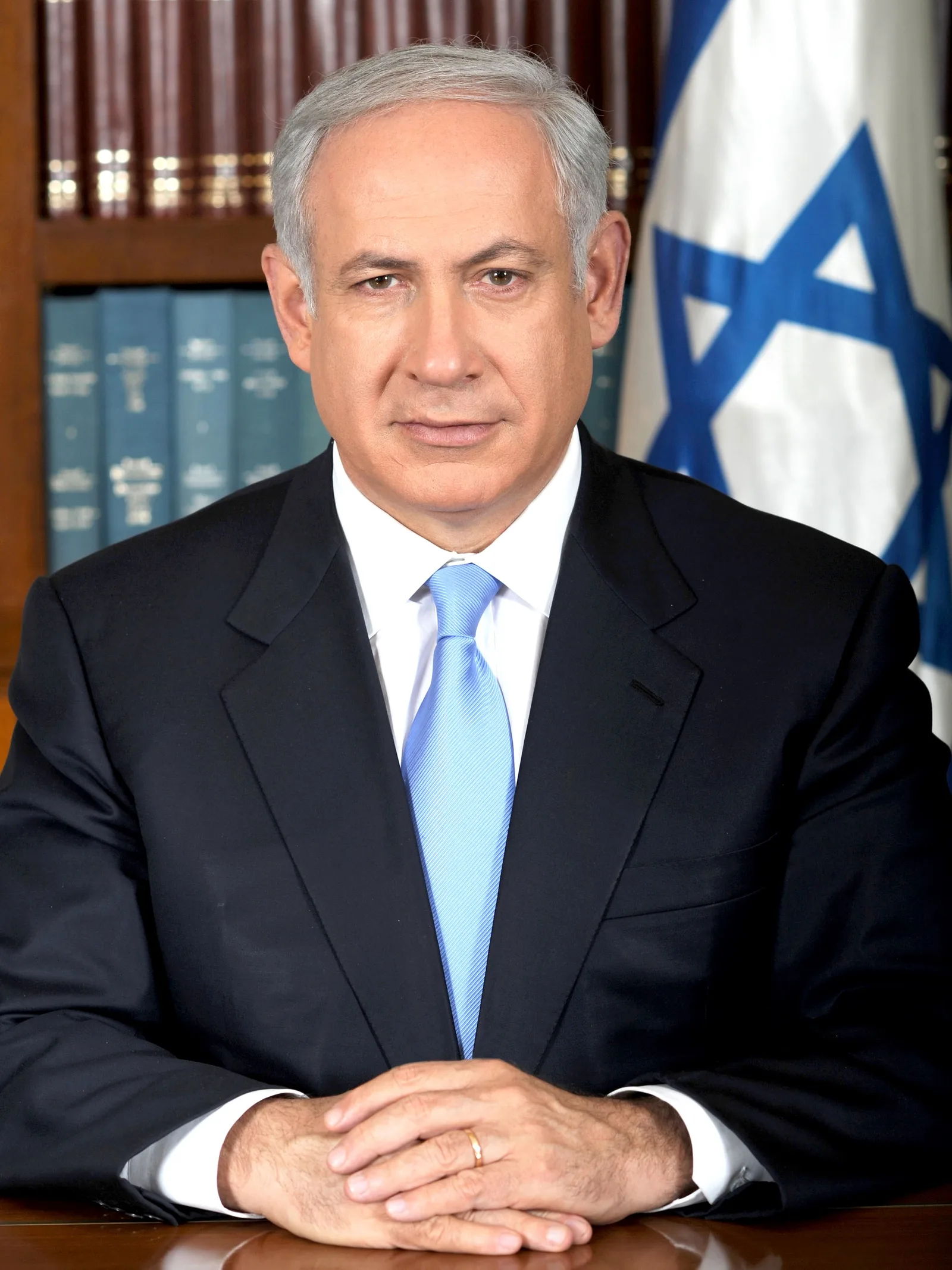 File photo
What happened
Key facts
- Benjamin Netanyahu warned that Israel could face banking sanctions (per coinpedia.org, The Jerusalem Post, cryptotimes.io).
- Netanyahu said he had asked for a blockchain-based plan to help Israel’s economy withstand potential financial sanctions (per coinpedia.org, cryptotimes.io).
- Netanyahu referred to currencies that could bypass financial restrictions (per coinpedia.org, cryptotimes.io, Haaretz).
- Netanyahu said he was working on the issue (per coinpedia.org).
- Netanyahu said Israel should not expect U.S. military aid to continue at past levels (per coinpedia.org).
- The Jewish People Policy Institute said 64 countries had taken or considered economic, financial or diplomatic measures against Israel (per coinpedia.org).
The brief
Israeli Prime Minister Benjamin Netanyahu said he had asked for a blockchain-based plan to help Israel’s economy withstand potential international financial sanctions. CoinPedia reported that Netanyahu raised the prospect of banking sanctions and said Israel needed an economy able to operate around such restrictions.
In a television interview, Netanyahu referred to currencies that could bypass financial restrictions and said he was working on the issue. The account does not describe the proposed plan’s design or identify specific currencies.
The Jerusalem Post’s headline also says Netanyahu is preparing an alternative financial system, while The Crypto Times and Haaretz headlines describe his remarks as exploring blockchain or cryptocurrency as a possible way around sanctions. Netanyahu also said Israel should not expect U.S. military aid to continue at past levels.
CoinPedia’s account reports this warning alongside his remarks about financial sanctions, but does not give an aid figure or specify a change in U.S. policy. The remarks came days before Israel’s October 27 election, according to CoinPedia. The account places the comments in that period but does not attribute the proposal or aid warning to the election.
CoinPedia cited the Jewish People Policy Institute as saying that 64 countries had taken or considered economic, financial or diplomatic measures against Israel. That figure combines measures already taken with measures under consideration and includes three broad categories; CoinPedia does not break out the countries or the status of individual measures.
The immediate policy steps Netanyahu has requested, and whether the proposed blockchain-based plan will be adopted, are not specified in the account. The central issues he raised were the possibility of banking sanctions, alternative means of conducting financial activity, and the prospect that U.S. military aid may not remain at previous levels.
Why it matters
- Israel’s economy is the specific entity Netanyahu said a blockchain-based plan should help withstand potential international financial sanctions.
- Banking sanctions are the concrete financial mechanism Netanyahu warned Israel could face.
- The Jewish People Policy Institute’s cited count is 64 countries that had taken or considered economic, financial or diplomatic measures against Israel.
- Netanyahu’s warning about U.S. military aid concerns the prospect that Israel may not receive aid at past levels; the account gives no amount.
What to watch next
- Whether Netanyahu’s requested blockchain-based plan is developed or adopted.
- Whether Netanyahu identifies currencies intended to bypass financial restrictions.
- Whether Israel faces banking sanctions, which Netanyahu warned could occur.
- Whether U.S. military aid continues at past levels, as Netanyahu said Israel should not expect.
How it's being covered
Coverage analysisShow details5 source articles · 5 unique outletsOutlet political mix: Mixed· 1 Left · 1 Center · 1 Right · 2 unratedWhere the outlets are based: Middle East 60% · Unknown 40%
How outlets' accounts compare
Timeline
Developments from this story's sources, dated background we compiled and fact-checked, and our earlier coverage. Each row says which.- Israel captured the West Bank, East Jerusalem and Gaza during the Arab-Israeli war.Background · compiled and fact-checked by Updat3
- UN Security Council Resolution 242, adopted on 22 November 1967, called for Israeli withdrawal from territories occupied in the conflict and recognition of every state’s right to live in peace.Background · from our historical context
- Benjamin Netanyahu returned to office as prime minister after his bloc won a majority in the Knesset election.Background · compiled and fact-checked by Updat3
- The conflict’s more immediate roots include Hamas’s 7 October 2023 attack on Israel, in which people were killed and taken hostage, and Israel’s ensuing military campaign in Gaza.Background · from our historical context
- The UN Security Council adopted Resolution 2728 on 25 March 2024, demanding an immediate ceasefire for Ramadan and the release of hostages.Background · from our historical context
- The International Court of Justice issued an advisory opinion finding Israel’s continued presence in the occupied Palestinian territory unlawful.Background · compiled and fact-checked by Updat3
- The United Kingdom suspended 30 arms-export licences to Israel, citing a risk of serious violations of international humanitarian law.Background · compiled and fact-checked by Updat3
- On 18 September 2024, the UN General Assembly adopted a resolution calling on Israel to end its presence in the occupied Palestinian territory within 12 months and urging states to take steps toward that outcome.Background · from our historical context
- The International Criminal Court issued arrest warrants for Benjamin Netanyahu and Yoav Gallant over alleged crimes in Gaza.Background · compiled and fact-checked by Updat3
How we got here
On 18 September 2024, the UN General Assembly adopted a resolution calling on Israel to end its presence in the occupied Palestinian territory within 12 months and urging states to take steps toward that outcome.
The resolution followed the International Court of Justice’s 19 July 2024 advisory opinion, which found Israel’s continued presence in the occupied territory unlawful and said states should not recognize or assist in maintaining it.
Original sources
3 of 5 articles · Middle East · Show allEvery story links to the reporting it was built from. How we choose sources
Spotted a factual error, a broken link or a misleading summary? Tell us.