
Starlink restricted Ukrainian military access, Sydney Morning Herald reports
SpaceX’s Starlink reduced or limited satellite internet access for the Ukrainian military, cutting a key connectivity tool, the Sydney Morning Herald reports. The paper says the move deepened worries about dependence on one corporate-controlled broadband provider and notes businesses such as Delta Air Lines have treated that risk as a reason to avoid outsourcing customer relationships to Starlink.
AI-assisted synthesis · Based on 5 outlets' reporting · Full text read from 1 of 5 outletsHow it's made
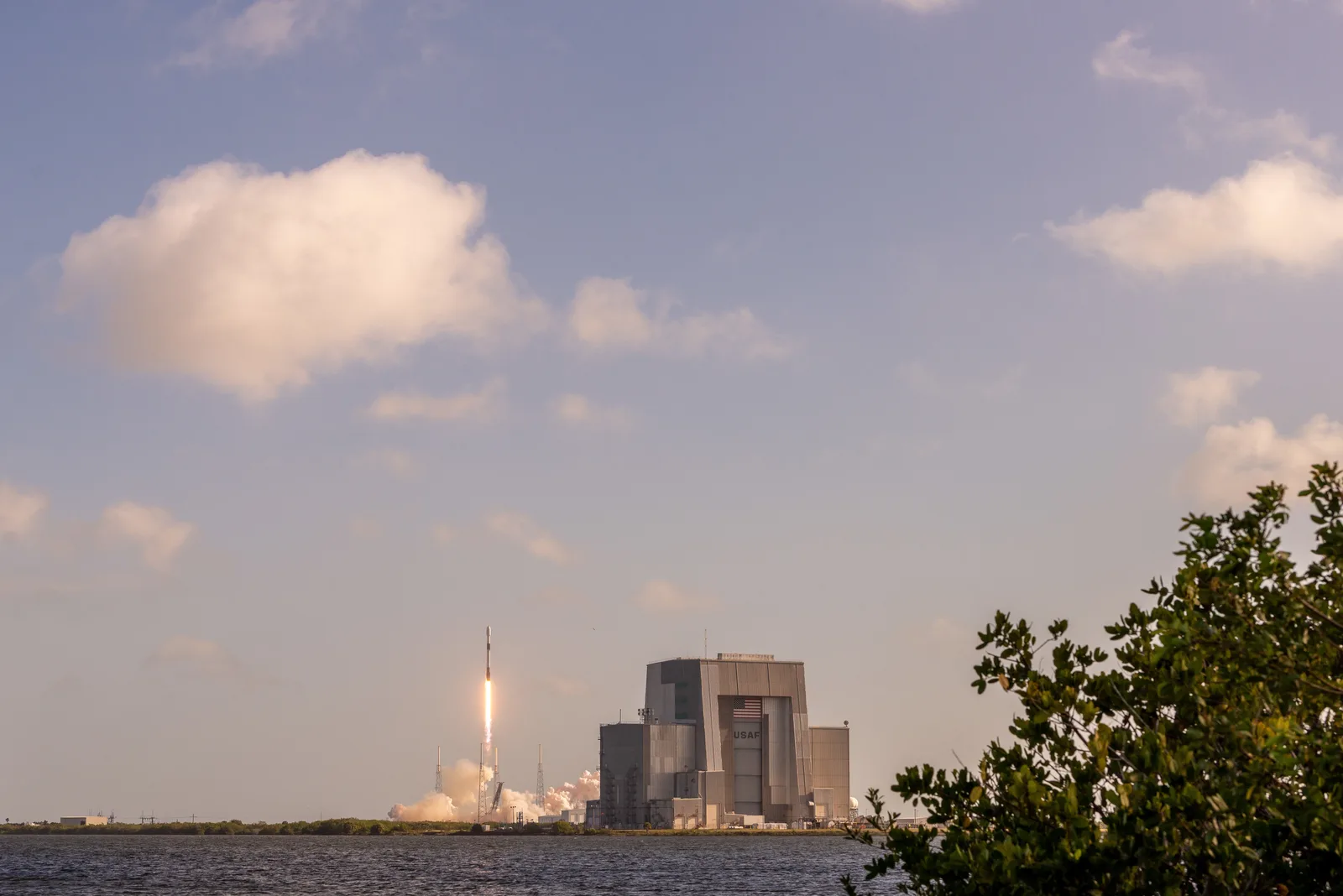 File photo
What happened
Key facts
- Elon Musk said he had nothing to do with Starlink reducing speeds for Ukrainians and suggested the interference likely came at the behest of the US military and President Donald Trump (per The Sydney Morning Herald).
- SpaceX previously denied Ukrainians access to Starlink service in 2023, according to the Sydney Morning Herald (per The Sydney Morning Herald).
- Multiple outlets reported that Starlink restrictions affected Ukrainian military operations (per The Sydney Morning Herald, nbcboston.com, The Guardian).
- The Herald reported that many major US airlines have adopted Starlink for in-flight broadband (per The Sydney Morning Herald).
- Delta said it prefers to manage its own customer relationships directly rather than outsource them to Starlink, the Herald reports (per The Sydney Morning Herald).
- The Sydney Morning Herald said the decision by Starlink to restrict Ukrainian military access prompted debate that businesses, including some airlines, have acted on
The brief
The Sydney Morning Herald reported that Starlink reduced or restricted satellite internet speeds and access used by the Ukrainian military, a move the paper says limited a critical connectivity tool. The Herald quotes Elon Musk as denying involvement in the throttling and saying that any interference likely came at the behest of the US military and President Donald Trump.
The paper also notes that SpaceX previously denied Ukrainians access to Starlink service in 2023. The Herald frames the episode as a broader warning about reliance on a single corporate-controlled provider for superfast satellite internet, arguing that such concentration can leave military and civilian users vulnerable when a private operator curtails service.
That theme underpins the Herald’s account that the recent restrictions reignited debate about who controls critical communications infrastructure. The article records industry consequences the paper sees as related: it says many major US airlines have installed Starlink for in-flight broadband, but identifies Delta Air Lines as a notable exception.
The Herald reports Delta declined Starlink because the airline prefers to manage its own customer relationships rather than outsource them to SpaceX. The piece presents Delta’s choice as a cautionary example in light of the Starlink restrictions affecting Ukraine.
The Herald’s reporting is echoed in headlines from other outlets that described sudden Starlink restrictions harming Ukrainian operations or drone performance, and a Reuters headline cited a presidential aide saying SpaceX limits disrupted missions.
The Herald itself foregrounds Musk’s denial and his attribution of probable responsibility to US military actors rather than to SpaceX management. The Sydney Morning Herald places the event in a pattern, citing SpaceX’s 2023 denial of Ukrainian access as part of the firm’s track record of intermittent service decisions affecting Ukraine.
That history is the single sentence of past context the paper uses to explain why the latest restriction is especially consequential.
The Herald’s account leaves claims about who ordered or directed the throttling unresolved: it records Musk’s assertion that the US military and President Donald Trump were likely involved, while reporting SpaceX as the operator that executed the access changes.
The story links the technical intervention to immediate debates in aviation and other sectors over reliance on one corporate provider for mission-critical connectivity.
Why it matters
- Ukrainian military units bear the concrete cost because their satellite-dependent communications and operations were limited by Starlink’s reduced speeds or access, according to the Sydney Morning Herald.
- Delta Air Lines avoided adopting Starlink and thus avoided the risk of a third-party cutoff for customer connections; the Herald presents that procurement choice as a mechanism to keep airline–customer relationships under direct control.
- SpaceX/Starlink’s control over service allocation creates a single-provider failure point for organisations that rely on the network, the Herald argues, meaning corporations and militaries can lose a mission-critical data link when the operator changes access.
What to watch next
- Whether SpaceX or Elon Musk issues a detailed technical explanation or log that the Sydney Morning Herald would be able to cite regarding the cause of the reduced speeds or access.
- Whether Delta Air Lines maintains its decision to avoid Starlink contracts in public statements cited by the Sydney Morning Herald.
- Whether governments or airlines alter procurement or contingency plans for satellite broadband after the restrictions reported by the Sydney Morning Herald.
How it's being covered
Coverage analysisShow details5 source articles · 5 unique outletsCoverage mix: Mixed· 1 Left · 2 Center · 1 RightWhere the outlets are based: Europe 20% · Middle East 20% · Other 60%
One source is from a wire service (AP, Reuters, AFP or Bloomberg), whose reporting other outlets often republish.
How outlets' accounts compare
How we got here
The immediate backdrop is SpaceX’s prior refusal in 2023 to provide unrestricted Starlink service to Ukrainian military users, a decision reported by the Sydney Morning Herald in 2023.
That 2023 restriction followed Elon Musk’s public intervention in March 2022, when he enabled Starlink terminals to operate in Ukraine after the Russian invasion that began on February 24, 2022. (SpaceX), founded by Elon Musk in 2002, and the public beta launch of the Starlink service in October 2019.
Original sources
1 of 5 articles · Middle East · Show allEvery story links to the reporting it was built from. How we choose sources
Spotted a factual error, a broken link or a misleading summary? Tell us.