
Venezuelans demand elections as Rodríguez and Trump set no date
Thousands of Venezuelans protested in Caracas, Maracay and Valencia, calling for free elections and political changes. Acting President Delcy Rodriguez and U.S. President Donald Trump have said elections will take place but have not announced dates for legislative or presidential votes.
AI-assisted synthesis · Based on 4 independent reports from 5 outlets · Article text read from 1 of 4 reportsHow it's made
View timeline · 10 entries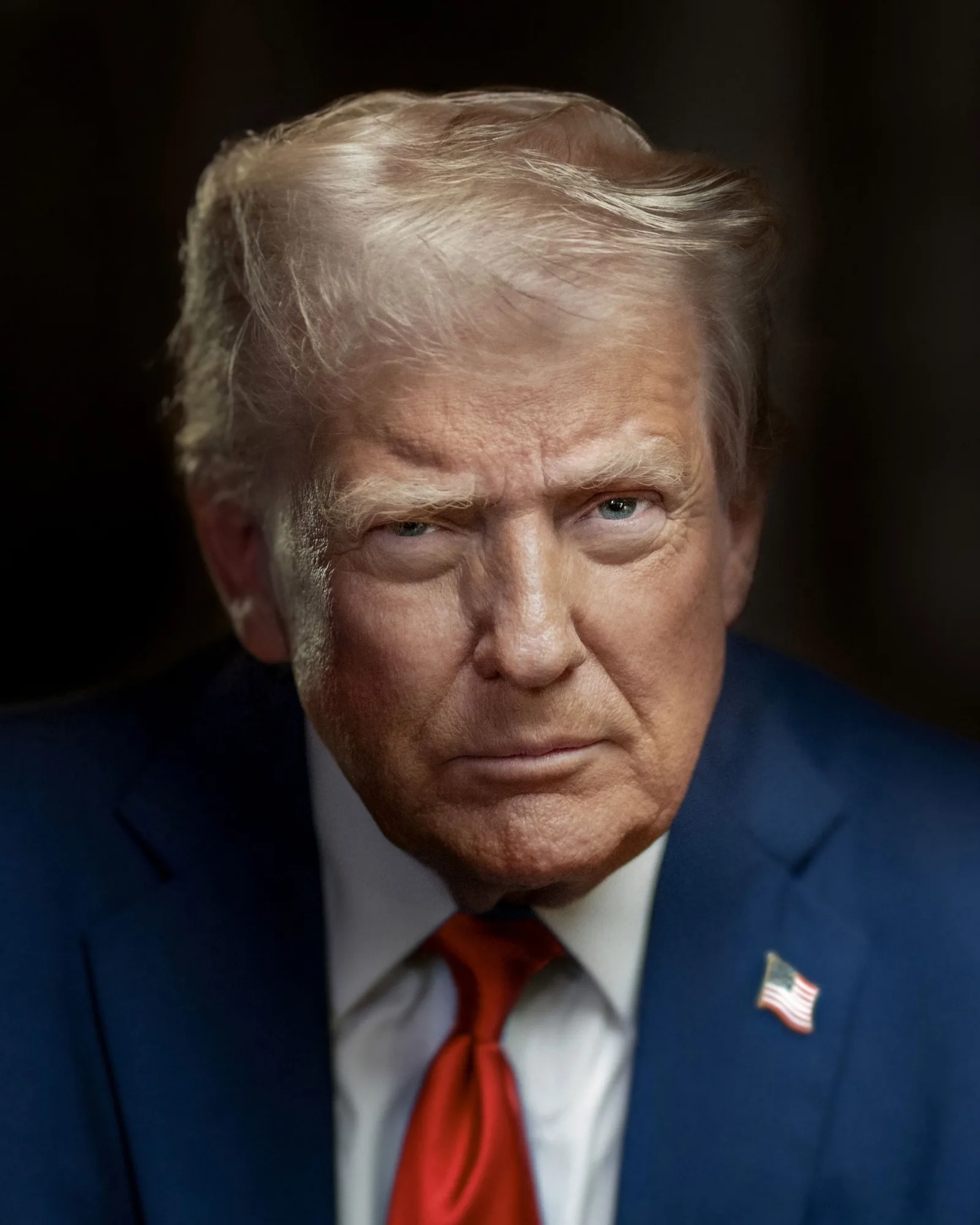 File photo
What happened
Key facts
- Demonstrators called for free elections and other political changes (per The Japan Times).
- Acting President Delcy Rodriguez and U.S. President Donald Trump have said elections will take place but have not set dates for legislative or presidential votes (per The Japan Times).
- Opposition leader Maria Corina Machado has said Venezuela's elections must take place by July 2027 (per The Japan Times, curacaochronicle.com).
The brief
Thousands of Venezuelans took part in a nationwide opposition protest, calling for free elections and political changes as Acting President Delcy Rodriguez and U.S. President Donald Trump continued to say that elections would take place without setting dates for legislative or presidential votes.
The Japan Times reported demonstrations in Caracas, Maracay and Valencia, and described the security forces’ presence as notably thin. Demonstrators used the rallies to press for political change and an electoral timetable. The protest was the first nationwide opposition demonstration in nearly two years, according to The Japan Times.
TRT World and Reuters also described it in their headlines as the first national protest in nearly two years. The headline from voz.us additionally says protesters demanded the release of political prisoners and the return of María Corina Machado. The central unresolved issue in the account is when voters will be able to choose national leaders and legislators.
Rodriguez and Trump have both said elections will occur, but neither has announced dates for the legislative vote or the presidential contest. Their stated position therefore promises elections without providing the timetable sought by demonstrators.
The Japan Times reported that the United States has worked closely with the interim government led by Rodriguez since U.S. forces captured President Nicolas Maduro in January. The outlet identifies Rodriguez as acting president and describes her government as interim. It does not connect that cooperation directly to the protest demands or to a decision about election timing.
Opposition leader Maria Corina Machado has said elections must take place by July 2027, The Japan Times reported. Curaçao Chronicle’s headline likewise attributes a call for presidential elections by that month to Machado. The Japan Times also reports that Machado has been outside Venezuela for nearly a year after living in hiding following the contested 2024 election.
The protest’s demands thus include both the broader call for free elections and Machado’s stated deadline for holding them.
The government’s and Trump’s statements that elections will happen leave the timing unresolved; the next relevant decisions are whether Rodriguez or Trump announces dates for the legislative and presidential votes, and whether the election timetable meets Machado’s call for a vote by July 2027.
Why it matters
- Venezuelan demonstrators are pressing for free elections and political changes; the concrete issue is the absence of announced dates for legislative and presidential votes.
- Rodriguez and Trump have each said elections will take place, making their decisions on election dates central to the demands raised at protests in Caracas, Maracay and Valencia.
- Machado has called for elections by July 2027, providing a specific deadline against which the still-undated election commitment can be assessed.
What to watch next
- Whether Acting President Delcy Rodriguez announces dates for legislative and presidential elections.
- Whether U.S. President Donald Trump announces dates for the legislative and presidential votes.
- Whether an election timetable meets Maria Corina Machado’s call for elections by July 2027.
How it's being covered
Coverage analysisShow details5 source articles · 5 unique outlets · 4 distinct reportsOutlet political mix: Too few rated· 2 Center · 3 unratedWhere the outlets are based: Unknown 40% · Middle East 20% · Other 40%
2 sources are from a wire service (AP, Reuters, AFP or Bloomberg), whose reporting other outlets often republish.
How outlets' accounts compare
Timeline
Developments from this story's sources, dated background we compiled and fact-checked, and our earlier coverage. Each row says which.- Venezuela adopted a new constitution under President Hugo Chávez.Background · compiled and fact-checked by Updat3
- Nicolás Maduro was sworn in as president after Hugo Chávez's death.Background · compiled and fact-checked by Updat3
- The opposition won control of Venezuela's National Assembly in legislative elections.Background · compiled and fact-checked by Updat3
- In 2017, the Supreme Court issued rulings that curtailed the legislature’s powers; Maduro’s government then convened a Constituent Assembly, whose election the opposition boycotted.Background · from our historical context
- In the May 2018 presidential election, which major opposition parties boycotted, the electoral authority declared Maduro the winner.Background · from our historical context
- In January 2019, National Assembly leader Juan Guaidó declared himself interim president, and the United States and several other governments recognized him; Maduro retained control of state institutions.Background · from our historical context
- In October 2023, Maduro’s government and opposition representatives signed the Barbados Agreement, which set out commitments for competitive presidential elections.Background · from our historical context
- Venezuela's Supreme Court upheld a ban preventing opposition leader María Corina Machado from holding public office.Background · compiled and fact-checked by Updat3
- The immediate backdrop to Venezuela’s renewed election demands was the disputed presidential vote of July 28, 2024.Background · from our historical context
- Maduro was sworn in for another term on January 10, 2025, despite the opposition’s challenge to the result.Background · from our historical context
How we got here
The immediate backdrop to Venezuela’s renewed election demands was the disputed presidential vote of July 28, 2024. The National Electoral Council declared President Nicolás Maduro the winner but did not publish polling-station-level results; opposition candidate Edmundo González and María Corina Machado said their collected tally sheets showed González had won.
Maduro was sworn in for another term on January 10, 2025, despite the opposition’s challenge to the result. In October 2023, Maduro’s government and opposition representatives signed the Barbados Agreement, which set out commitments for competitive presidential elections.
Original sources
1 of 5 articles · Middle East · Show allEvery story links to the reporting it was built from. How we choose sources
Spotted a factual error, a broken link or a misleading summary? Tell us.