
Greenspan takes Congress outreach role with Trump’s Board of Peace
Trump’s Board of Peace has hired a former Biden aide to lead outreach to Congress, according to headlines from The Times of Israel and Axios. The Jerusalem Post describes the role as Gaza outreach, while Jewish Insider reports that Greenspan began the job on Monday and quotes her saying she looks forward to continuing work with the Board.
AI-assisted synthesis · Based on 4 outlets' reporting · Article text read from 1 of 4 outlets · 1 article captured only in partHow it's made
View timeline · 9 entries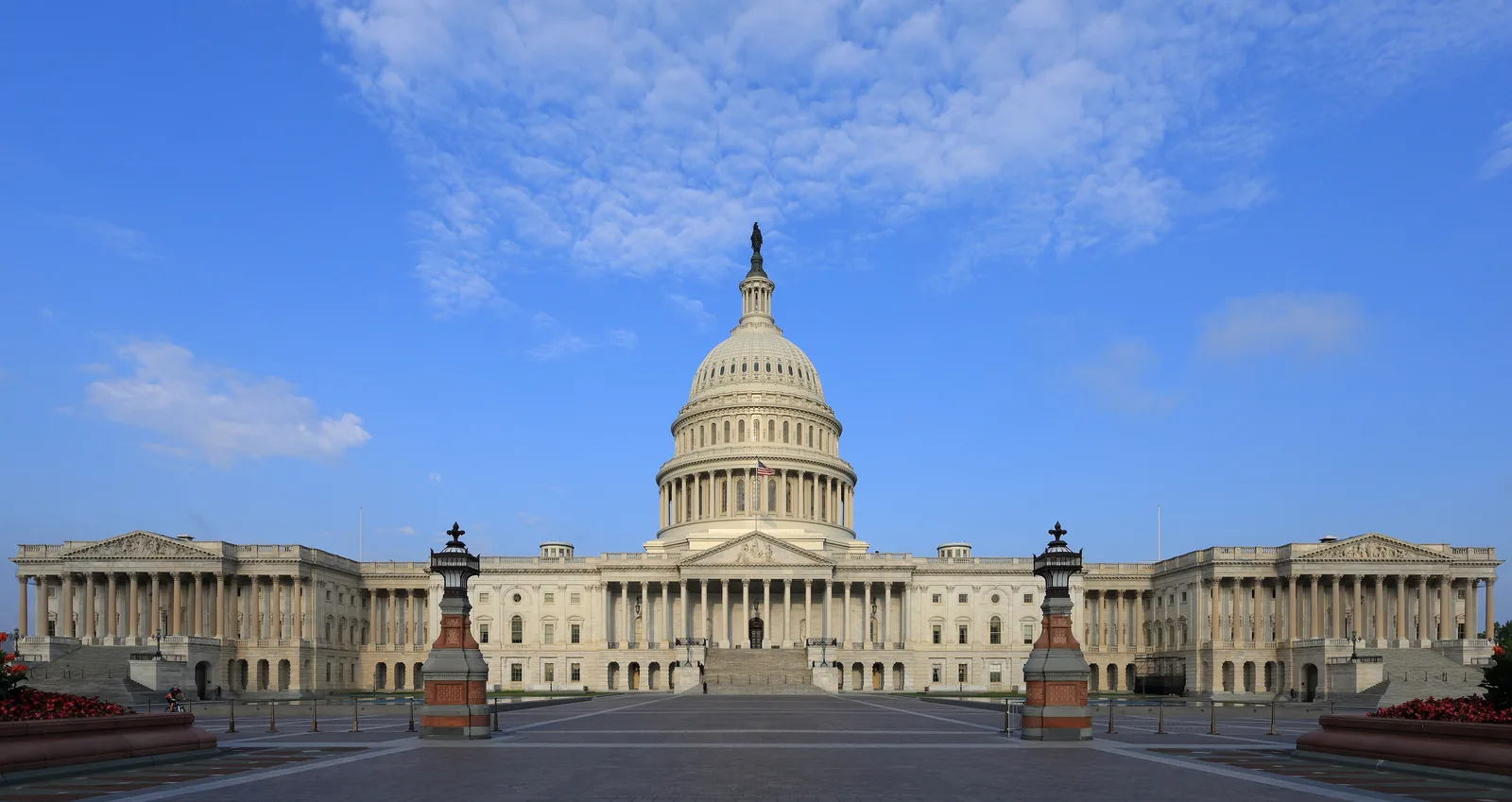 File photo
What happened
Key facts
- The former Biden aide is to lead outreach to Congress (per The Times of Israel, Axios).
- Jewish Insider reported that Greenspan started in her new role on Monday (per jewishinsider.com).
- Greenspan said she had seen how the President’s 20-Point Plan could deliver for the peoples of Gaza and Israel (per jewishinsider.com).
- Greenspan said she looked forward to continuing that work with the Board (per jewishinsider.com).
The brief
Trump’s Board of Peace has hired a former Biden aide for a role connected to outreach, with headlines identifying Congress and Gaza as its focus. The Times of Israel and Axios say the aide will lead outreach to Congress; The Jerusalem Post describes the position as Gaza outreach.
Jewish Insider identifies the appointee as Greenspan and reports that she started in the role on Monday. Its account says a source familiar with the matter confirmed her start. The available account does not give Greenspan’s first name or specify a calendar date for her first day. The headlines characterize Greenspan’s background in different terms.
The Times of Israel calls her Biden’s Jewish community liaison, while The Jerusalem Post and Axios describe her as a Biden aide. The Times of Israel and Axios connect the job to Congress; the Jerusalem Post emphasizes Gaza. Greenspan said she had seen how the President’s 20-Point Plan could deliver for the peoples of Gaza and Israel.
She also said she looked forward to continuing that work with the Board. Her remarks present the appointment as a continuation of work related to the plan, but do not set out specific duties or describe how the Congress and Gaza outreach would be divided.
The Board of Peace is identified in the headlines as President Trump’s institution, and the appointment places a former Biden aide in a role tied to its outreach. The account does not detail the aide’s prior work, explain the selection process, name the members of the Board, or state whether Congress or any other body has taken action in response.
The immediate documented next step is Greenspan’s work in the new role. Her quoted statement signals that she intends to continue work with the Board on the 20-Point Plan; it does not provide a timetable, identify particular lawmakers or organizations she will contact, or describe any subsequent decisions.
Why it matters
- Greenspan’s appointment connects a former Biden aide to Trump’s Board of Peace, the institution named in the headlines.
- The stated outreach focuses are Congress, according to The Times of Israel and Axios, and Gaza, according to The Jerusalem Post.
- Greenspan linked her continuing work with the Board to the President’s 20-Point Plan and its potential to deliver for the peoples of Gaza and Israel.
What to watch next
- Whether Greenspan carries out the Congress outreach described by The Times of Israel and Axios.
- Whether the role includes the Gaza outreach described in The Jerusalem Post headline.
- What further work Greenspan undertakes with the Board on the President’s 20-Point Plan.
How it's being covered
Coverage analysisShow details4 source articles · 4 unique outletsOutlet political mix: Mostly Center· 3 Center · 1 RightWhere the outlets are based: Middle East 50% · US/Canada 25% · Other 25%
- Coverage is currently concentrated among Center-rated outlets (3 of 4 rated sources); comparatively few Left-rated outlets have published on the event.
How outlets' accounts compare
Timeline
Developments from this story's sources, dated background we compiled and fact-checked, and our earlier coverage. Each row says which.- Israel captured Gaza, the West Bank and East Jerusalem during the Six-Day War.Background · compiled and fact-checked by Updat3
- The Oslo Accords, signed by Israel and the Palestine Liberation Organization on September 13, 1993, established interim Palestinian self-government and a negotiating framework, but left final-status questions unresolved.Background · from our historical context
- Israel removed its settlements and permanent ground forces from Gaza in its disengagement.Background · compiled and fact-checked by Updat3
- Hamas won the Palestinian legislative election.Background · compiled and fact-checked by Updat3
- Israel and Egypt imposed restrictions on movement into and out of the territory in 2007, with Israel citing security concerns and Hamas’s rule.Background · from our historical context
- Hamas took control of Gaza after fighting with Fatah.Background · compiled and fact-checked by Updat3
- The Abraham Accords, signed in 2020 by Israel, the United Arab Emirates and Bahrain, normalized relations between Israel and those Arab states but did not settle the Palestinian question.Background · from our historical context
- The conditions in Gaza predated October 2023.Background · from our historical context
- Hamas-led fighters attacked Israel, killing civilians and taking hostages.Background · compiled and fact-checked by Updat3
How we got here
The Trump administration’s 20-Point Plan for Gaza and Israel is the immediate diplomatic backdrop to the Board of Peace role. The conflict the plan addresses intensified after Hamas-led fighters attacked Israel on October 7, 2023, killing civilians and taking hostages; Hamas described its attack as a response to Israeli policies and actions affecting Palestinians.
The conditions in Gaza predated October 2023. Israel captured Gaza, the West Bank and East Jerusalem during the June 1967 war; after the 2005 Israeli disengagement, Israel retained control over most access to Gaza, while Egypt controlled the Rafah crossing. Hamas won the 2006 Palestinian legislative election and took control of Gaza in June 2007 after fighting with Fatah.
Original sources
2 of 4 articles · Middle East · Show allEvery story links to the reporting it was built from. How we choose sources
Spotted a factual error, a broken link or a misleading summary? Tell us.