
Zelensky says Ukraine's 161 km/h Starlink cap disrupts interceptor drones
Volodymyr Zelensky said Starlink’s 161 km/h speed limit in Ukraine prevents some interceptor drones from using the service against jet-powered Shaheds. He said Starlink-equipped vehicles maintained service during tests in European countries at 180 km/h.
AI-assisted synthesis · Based on 5 outlets' reporting · Article text read from 2 of 5 outletsHow it's made
View timeline · 8 entries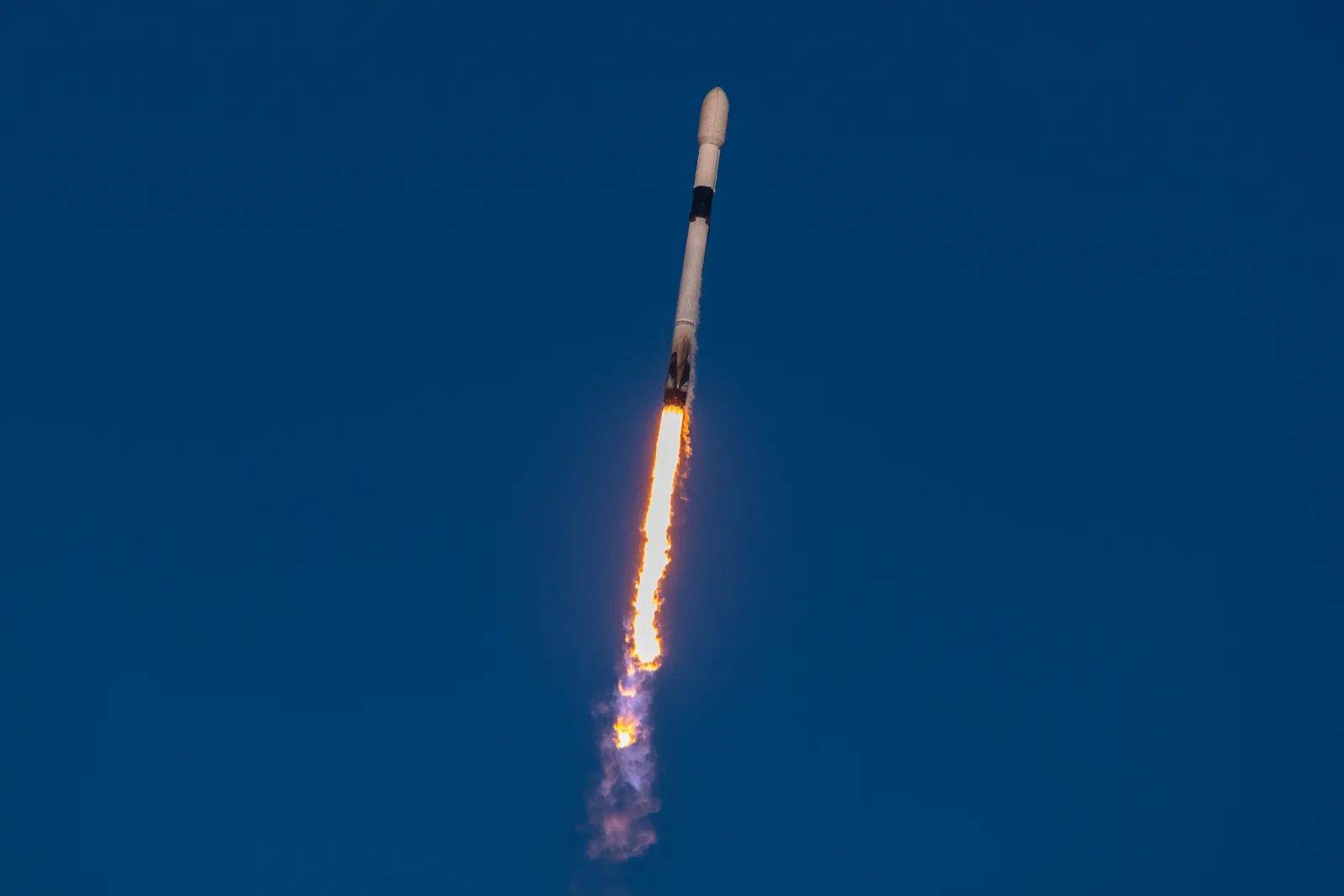 File photo
What happened
Key facts
- Volodymyr Zelensky said Starlink speed restrictions in Ukraine hinder the use of interceptor drones against fast-moving drones (per ukrinform.net, The Kyiv Independent, The Jerusalem Post).
- Zelensky said Starlink service in Ukraine shuts down when a vehicle exceeds 161 km/h (per ukrinform.net).
- Zelensky said the speed limit prevents Starlink use on interceptors targeting jet-powered Shaheds (per ukrinform.net, The Kyiv Independent).
- Zelensky said some Ukrainian interceptor drones use Starlink to intercept fast-moving jet-powered drones (per The Kyiv Independent, ukrinform.net).
- Ukraine sent several Starlink-equipped vehicles to European countries for testing, where they traveled at 180 km/h while the service continued to operate, Zelensky said (per ukrinform.net).
- Zelensky said Starlink supports communications for troops at the front and civilians (per ukrinform.net, The Kyiv Independent).
- Zelensky said troops use Starlink-equipped vehicles to deliver food and water to forward positions that other vehicles cannot reach (per ukrinform.net, The Kyiv Independent).
- Zelensky said Starlink restrictions in Ukraine had not been fully removed (per The Kyiv Independent, The Jerusalem Post, CBS News).
The brief
Volodymyr Zelensky said Starlink’s speed limit in Ukraine prevents some interceptor drones from using the service against fast-moving, jet-powered drones. He described a 161 km/h cap, above which Starlink shuts down, and said the restriction interferes with Ukrainian efforts to use Starlink-connected interceptors against Shaheds.
Zelensky said some Ukrainian interceptor drones rely on Starlink to intercept fast-moving jet-powered drones. The Kyiv Independent likewise reported that he described the drones as a means of intercepting what he called enemy aircraft.
The outlets’ wording differs in emphasis: Ukrinform identifies the targets as jet-powered Shaheds, while The Kyiv Independent refers to Russian jet-powered drones. Both accounts connect the speed restriction to the use of interceptors. Zelensky cited tests in European countries as a comparison.
He said Ukraine sent several Starlink-equipped vehicles there and that the service continued operating while the vehicles traveled at 180 km/h—faster than the limit he described for Ukraine. The reporting establishes his account of those tests, but does not explain why Starlink operates differently across the locations or identify who set the Ukrainian speed limit.
The issue extends beyond drone interception in Zelensky’s account. He said Starlink supports communications for troops at the front and civilians.
He also said troops use Starlink-equipped vehicles to carry food and water to forward positions inaccessible to other vehicles, placing the service’s speed limits in the context of military communications and supply delivery as well as drone operations.
The Kyiv Independent reported that the restrictions remained in place when Zelensky spoke, and its account and the headlines from The Jerusalem Post, CBS News and Naharnet also describe the limits as continuing or not fully restored. Those brief reports do not add a different speed figure.
The available accounts therefore describe an unresolved operational constraint, while leaving the decision-making behind the cap and its technical basis unspecified. The key documented comparison is between the 161 km/h limit Zelensky described in Ukraine and the 180 km/h achieved during tests in European countries.
The reports do not establish that the test vehicles were interceptors or that the testing demonstrated Starlink’s performance during drone interception.
Zelensky’s stated concern is that the service shutting down above the Ukrainian limit can leave an interceptor drone without its connection; the sources do not quantify how many drones, missions or supplies the restriction has affected.
Why it matters
- Ukrainian troops could face a communications constraint when using Starlink-equipped vehicles to carry food and water to forward positions that other vehicles cannot reach, according to Zelensky.
- Zelensky said Starlink supports communications for both troops at the front and civilians, so the described limit concerns more than interceptor drones.
- The 161 km/h cap Zelensky described is below the 180 km/h reached by Starlink-equipped test vehicles in European countries, a comparison he used to explain the operational concern.
- Zelensky said some Ukrainian interceptor drones use Starlink against fast-moving jet-powered drones; the sources do not quantify the number of affected drones or missions.
What to watch next
- Whether Starlink service in Ukraine continues to shut down above the 161 km/h limit Zelensky described.
- Whether Ukraine conducts further tests comparing Starlink performance in Ukraine with the 180 km/h European-country tests Zelensky cited.
- Whether Ukrainian forces continue using Starlink-equipped interceptor drones against fast-moving jet-powered drones.
- Whether Starlink restrictions in Ukraine are changed or removed; the reports describe them as still in place or not fully restored.
How it's being covered
Coverage analysisShow details6 source articles · 5 unique outletsOutlet political mix: Mixed· 1 Left · 3 Center · 1 RightWhere the outlets are based: Unknown 40% · US/Canada 20% · Other 40%
How outlets' accounts compare
1 framing difference · 2 uncorroborated claims · 3 information gaps- Ukrinform names the targets as jet-powered Shaheds; The Kyiv Independent describes them as Russian jet-powered drones.
- Zelensky attributes the inability to use Starlink on some interceptors to the Ukrainian speed restriction; the reports do not independently establish the technical cause.
- Zelensky said Starlink shuts down above 161 km/h in Ukraine, while Starlink-equipped vehicles continued operating at 180 km/h during tests in European countries.
- The sources do not provide an independent technical assessment of the speed restriction or explain its origin.
- The sources do not quantify civilian or military communications disruptions, affected supply deliveries, or interceptor missions affected.
- The sources do not explain who set the Ukrainian speed limit or why Starlink continued operating at 180 km/h in tests in European countries.
Timeline
Developments from this story's sources, dated background we compiled and fact-checked, and our earlier coverage. Each row says which.- Starlink is a satellite-internet system operated by SpaceX, the company Musk founded in 2002.Background · from our historical context
- At its April 2008 Bucharest Summit, NATO declared that Ukraine and Georgia “will become members,” without setting a timetable.Background · from our historical context
- The wider conflict dates to Russia’s annexation of Crimea in 2014 and the beginning of fighting in Donbas that year.Background · from our historical context
- Russia began using Iranian-designed Shahed attack drones against Ukraine in 2022; Ukraine later developed interceptor drones as one means of countering aerial threats.Background · from our historical context
- SpaceX’s Starlink service became part of Ukraine’s wartime communications network after Russia launched its full-scale invasion on February 24, 2022.Background · from our historical context
- On February 26, 2022, SpaceX chief executive Elon Musk said Starlink service had been activated in Ukraine, and terminals were subsequently supplied to the country.Background · from our historical context
- SpaceX president Gwynne Shotwell said the company had restricted Starlink use for offensive drone operations in Ukraine.Background · compiled and fact-checked by Updat3
- The Pentagon confirmed it had contracted with SpaceX to provide Starlink services in Ukraine.Background · compiled and fact-checked by Updat3
How we got here
SpaceX’s Starlink service became part of Ukraine’s wartime communications network after Russia launched its full-scale invasion on February 24, 2022. On February 26, 2022, SpaceX chief executive Elon Musk said Starlink service had been activated in Ukraine, and terminals were subsequently supplied to the country.
Russia began using Iranian-designed Shahed attack drones against Ukraine in 2022; Ukraine later developed interceptor drones as one means of countering aerial threats. These earlier uses of Starlink and the development of drone warfare form the operational background to disputes over how satellite connectivity works in Ukraine.
Original sources
1 of 6 articles · Middle East · Show allEvery story links to the reporting it was built from. How we choose sources
Spotted a factual error, a broken link or a misleading summary? Tell us.