
Amazon Begins automatic Refunds under $2.5 billion FTC Settlement over Prime sign
Amazon has begun sending automatic refunds to qualifying Prime customers after reaching a $2.5 billion settlement with the Federal Trade Commission. The FTC accused Amazon of enrolling millions of customers without their knowledge or consent and making cancellation difficult.
AI-assisted synthesis · Based on 3 independent reports from 4 outlets · Article text read from 1 of 3 reportsHow it's made
View timeline · 5 entries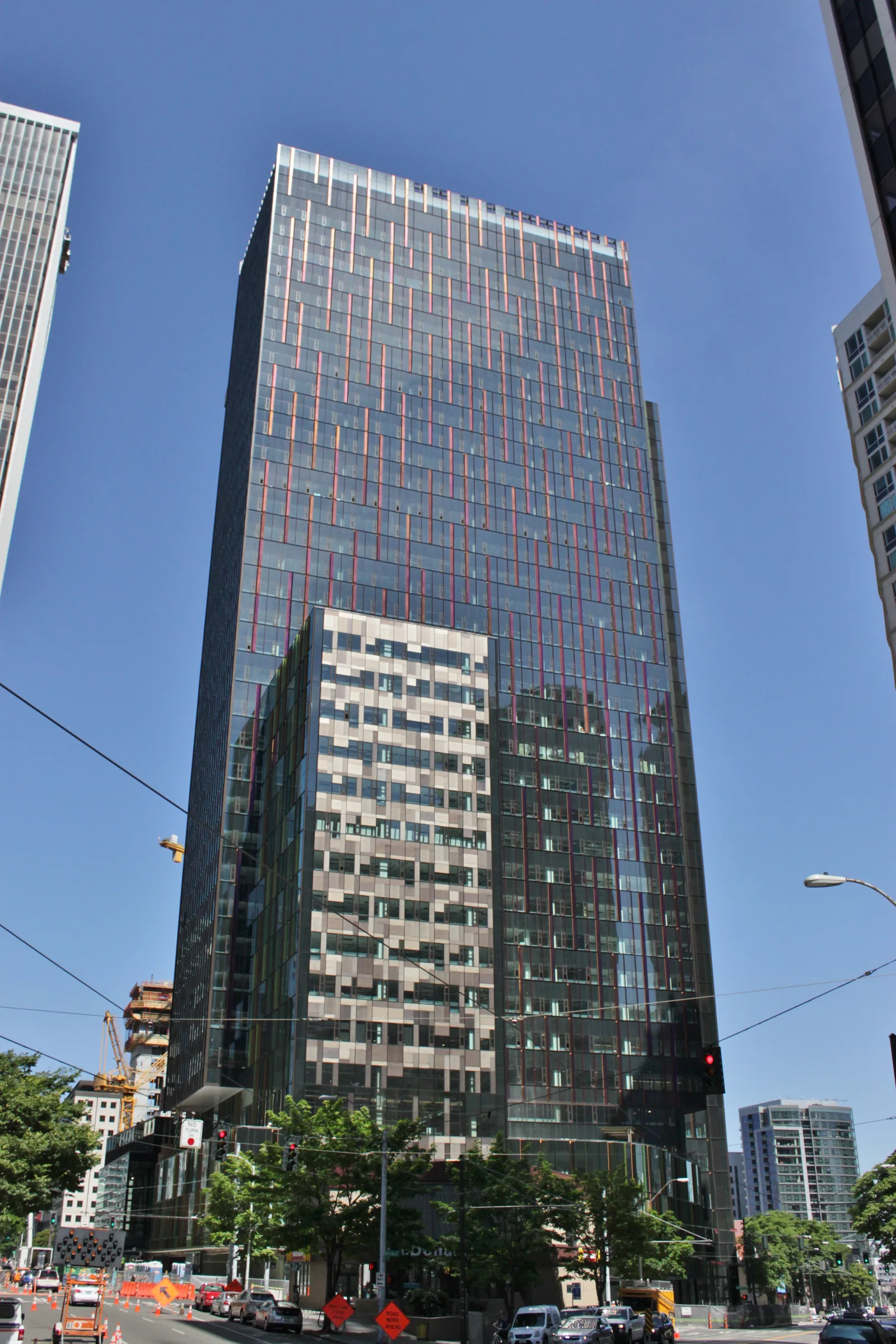 File photo
What happened
Key facts
- The Federal Trade Commission settlement with Amazon is worth $2.5 billion (per abc11.com).
- Amazon began sending the first round of automatic refunds to qualified customers in early October (per abc11.com, demokratis.co.id).
- The FTC accused Amazon of enrolling millions of consumers in Prime without their knowledge or consent and making it difficult to cancel (per abc11.com, demokratis.co.id).
- The refund amount could reach $200 (per abc11.com).
- To qualify, a customer must have signed up between June 23, 2019 and June 23, 2025, tried unsuccessfully to cancel online during that period, and used no more than 20 Prime benefits during a 12-month period (per abc11.com).
- Customers who previously received $51 through an earlier settlement might still receive the $149 difference (per abc11.com).
The brief
Amazon has started sending automatic refunds to qualifying Prime customers under a $2.5 billion settlement with the Federal Trade Commission, according to ABC11.com. The first payments went out in early October, and eligible customers could receive as much as $200. ABC11.com says payments will arrive through Venmo, PayPal or a mailed check.
The FTC accused Amazon of signing up millions of consumers for Prime without their knowledge or consent and making cancellation difficult. The settlement followed those allegations. The account describes the FTC’s claims but does not include a statement from Amazon.
The eligibility rules described by ABC11.com cover customers who enrolled between June 23, 2019, and June 23, 2025. They must have tried and failed to cancel their membership online during that span and used no more than 20 Prime benefits, including Prime Video and Amazon Music Prime, within a 12-month period.
Customers meeting those conditions do not need to file a claim or submit paperwork, the outlet says. The refunds are being sent automatically, but recipients have a limited period to access the funds: each payment must be redeemed within 60 days of its issue date. Some customers may have already received money through an earlier settlement.
ABC11.com says those who received $51 could still qualify for the $149 difference, bringing the total to $200. That additional amount is described as a possibility, not a guaranteed payment for every prior recipient. The Clarion-Ledger’s headline also asks whether customers could receive a $200 Amazon refund under the $2.5 billion settlement.
Demokratis.co.id’s headline says Amazon has begun Prime refunds under the FTC settlement. The customer criteria, payment methods and redemption window described above are the details ABC11.com gives for the refund process.
Why it matters
- Eligible Amazon Prime customers could receive up to $200 through automatic payments, without filing a claim or paperwork.
- The refund process uses Venmo, PayPal or mailed checks, and recipients have 60 days from the issue date to redeem a payment.
- Customers who previously received $51 through an earlier settlement might still qualify for the $149 difference.
What to watch next
- Whether customers who meet the stated eligibility conditions receive automatic payments through Venmo, PayPal or mailed checks.
- Whether recipients redeem their payments within the 60-day period after each payment’s issue date.
- Whether customers who previously received $51 receive the possible $149 difference.
How it's being covered
Coverage analysisShow details4 source articles · 4 unique outlets · 3 distinct reportsOutlet political mix: Too few rated· 2 Center · 2 unratedWhere the outlets are based: US/Canada 50% · Unknown 50%
How outlets' accounts compare
Timeline
Developments from this story's sources, dated background we compiled and fact-checked, and our earlier coverage. Each row says which.- Congress enacted the Federal Trade Commission Act, whose Section 5 bars unfair or deceptive acts or practices.Background · compiled and fact-checked by Updat3
- Amazon launched Prime in 2005 as a paid membership centered on free two-day shipping.Background · from our historical context
- The dispute drew on the Restore Online Shoppers’ Confidence Act (ROSCA), enacted in 2010, which requires clear disclosure of subscription terms, consumers’ informed consent, and a simple way to stop recurring charges.Background · from our historical context
- Filed on June 21, 2023, in federal court in Seattle, the complaint alleged that Amazon used deceptive design to enroll consumers without informed consent and made cancellation difficult; Amazon disputed the allegations.Background · from our historical context
- The case ended in a settlement announced on September 25, 2025.Background · from our historical context
How we got here
The immediate backdrop was the Federal Trade Commission’s 2023 lawsuit against Amazon over how customers enrolled in and canceled Prime. Filed on June 21, 2023, in federal court in Seattle, the complaint alleged that Amazon used deceptive design to enroll consumers without informed consent and made cancellation difficult; Amazon disputed the allegations.
The case ended in a settlement announced on September 25, 2025. The dispute drew on the Restore Online Shoppers’ Confidence Act (ROSCA), enacted in 2010, which requires clear disclosure of subscription terms, consumers’ informed consent, and a simple way to stop recurring charges.
Original sources
2 of 4 articles · Unknown · Show allEvery story links to the reporting it was built from. How we choose sources
Spotted a factual error, a broken link or a misleading summary? Tell us.