
Amit Shah reviews Delhi policing as July protest scrutiny looms
Amit Shah visited Delhi Police headquarters on Saturday to review law and order in the capital, with several outlets also reporting the visit. Hindustan Times said the meeting came as the force faced scrutiny over its handling of a July protest.
AI-assisted synthesis · Based on 6 outlets' reporting · Article text read from 2 of 6 outletsHow it's made
View timeline · 7 entries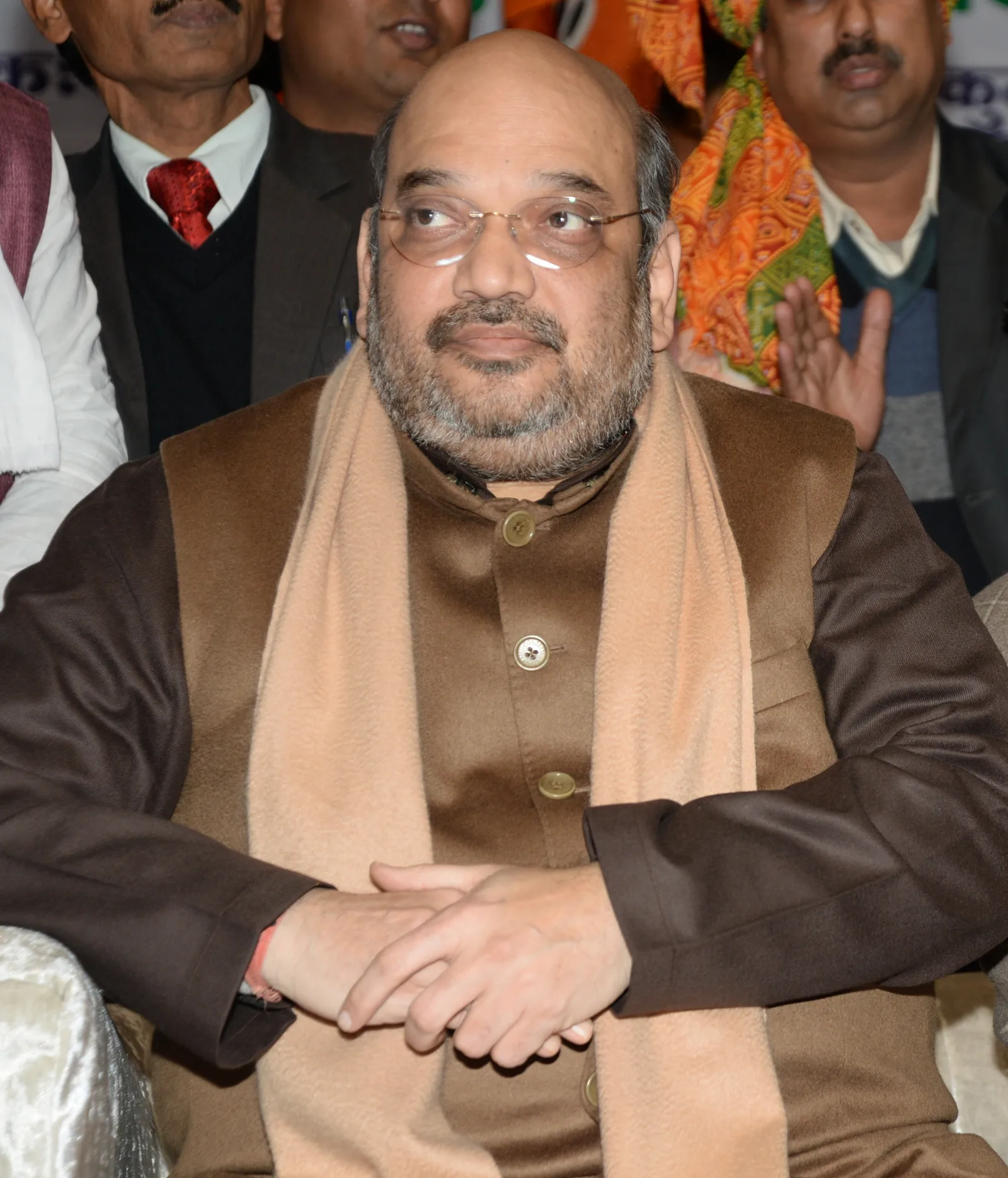 File photo
What happened
Key facts
- Hindustan Times said the visit came as Delhi Police faced scrutiny over its handling of a July protest (per Hindustan Times, The Times of India, lokmattimes.com).
- The meeting continued for around three hours, and Shah left at 6 pm (per The Indian Express, Hindustan Times).
- Recent protests by the Cockroach Janta Party, the fight against drugs, action against gangsters operating from abroad, and crimes against women were likely to be discussed, according to police sources (per Hindustan Times).
- Senior officers were expected to brief Shah on police performance, ongoing investigations, and law-enforcement challenges (per Hindustan Times, The Indian Express).
- Shah's previous visit to Delhi Police headquarters was on August 30, 2022 (per The Indian Express, Hindustan Times).
The brief
Amit Shah visited Delhi Police headquarters on Saturday for a review of law and order in the capital, with Hindustan Times linking the visit to scrutiny of the force's handling of a July protest. The Times of India, The Hindu and Lokmat Times also reported the visit as focused on law and order, while ANI reported that Shah was expected to discuss the issue.
Shah arrived at the headquarters on Jai Singh Road around 3 pm. The Indian Express reported that the meeting lasted about three hours and that Shah left at 6 pm. Hindustan Times said senior officers were expected to brief him on police performance, ongoing investigations and law-enforcement challenges.
Hindustan Times reported that the recent Cockroach Janta Party protests, anti-drug efforts, action against gangsters operating from abroad and crimes against women were likely to figure in discussions, citing police sources.
Those topics indicate the range of policing matters identified ahead of the review; the report did not say which subjects Shah or the officers ultimately addressed. The coverage gives different emphasis to the reason for the meeting.
Hindustan Times connects it to pressure over police handling of a July protest, while The Indian Express and the headline reports from The Times of India, The Hindu and Lokmat Times describe a broader law-and-order review. The available accounts do not provide details of the protest or set out the force's handling of it.
A caption in Hindustan Times identifies Delhi Chief Minister Rekha Gupta as attending a review meeting with Shah at the headquarters. The same outlet said senior police officers were expected to brief Shah, but neither the caption nor the report describes Gupta's role in the discussions.
Shah's last visit to the headquarters was on August 30, 2022, according to The Indian Express and Hindustan Times. The Indian Express said the Saturday visit marked his return after more than four years. The reports do not identify decisions made at the meeting or announce new policing measures.
Why it matters
- Delhi residents are directly affected by the law-and-order issues named for discussion, including crimes against women and drug enforcement.
- The Cockroach Janta Party protests and scrutiny of police handling of a July protest put the force's conduct under public attention, according to Hindustan Times.
- The review included expected briefings on ongoing investigations and police performance, areas that could shape how Delhi Police addresses the listed challenges.
What to watch next
- Whether Delhi Police announces or describes any measures following the review.
- Whether police officials provide further details about their handling of the July protest cited by Hindustan Times.
- Whether senior officers disclose which ongoing investigations or law-enforcement challenges they briefed Shah on.
How it's being covered
Coverage analysisShow details6 source articles · 6 unique outletsOutlet political mix: Mostly Center· 5 Center · 1 RightWhere the outlets are based: Asia 100%
- Coverage is currently concentrated among Center-rated outlets (5 of 6 rated sources); comparatively few Left-rated outlets have published on the event.
- Coverage is currently concentrated among outlets based in Asia (6 of 6 geographically-identified sources).
How outlets' accounts compare
1 framing difference · 3 uncorroborated claims · 2 information gaps- Hindustan Times connects the visit to scrutiny over Delhi Police's handling of a July protest; The Indian Express and the headline reports from The Times of India, The Hindu and Lokmat Times frame it as a general law-and-order review.
- Hindustan Times links the visit to scrutiny over a July protest; the other supplied accounts describe a law-and-order review without that connection.
- Hindustan Times describes a July protest as prompting scrutiny but provides no details here about the protest or the force's handling of it.
- Hindustan Times said the force faced scrutiny over its handling of a July protest.
- The sources do not describe the July protest, the specific police actions under scrutiny, or the outcome of any review of those actions.
- The sources do not report decisions made at the meeting or measures announced afterward.
Timeline
Developments from this story's sources, dated background we compiled and fact-checked, and our earlier coverage. Each row says which.- Amit Shah was born in Mumbai.Background · compiled and fact-checked by Updat3
- Parliament enacted the Delhi Police Act, establishing the force’s legal framework.Background · compiled and fact-checked by Updat3
- Parliament enacted the Government of National Capital Territory of Delhi Act.Background · compiled and fact-checked by Updat3
- The Supreme Court clarified the limits of Delhi’s elected government in Government of NCT of Delhi v. Union of India on July 4, 2018.Background · from our historical context
- Amit Shah took office as Union Home Minister.Background · compiled and fact-checked by Updat3
- Shah's previous visit to Delhi Police headquarters was on August 30, 2022.
- In May 2023, another Constitution bench ruled that Delhi’s elected government controlled most civil services but not services connected with public order, police or land.Background · from our historical context
How we got here
A July protest in Delhi drew scrutiny of the police force’s handling of demonstrations before Amit Shah’s visit to its headquarters. Shah’s previous visit to the headquarters was on August 30, 2022. The Government of National Capital Territory of Delhi Act, 1991, established the statutory framework for the capital’s elected government while preserving those exclusions.
The Supreme Court clarified the limits of Delhi’s elected government in Government of NCT of Delhi v. Union of India on July 4, 2018. A Constitution bench held that the elected government had authority over matters within its jurisdiction, while police remained outside that jurisdiction.
Original sources
6 articles from 6 outletsEvery story links to the reporting it was built from. How we choose sources
Spotted a factual error, a broken link or a misleading summary? Tell us.