
Apple asks San Diego court to overturn $5.7B verdict in Taction haptic patent case
Apple asked a federal court in San Diego to overturn a $5.7 billion jury verdict finding that its haptic technology infringed two patents owned by Taction. The company said the damages methodology, technical testing and patent validity were flawed and that a damages expert’s analysis had been excluded before trial.
AI-assisted synthesis · Based on 4 outlets' reporting · Full text read from 2 of 4 outletsHow it's made
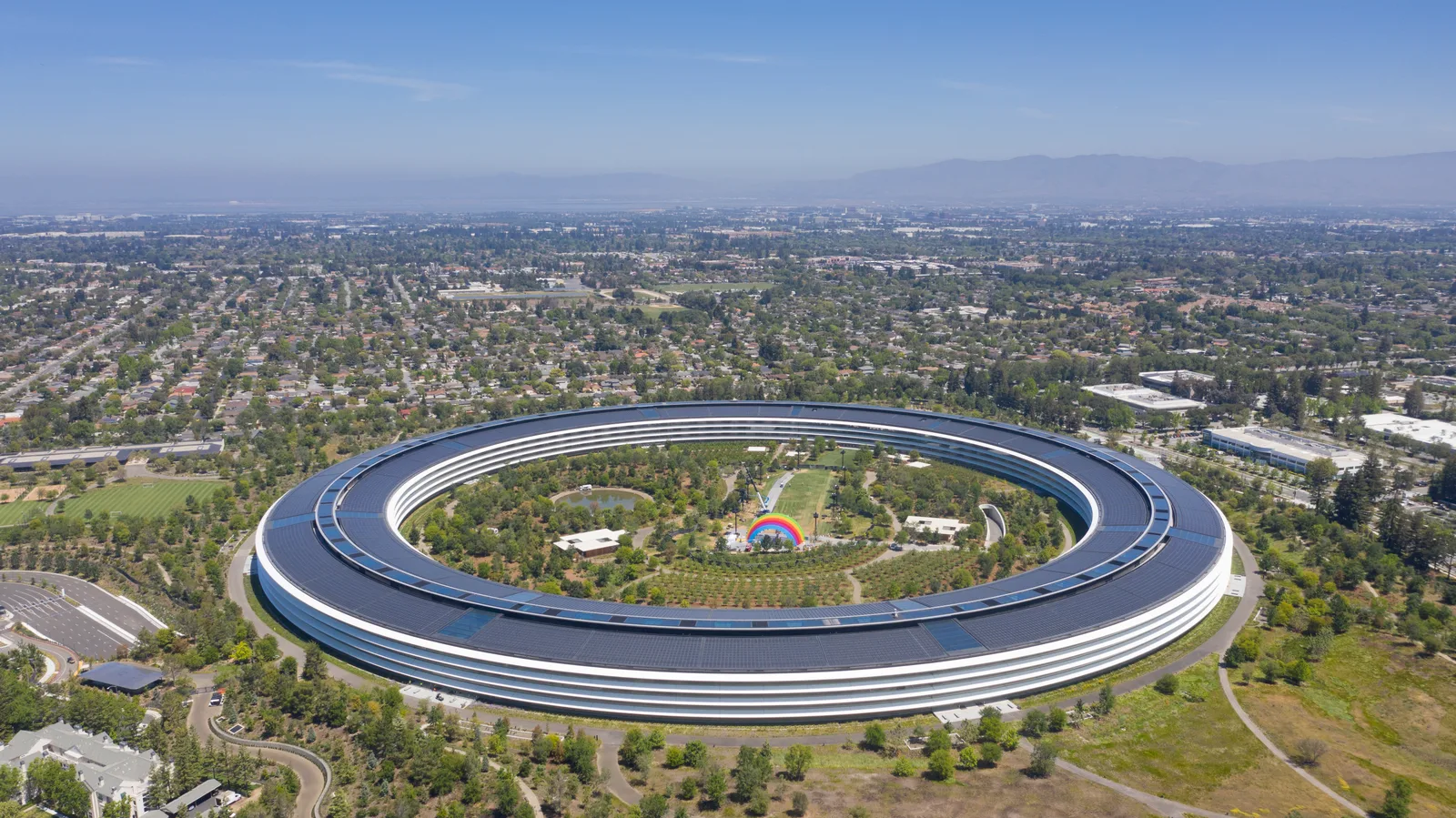 File photo
What happened
Key facts
- Apple asked a federal court in San Diego to overturn a $5.7 billion jury verdict in a patent dispute with Taction Technology (per storyboard18.com, rswebsols.com).
- A jury on September 25 found that Apple’s technology infringed two patents held by Taction (per storyboard18.com).
- Apple said the court excluded the damages expert’s royalty calculation before trial because of flaws in the methodology based on an earlier licensing agreement (per storyboard18.com).
- rswebsols.com reported that the case began in 2021 and that Judge Todd Robinson reportedly questioned whether the sum on the verdict form reflected the jury’s intent (per rswebsols.com).
The brief
Apple has asked a federal court in San Diego to overturn a $5.7 billion jury verdict in a patent infringement case brought by Taction Technology. The suit, filed in 2021, contends that Apple’s Taptic Engine and related haptic systems used in iPhones and Apple Watches infringe two patents that cover damped, electromagnetically driven vibrations used for tactile feedback.
A jury found infringement on September 25 and set damages at $5.7 billion; Apple now argues the verdict should be set aside or vacated.
Apple’s petition challenges the jury’s damages methodology, the technical testing relied upon at trial and the validity of the patents, and it notes that a damages expert’s analysis was excluded before trial because the court concluded the royalty-calculation method was flawed.
Taction has maintained its claim that Apple appropriated its concepts for haptic feedback; the reporting identifies Taction as a San Diego-based company that integrates haptic systems into headphones and gaming accessories.
One account in the record says Judge Todd Robinson expressed uncertainty about whether the figure on the verdict form matched the jury’s intent prior to the public announcement of the verdict. The filings therefore raise two distinct legal fights: whether the patents are valid and infringed, and whether the damages award rests on admissible methodology and evidence.
Apple has asked the court to overturn the judgment; the sources do not report a court ruling on that motion. Coverage differs in emphasis: some reports stress Apple’s challenge to the damages expert and excluded royalty analysis, while another account emphasizes the scale of the award and the judge’s reported comment about the verdict form.
The litigation follows years of high-value patent litigation in the tech sector in which large jury awards are often reduced or reversed on post-trial motions or appeal, but the sources here do not report a final outcome or any appellate decision in this matter.
Why it matters
- Concrete costs fall on Apple and Taction through litigation outcomes: a $5.7 billion damages award would impose a major financial liability on Apple if upheld, and overturning the award would preserve Apple’s financial position.
- The mechanism of harm to Apple’s finances is a jury damages award tied to alleged patent royalties and product sales, and Apple disputes the expert methodology used to compute that royalty base.
- Taction’s commercial interest is protecting and monetizing patents covering haptic systems used in consumer devices; the company’s claim targets Apple’s Taptic Engine, a core component in iPhones and Apple Watches.
- A court decision upholding or overturning the verdict will affect how royalties and damages are calculated in future haptic and consumer-technology patent disputes, since Apple specifically contested the admissibility of the damages expert’s royalty method.
What to watch next
- Whether the federal court in San Diego grants Apple’s motion to overturn or vacate the $5.7 billion verdict.
- Whether the court addresses the admissibility and methodology of the excluded damages expert’s royalty calculation.
- Whether the court rules on the validity of the two Taction patents or narrows the infringement findings.
- Whether either party files an appeal if the San Diego court issues a post-trial ruling on Apple’s motion.
How it's being covered
Coverage analysisShow details4 source articles · 4 unique outletsCoverage mix: Too few rated· 2 CenterWhere the outlets are based: Global 50% · Asia 25% · Other 25%
One source is from a wire service (AP, Reuters, AFP or Bloomberg), whose reporting other outlets often republish.
How outlets' accounts compare
2 framing differences · 4 uncorroborated claims · 4 information gaps- rswebsols.com emphasizes the size of the award and characterizes it as the largest patent award in U.S. history; storyboard18.com emphasizes Apple’s legal challenges to damages methodology, technical testing and patent validity.
- storyboard18.com attributes Apple’s grounds for seeking reversal to challenges to damages methodology, technical testing and patent validity; rswebsols.com attributes a judicial comment about the verdict form to Judge Todd Robinson but phrases it as 'reportedly.'
- Only one figure appears for damages: $5.7 billion, cited by rswebsols.com, storyboard18.com and the headlines H1 and H2; there are no conflicting figures in these sources.
- All sources present Apple’s court filing as a legal challenge to the jury verdict; rswebsols.com frames the judge’s reported remark as occurring before the verdict was publicly announced, a sequencing detail not present in storyboard18.com.
- rswebsols.com claims the $5.7 billion award is the largest patent award in U.S. jurisdiction history.
- storyboard18.com reports that Apple said the court had excluded the damages expert’s analysis before trial because of flaws in the royalty-calculation method.
- No report Updat3 read provides post-trial rulings on Apple’s motion or any appellate filings or schedules following Apple’s request to overturn the verdict.
- No source supplies detailed information on how the $5.7 billion damages were calculated line-by-line or the specific products, time periods or royalty rates used.
- No source provides independent verification of the jury’s damages computation or third-party analysis of the patents’ technical scope.
- rswebsols.com reports that Judge Todd Robinson 'reportedly' questioned whether the figure on the verdict form represented the jury’s intent; storyboard18.com does not report that judicial remark.
How we got here
On June 2026, a federal jury in San Diego returned a multi‑billion‑dollar verdict in a patent infringement trial involving Taction, creating the immediate legal posture that led to subsequent filings in the district court.
The legal framework for that trial rested on the Patent Act, codified at 35 U.S.C. (1952), and on procedural rules for federal trials under the Federal Rules of Civil Procedure (adopted 1938). Appeals from the San Diego district court would go to the U.S. Court of Appeals for the Federal Circuit (established 1982), which has long shaped national patent‑damages law.
Original sources
4 articles from 4 outletsEvery story links to the reporting it was built from. How we choose sources
Spotted a factual error, a broken link or a misleading summary? Tell us.