
Australia sends ESA a counteroffer for Bennell-Pegg’s 2028 spaceflight
Australia’s federal government has offered the European Space Agency a counterproposal for a 2028 mission to send Katherine Bennell-Pegg to the International Space Station. Science Minister Tim Ayres said the ESA’s original offer would have cost more than $100 million, while the government has not disclosed its counteroffer’s value.
AI-assisted synthesis · Based on 5 outlets' reporting · Article text read from 1 of 5 outletsHow it's made
View timeline · 6 entries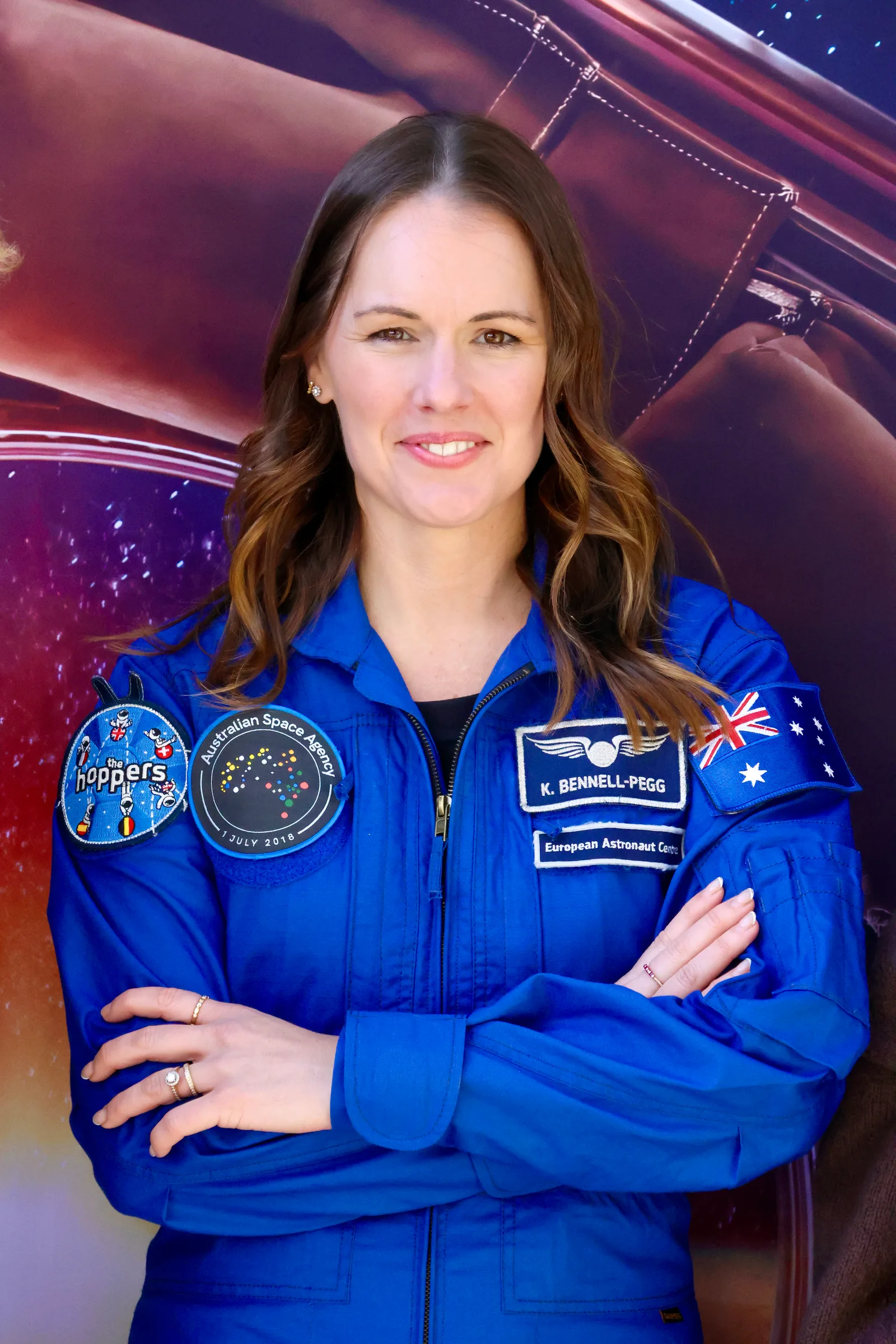 File photo
What happened
Key facts
- Australia has made a counteroffer to the European Space Agency for a spaceflight involving Katherine Bennell-Pegg (per The Sydney Morning Herald, australianaviation.com.au, spaceanddefense.io).
- The proposed mission would send Katherine Bennell-Pegg to the International Space Station in 2028 (per The Sydney Morning Herald, spaceanddefense.io).
- Science Minister Tim Ayres said the European Space Agency’s original offer would have cost Australia more than $100 million (per The Sydney Morning Herald).
- The government has not disclosed the value of its counteroffer, which Tim Ayres said was designed to manage competing budget pressures (per The Sydney Morning Herald).
- The European Space Agency was expected to decide whether to accept Australia’s counteroffer later that year (per The Sydney Morning Herald).
- The proposed mission would mark the first time an astronaut travels to space under the Australian flag (per The Sydney Morning Herald).
The brief
Australia’s federal government has offered the European Space Agency a counterproposal for a 2028 mission to send Katherine Bennell-Pegg to the International Space Station. The Sydney Morning Herald reported that the government acted after Science Minister Tim Ayres said the agency’s original offer would cost Australia more than $100 million.
The government has not disclosed the amount of its proposed counteroffer. Ayres said the counteroffer was intended to manage competing budget pressures. The proposed mission would be the first time an astronaut flies to space under the Australian flag.
The government’s offer therefore concerns both Bennell-Pegg’s proposed flight and the stated national flag milestone, while its financial terms remain undisclosed. The Sydney Morning Herald reported that Ayres thanked philanthropists who had committed more than $6 million in cash, alongside in-kind support. He also referred to indicative support from some state governments.
Those commitments and expressions of support are part of the funding picture described by the minister, but the government has not published the counteroffer’s value. A fundraising campaign called #flykatherine began after the European Space Agency made its offer in May, according to the Sydney Morning Herald.
The campaign followed the agency’s proposal and sits alongside the philanthropic and state-government support Ayres described. The article does not state how much the campaign itself raised. The Sydney Morning Herald reported that the European Space Agency was expected to decide later that year whether to accept Australia’s counteroffer.
That decision would determine whether the proposed 2028 flight proceeds under the terms now being negotiated. The outlet did not give a specific decision date.
The Guardian’s headline also describes Australia as offering Bennell-Pegg for an International Space Station mission, while Australian Aviation and Space Connect characterize the government’s move as an offer or counteroffer to the agency. Space & Defense’s headline identifies the planned flight as a 2028 ISS mission and says funding negotiations continue.
The Sydney Morning Herald’s account provides the cost estimate, philanthropic support and expectation of an ESA decision; those details are attributed to Ayres or the outlet’s reporting.
Why it matters
- Australian taxpayers are exposed to a funding decision: Ayres said the ESA’s original proposal would cost more than $100 million, while the government has not disclosed its counteroffer’s value.
- Philanthropists have committed more than $6 million in cash, plus in-kind support, and some state governments have indicated support, according to Ayres.
- The proposed International Space Station mission would be the first time an astronaut flies to space under the Australian flag.
What to watch next
- Whether the European Space Agency accepts Australia’s counteroffer; the agency was expected to decide later that year.
- Whether the government discloses the counteroffer’s value.
- Whether the proposed 2028 mission to send Katherine Bennell-Pegg to the International Space Station proceeds.
How it's being covered
Coverage analysisShow details5 source articles · 5 unique outletsOutlet political mix: Too few rated· 1 Left · 1 Center · 3 unratedWhere the outlets are based: Asia 60% · Europe 20% · Other 20%
How outlets' accounts compare
Timeline
Developments from this story's sources, dated background we compiled and fact-checked, and our earlier coverage. Each row says which.- Paul Scully-Power, born in Sydney and then serving in the U.S. Navy, flew as a payload specialist on NASA’s STS-41-G mission in October 1984.Background · from our historical context
- Andy Thomas, born in Adelaide, first flew into space on NASA’s STS-77 mission in May 1996.Background · from our historical context
- The United States, Russia, Canada, Japan and European Space Agency partners signed the International Space Station Intergovernmental Agreement.Background · compiled and fact-checked by Updat3
- Australia established the Australian Space Agency on July 1, 2018, with a mandate to grow the country’s space sector and coordinate its civil space activities.Background · from our historical context
- The Australian Space Agency had selected her as an astronaut candidate in 2023, creating a path toward a flight that would depend on international cooperation rather than an Australian crewed-spaceflight program.Background · from our historical context
- In March 2024, Katherine Bennell-Pegg completed basic astronaut training at the European Astronaut Centre in Germany, becoming the first Australian to graduate from an astronaut-training program run by a space agency.Background · from our historical context
How we got here
In March 2024, Katherine Bennell-Pegg completed basic astronaut training at the European Astronaut Centre in Germany, becoming the first Australian to graduate from an astronaut-training program run by a space agency.
The Australian Space Agency had selected her as an astronaut candidate in 2023, creating a path toward a flight that would depend on international cooperation rather than an Australian crewed-spaceflight program. Australia established the Australian Space Agency on July 1, 2018, with a mandate to grow the country’s space sector and coordinate its civil space activities.
Original sources
3 of 5 articles · Asia · Show allEvery story links to the reporting it was built from. How we choose sources
Spotted a factual error, a broken link or a misleading summary? Tell us.