
Australia considers Iron Dome interceptors for planned missile defence
Australia is assessing Iron Dome interceptors for a planned ground-based missile shield, with a system recommendation due next year after a competitive process. The capability would support plans to protect military bases and critical infrastructure.
AI-assisted synthesis · Based on 5 outlets' reporting · Article text read from 1 of 5 outletsHow it's made
View timeline · 6 entries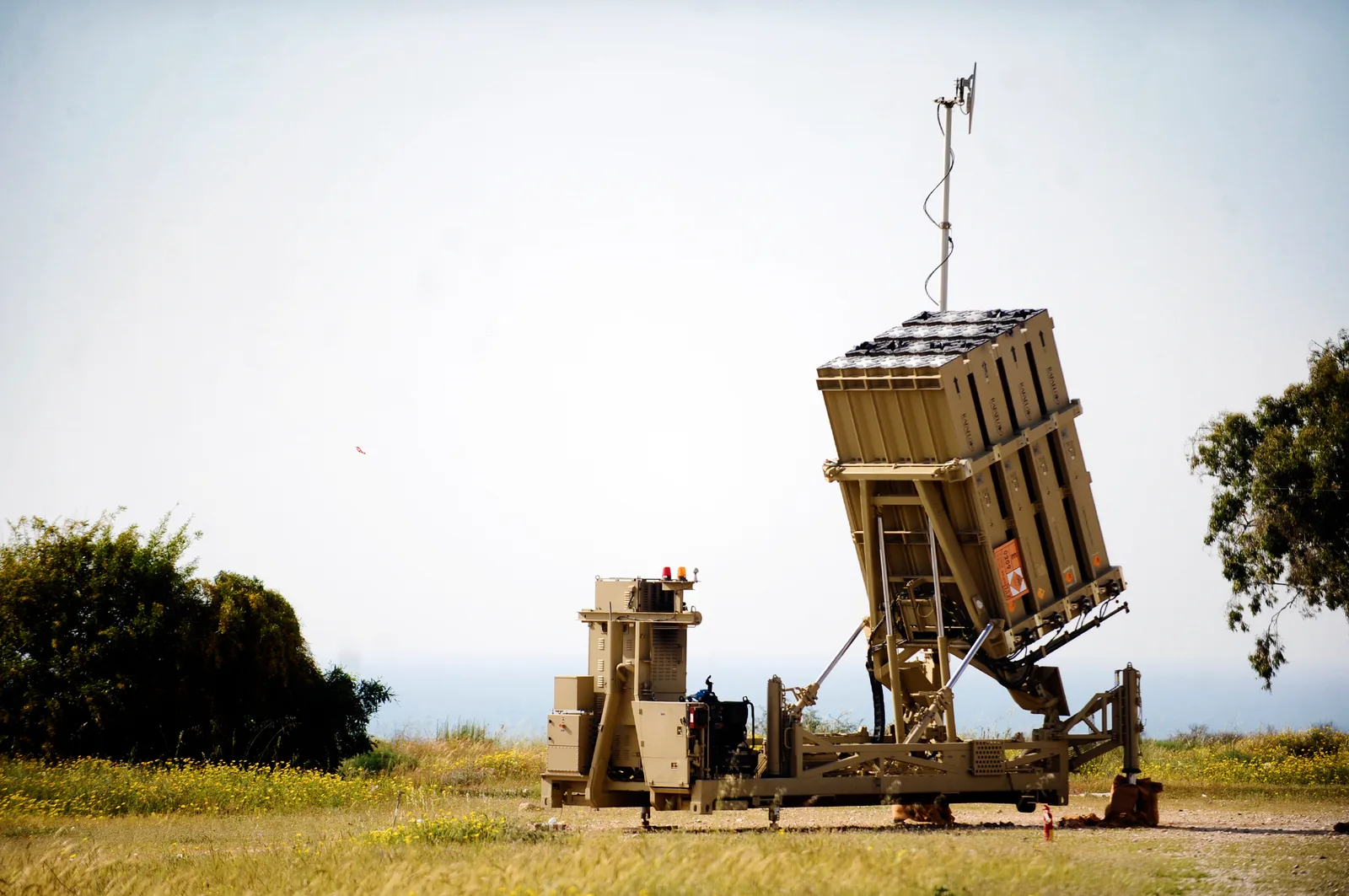 File photo
What happened
Key facts
- Australia is considering purchasing interceptors for its planned missile or air defence capability (per The Times of India, The Jerusalem Post, The Times of Israel).
- The interceptors under consideration were developed for Israel’s Iron Dome (per The Times of India, The Times of Israel, laodong.vn).
- Australian defence officials said they aimed to establish a ground-based missile defence system by the early 2030s (per The Times of India).
- Defence officials told a parliamentary committee on Thursday that Australia was considering the interceptors as part of efforts to establish an air defence system (per The Times of India).
- Rafael said Iron Dome had recorded more than 10,000 successful interceptions since 2011, with a success rate exceeding 90 per cent (per The Times of India).
The brief
Australia is considering buying interceptors developed for Israel’s Iron Dome as it plans a ground-based missile defence capability. The Times of India reported that defence officials told a parliamentary committee on Thursday that the interceptors were being considered as part of efforts to establish an air defence system.
The consideration is not a final purchase decision: Air Marshal Robert Chipman said the defence force would recommend a system to the government after a competitive selection process. Australian defence officials said the aim was to have a ground-based missile defence system in place by the early 2030s.
The Times of India said officials cited lessons from rapidly changing warfare in Ukraine and the Middle East. The outlet did not specify what particular operational lessons officials drew or how those lessons would shape the system’s requirements. The selection process is linked to the Talisman Sabre military exercise in 2027, according to the Times of India.
Chipman said recommendations would go to the government next year. The account does not identify the date on which the committee heard the officials or give a calendar year for that recommendation, so the sequence is described using the outlet’s wording.
Government minister Murray Watt told the committee that the government would seek the “most suitable military technology.” His statement described the government’s selection approach but did not confirm that it had chosen Iron Dome or committed to acquiring its interceptors.
The Times of India reported that Australia is considering them, while the decision remains subject to the competitive process and the defence force’s recommendation. The Times of India attributed performance figures for Iron Dome to Rafael: more than 10,000 successful interceptions since 2011 and a success rate above 90 per cent.
Those figures are Rafael’s reported assessment of the system; the account does not provide a separate evaluation or explain the conditions under which the interceptions were counted. The Jerusalem Post’s headline identifies the interceptor under consideration as Tamir.
The Times of Israel, Laodong.vn and SBS also describe Australia as considering or weighing an Iron Dome-related interceptor purchase, with SBS characterising it as an Iron Dome-style option for an air defence shield.
Those headlines corroborate that a purchase is under consideration, but they do not supply further details about the committee discussion, selection criteria or a final choice.
Why it matters
- The proposed capability would be a ground-based missile defence system; officials set the stated goal of having it in place by the early 2030s.
- The choice is not settled: Air Marshal Robert Chipman said the defence force would recommend a system after a competitive selection process.
- Rafael’s stated performance figures—more than 10,000 successful interceptions since 2011 and a success rate above 90 per cent—are part of the public account of Iron Dome, but are attributed to the company.
What to watch next
- Whether the defence force makes its recommendation to the government next year, as Air Marshal Robert Chipman said it would.
- Which systems proceed through the competitive selection process and what choice the government makes.
- How the 2027 Talisman Sabre military exercise relates to the selection process.
How it's being covered
Coverage analysisShow details5 source articles · 5 unique outletsOutlet political mix: Mostly Center· 3 Center · 1 Right · 1 unratedWhere the outlets are based: Middle East 40% · Asia 40% · Other 20%
- Coverage is currently concentrated among Center-rated outlets (3 of 4 rated sources); comparatively few Left-rated outlets have published on the event.
How outlets' accounts compare
Timeline
Developments from this story's sources, dated background we compiled and fact-checked, and our earlier coverage. Each row says which.- The broader history of modern missile defence also includes the United States’ Patriot system, first deployed in 1984.Background · from our historical context
- Israel’s government approved the system’s development in February 2007, and Rafael Advanced Defense Systems led the project with Israel Aerospace Industries.Background · from our historical context
- Iron Dome made its first operational interception, destroying a rocket over Ashkelon.Background · compiled and fact-checked by Updat3
- Australia released its Defence Strategic Update, warning that it could no longer rely on a ten-year warning period before a major conflict.Background · compiled and fact-checked by Updat3
- In 2023, the Defence Strategic Review, led by former defence chief Angus Houston and former defence minister Stephen Smith, recommended a “focused force” designed for Australia’s strategic circumstances.Background · from our historical context
- Australia released its National Defence Strategy, calling for stronger integrated air and missile defence.Background · compiled and fact-checked by Updat3
How we got here
Australia’s 2024 National Defence Strategy, released on 17 April, called for stronger integrated air and missile defence as part of a broader shift toward defending the country and its approaches.
It followed the 2023 Defence Strategic Review, which recommended a more focused defence force and identified the need to protect Australia’s northern bases and critical infrastructure. Those policy documents established the planning context for Australia’s subsequent work on ground-based air defence.
Original sources
5 articles from 5 outletsEvery story links to the reporting it was built from. How we choose sources
Spotted a factual error, a broken link or a misleading summary? Tell us.