
Nirit Eylon travels from Melbourne to vote against Netanyahu
Nirit Eylon is travelling from Melbourne to Tel Aviv to vote in Israel’s upcoming election after not voting in an Israeli election since moving to Australia. Eylon said she had spent at least $2,000 on plane tickets and wants Benjamin Netanyahu to leave office.
AI-assisted synthesis · Based on 2 independent reports from 3 outlets · Article text read from 1 of 2 reportsHow it's made
View timeline · 9 entries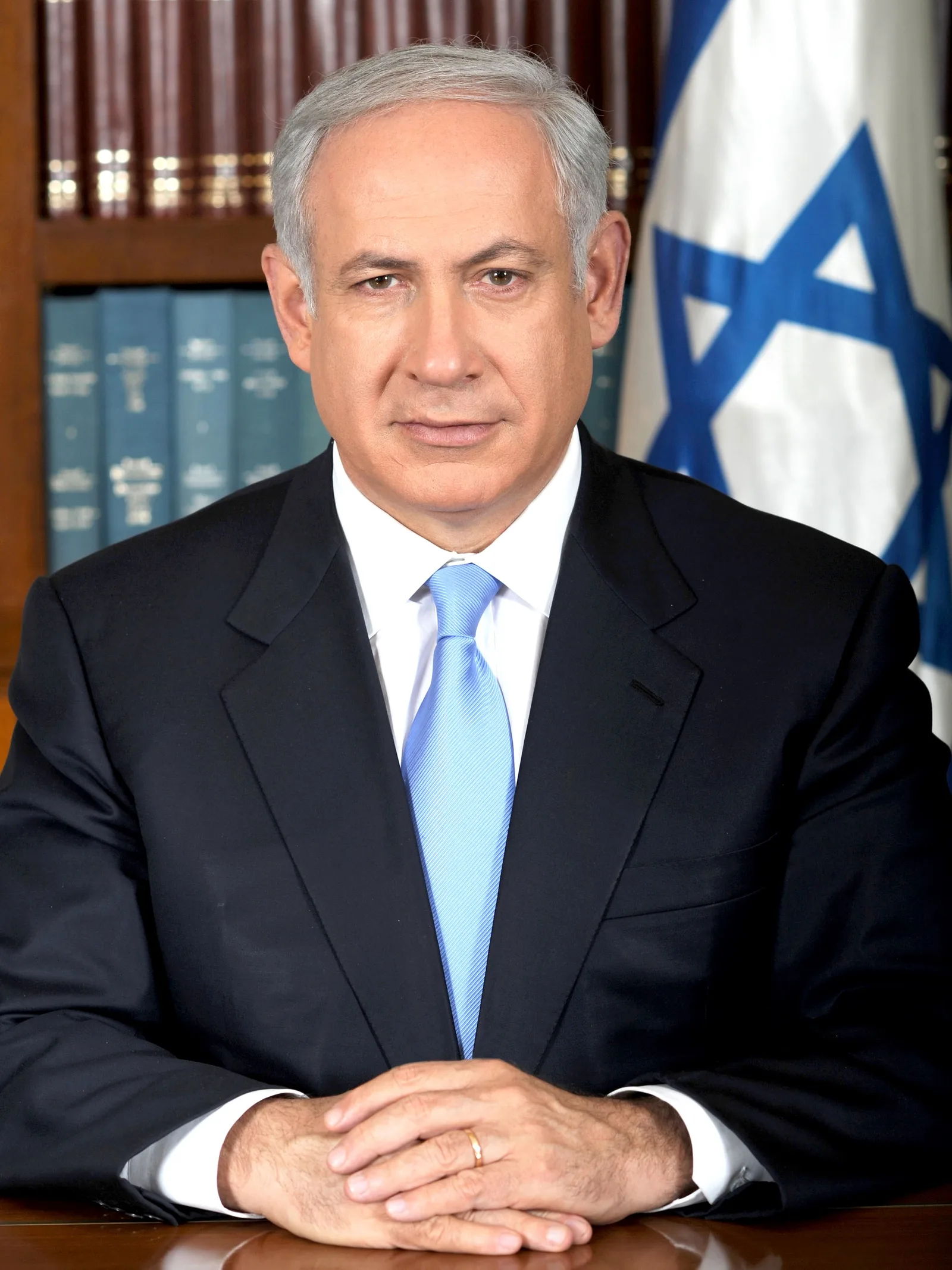 File photo
What happened
Key facts
- Nirit Eylon is travelling from Melbourne to Tel Aviv to vote in Israel’s upcoming election (per The Sydney Morning Herald).
- Eylon had not voted in an Israeli election since moving to Australia (per The Sydney Morning Herald).
- Eylon said she had spent at least $2,000 on plane tickets for the trip (per The Sydney Morning Herald).
- Eylon is president of Hatikvah Australia (per The Sydney Morning Herald).
- Eylon said Netanyahu should leave office and coalition partners Itamar Ben-Gvir and Bezalel Smotrich should leave government (per The Sydney Morning Herald).
- The Sydney Morning Herald excerpt says Israelis may reject Netanyahu in the election on October 27 (per The Sydney Morning Herald).
The brief
Nirit Eylon is travelling from Melbourne to Tel Aviv to vote in Israel’s upcoming election, the Sydney Morning Herald reports. She has not voted in an Israeli election since moving to Australia. Eylon, president of Hatikvah Australia, said she had spent at least $2,000 on plane tickets for the journey.
Eylon’s stated political aim is to oppose Benjamin Netanyahu at the ballot box. She said Netanyahu should leave office and that his coalition partners Itamar Ben-Gvir and Bezalel Smotrich should also leave government. Those positions are her own; the account does not present them as a description of a settled election result.
The newspaper’s excerpt places the vote on October 27 and describes a hope among supporters of progressive Zionism that voters will reject Netanyahu. It gives no result, so the election remains ahead in the account. Eylon’s journey is one concrete example of an Australian-based voter travelling to participate in the contest.
The excerpt says Eylon emigrated from Israel in 2006 after developing an affection for Australia during a work visit. It describes her as a former professional swimming coach. Her return trip therefore links her current life in Melbourne with a vote in Israel, where she intends to cast a ballot against the incumbent prime minister.
The Sydney Morning Herald also places the election story alongside conditions in Australia’s Jewish community. It says that community has faced a surge in antisemitism since the October 7 attacks of 2023 and the war in Gaza.
The excerpt includes a speaker’s description of being Israeli as having become “a radioactive term” since October 7, but does not identify the speaker clearly in the quoted passage.
The excerpt further says Australians’ views of Israel have been shaped largely by footage of the Israeli military’s attacks in Gaza, settler violence in the West Bank and Ben-Gvir’s treatment of detained pro-Palestinian activists, as described in the account. It also says Israel has been accused of genocide at the International Court of Justice.
These points provide the report’s broader context for Eylon’s political position; they do not establish how voters will decide or what the election outcome will be.
Why it matters
- Eylon’s trip carries a direct financial cost: she said she spent at least $2,000 on plane tickets from Melbourne to Tel Aviv.
- Eylon’s vote is intended to oppose Netanyahu, whom she says should leave office, as well as coalition partners Itamar Ben-Gvir and Bezalel Smotrich.
- The Sydney Morning Herald situates her political choice amid increased antisemitism affecting the Australian Jewish community since the October 7 attacks of 2023 and the war in Gaza.
What to watch next
- Whether Eylon casts her planned vote in Israel’s upcoming election.
- Whether voters reject Netanyahu in the election the Sydney Morning Herald excerpt places on October 27.
- Whether Netanyahu, Itamar Ben-Gvir and Bezalel Smotrich remain in government after the election.
How it's being covered
Coverage analysisShow details3 source articles · 3 unique outlets · 2 distinct reportsOutlet political mix: Center Only· 3 CenterWhere the outlets are based: Asia 67% · US/Canada 33%
- Coverage is currently concentrated among Center-rated outlets (3 of 3 rated sources); comparatively few Left or Right-rated outlets have published on the event.
How outlets' accounts compare
Timeline
Developments from this story's sources, dated background we compiled and fact-checked, and our earlier coverage. Each row says which.- Israel’s parliamentary system, established with the first Knesset election on January 25, 1949, allocates seats by proportional representation across party lists.Background · from our historical context
- Netanyahu first became prime minister on June 18, 1996, after winning Israel’s first direct prime-ministerial election.Background · from our historical context
- Benjamin Netanyahu returned to the premiership.Background · compiled and fact-checked by Updat3
- Benjamin Netanyahu became Israel’s longest-serving prime minister, surpassing David Ben-Gurion’s record.Background · compiled and fact-checked by Updat3
- A coalition led by Naftali Bennett and Yair Lapid replaced Netanyahu’s government.Background · compiled and fact-checked by Updat3
- Israel’s November 1, 2022 election returned Benjamin Netanyahu to power after a year in opposition, following a run of elections in which no bloc secured a durable governing majority.Background · from our historical context
- On December 29, 2022, Netanyahu formed a coalition with parties including Itamar Ben-Gvir’s Jewish Power and Bezalel Smotrich’s Religious Zionism, giving the government a narrow majority in the 120-seat Knesset.Background · from our historical context
- Benjamin Netanyahu’s new government was sworn in after the 2022 election.Background · compiled and fact-checked by Updat3
- Israel’s parliament passed a law limiting courts’ use of the “reasonableness” standard.Background · compiled and fact-checked by Updat3
How we got here
Israel’s November 1, 2022 election returned Benjamin Netanyahu to power after a year in opposition, following a run of elections in which no bloc secured a durable governing majority.
On December 29, 2022, Netanyahu formed a coalition with parties including Itamar Ben-Gvir’s Jewish Power and Bezalel Smotrich’s Religious Zionism, giving the government a narrow majority in the 120-seat Knesset. That coalition’s composition made the role of its smaller parties a recurring feature of the political debate around Netanyahu’s government.
Original sources
3 articles from 3 outletsEvery story links to the reporting it was built from. How we choose sources
Spotted a factual error, a broken link or a misleading summary? Tell us.