
Netanyahu warns Israel’s enemies they’ll face harsher blows if they test the country
Israeli Prime Minister Benjamin Netanyahu said Israel is ready to strike its enemies at a moment’s notice. In a video statement from an unspecified base, he warned that they would face harsher blows than before.
AI-assisted synthesis · Based on 5 independent reports from 6 outlets · Article text read from 1 of 5 reportsHow it's made
View timeline · 11 entries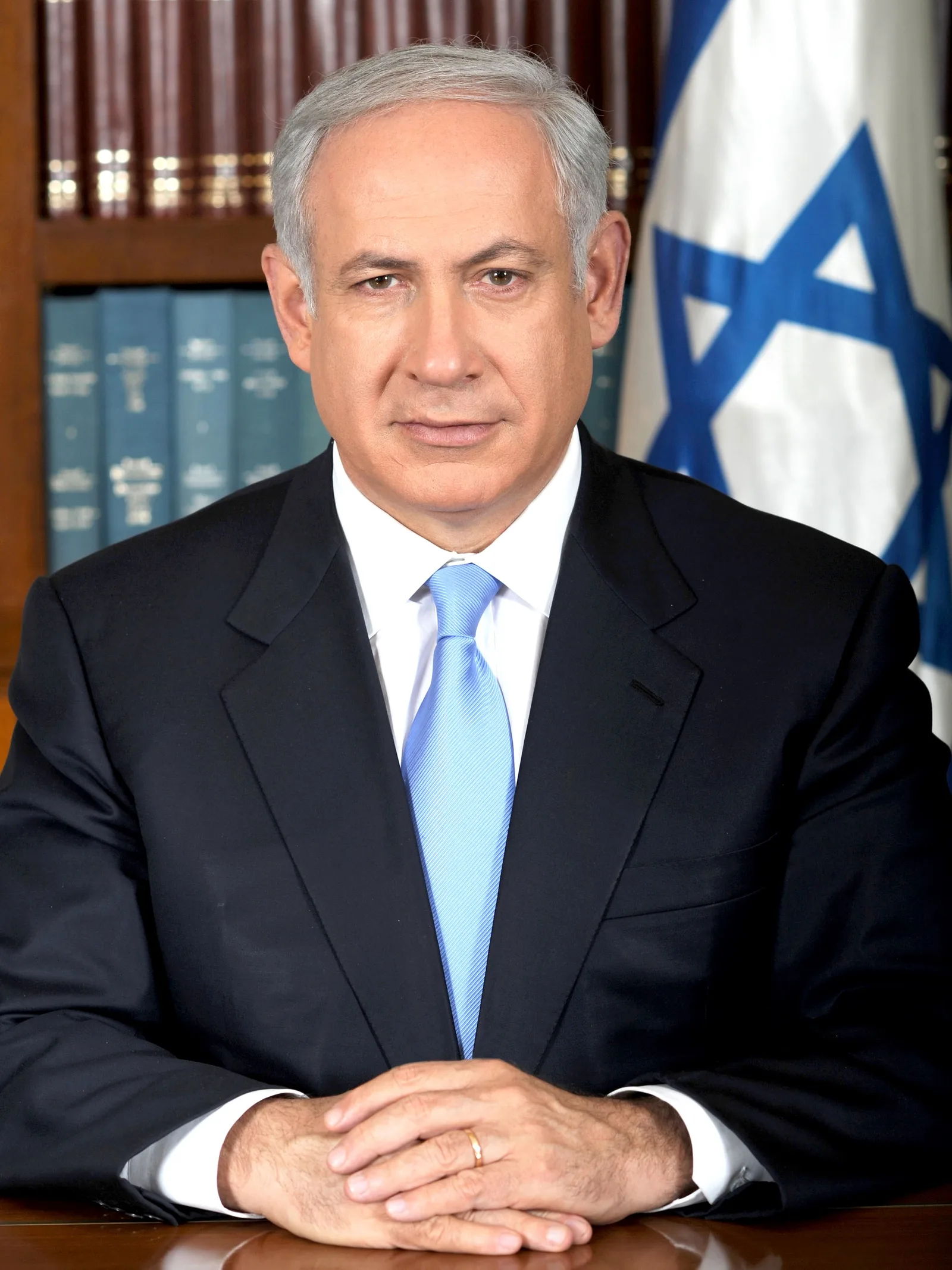 File photo
What happened
Key facts
- Benjamin Netanyahu said Israel was ready to strike its enemies at a moment’s notice (per naharnet.com, newsbytesapp.com, yaffaps.com).
- Netanyahu said he had spoken with the commander of an unspecified base and had seen Israel’s ability to strike when required (per naharnet.com).
- Netanyahu warned Israel’s enemies not to test the country and said they would receive harsher blows than they had experienced to date (per naharnet.com).
- Naharnet said Netanyahu had made the remarks following his warnings to Iran (per naharnet.com).
- The opposition leader questioned whether Netanyahu could be taken seriously if he was afraid of being recognized as the Caped Crusader (per naharnet.com).
The brief
Israeli Prime Minister Benjamin Netanyahu said Israel was ready to strike its enemies at a moment’s notice, warning that they would face harsher blows than before. The remarks appeared in a video statement recorded at a military base, according to Naharnet, which said Netanyahu had spoken with the commander there and had seen Israel’s capacity to strike when required.
Netanyahu told Israel’s adversaries not to test the country. He said they would receive harsher blows than they had suffered up to that point. The account does not identify the base or specify which enemies he meant in the warning.
Naharnet placed the remarks after Netanyahu’s warnings to Iran, but did not detail those earlier warnings or connect the new statement to a particular action by Iran. Its report presents the comments as a general warning rather than identifying a specific military operation or immediate trigger. The outlet said the statement came eight days before a tight election.
It did not provide the election date, describe the candidates’ standing, or report on how the comments affected the campaign. The timing places Netanyahu’s security message close to a vote, but the report does not attribute an electoral motive to him. The report also included a mocking exchange about the video.
It said critics noted that Netanyahu was not wearing a Batman costume. The opposition leader then asked reporters how Netanyahu could expect to be taken seriously if he was afraid of being recognized as the Caped Crusader. The opposition leader’s comment challenged Netanyahu’s presentation, while Netanyahu’s own remarks stressed Israel’s readiness and capacity to strike.
Naharnet did not identify the opposition leader or provide a further response from Netanyahu to the criticism. The central claim is Netanyahu’s stated readiness to order a strike when he considers one required; the account does not describe a strike taking place.
It also provides no details about the base’s location, the capabilities Netanyahu observed, or any specific action that would prompt the warning to be carried out.
Why it matters
- Netanyahu’s warning places the possibility of Israeli military strikes at the center of his public security message.
- The video statement came eight days before what Naharnet described as a tight election, linking the timing of the security remarks to the approaching vote without establishing an electoral motive.
- Netanyahu’s warning followed earlier warnings to Iran, but the report does not specify their content or identify a particular action that would trigger a strike.
What to watch next
- Whether Netanyahu identifies any specific adversary or action connected to his warning.
- Whether Netanyahu provides further details about the base or the capabilities he said he had observed.
- Whether the opposition leader expands on the criticism of Netanyahu’s presentation.
How it's being covered
Coverage analysisShow details6 source articles · 6 unique outlets · 5 distinct reportsOutlet political mix: Mostly Center· 1 Left · 4 Center · 1 unratedWhere the outlets are based: Middle East 33% · US/Canada 17% · Other 50%
- Coverage is currently concentrated among Center-rated outlets (4 of 5 rated sources); comparatively few Right-rated outlets have published on the event.
2 sources are from a wire service (AP, Reuters, AFP or Bloomberg), whose reporting other outlets often republish.
How outlets' accounts compare
Timeline
Developments from this story's sources, dated background we compiled and fact-checked, and our earlier coverage. Each row says which.- Benjamin Netanyahu first became Israel’s prime minister.Background · compiled and fact-checked by Updat3
- The Joint Comprehensive Plan of Action, signed on July 14, 2015, limited Iran’s nuclear program in return for sanctions relief; Israel’s government opposed the agreement, arguing it did not adequately constrain Iran.Background · from our historical context
- On May 8, 2018, President Donald Trump announced the United States’ withdrawal from the agreement and the reimposition of US sanctions on Iran.Background · from our historical context
- Iran began exceeding some of the deal’s nuclear limits in 2019, according to the International Atomic Energy Agency.Background · from our historical context
- On January 3, 2020, a US drone strike near Baghdad airport killed Iranian commander Qassem Soleimani; the Trump administration said it acted to protect US personnel, while Iran condemned the killing.Background · from our historical context
- Iran launched missiles at Iraqi bases hosting US forces on January 8, 2020, and described the attack as retaliation for Soleimani’s death.Background · from our historical context
- A strike on an Iranian diplomatic compound in Damascus killed senior Islamic Revolutionary Guard Corps officers; Iran and its allies blamed Israel.Background · compiled and fact-checked by Updat3
- Iran launched drones and missiles at Israel, describing the operation as retaliation for the Damascus strike.Background · compiled and fact-checked by Updat3
- Iran fired missiles at Israel, saying it was responding to Israeli actions, including the killings of senior militant and Iranian figures.Background · compiled and fact-checked by Updat3
- Israel struck Iranian military targets, describing the operation as a response to Iran’s October 1 attack.Background · compiled and fact-checked by Updat3
- The United States and Israel launched coordinated strikes across Iran, beginning the war.Background · compiled and fact-checked by Updat3
How we got here
The immediate backdrop to Israel’s warnings to Iran was the war that began on February 28, 2026, when the United States and Israel launched coordinated strikes on Iranian power plants, air defenses and military infrastructure.
The war was ongoing as of October 20, 2026; the available background does not establish further dated strike details, so a more specific sequence cannot be given here. Before the 2026 war, Israel and Iran had moved from a largely indirect confrontation to direct exchanges in 2024.
Original sources
1 of 6 articles · Europe · Show allEvery story links to the reporting it was built from. How we choose sources
Spotted a factual error, a broken link or a misleading summary? Tell us.