
Exit polls project Bennett’s B’Yachad alliance will win 12-14 Knesset seats; turnout hits 77.7%
Broadcasters’ exit polls project Naftali Bennett’s B’Yachad alliance will win 12-14 seats in Israel’s next Knesset. The Central Elections Committee reported turnout of 77.7%, while ballot counting continues and official results are scheduled for November 4.
AI-assisted synthesis · Based on 2 outlets' reporting · Article text read from 1 of 2 outletsHow it's made
View timeline · 12 entries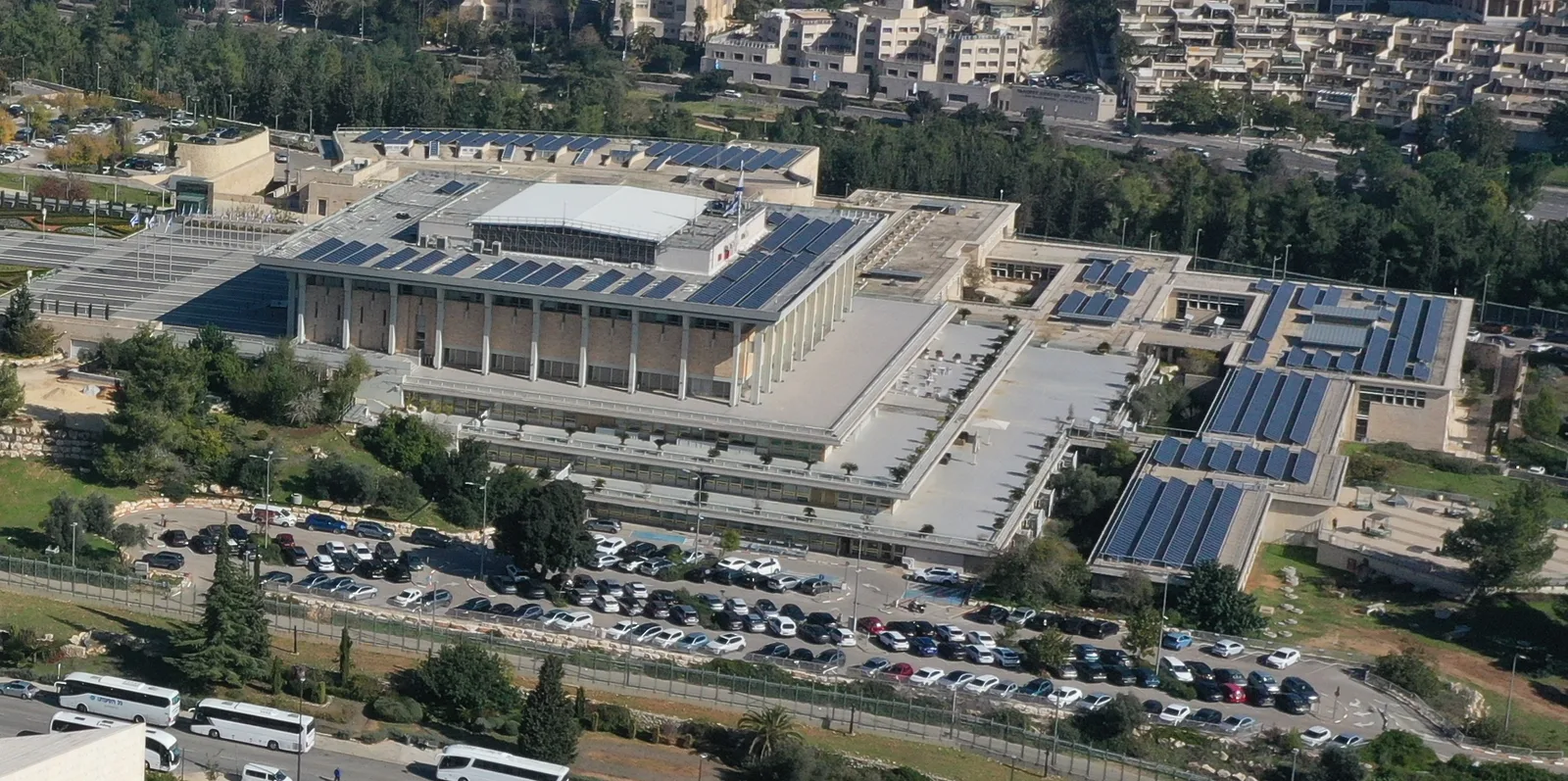 File photo
What happened
Key facts
- Exit polls project Naftali Bennett’s B’Yachad alliance will win 12-14 seats in the next Knesset (per news9live.com, The Jerusalem Post).
- Broadcasters Channel 13, Channel 12 and public broadcaster Kan released the exit polls (per news9live.com).
- The Knesset has 120 seats, and 61 seats are required for a parliamentary majority (per news9live.com).
- The Central Elections Committee said voter turnout reached 77.7%, up 7.1 percentage points from 2022 and the highest level since 1999 (per news9live.com).
- Exit polls estimated Benjamin Netanyahu’s bloc at around 50 seats, the opposition bloc at 52-53 seats, and Arab-led parties at 17-18 seats (per news9live.com).
- Exit polls projected the left-leaning Democrats, led by Yair Golan, at nine or 10 seats (per news9live.com).
The brief
Naftali Bennett’s B’Yachad alliance is projected to win 12-14 seats in Israel’s next Knesset, according to exit polls released by Channel 13, Channel 12 and public broadcaster Kan. The projection places the alliance among the parties with estimated seat totals in the 120-member parliament, but the figures remain exit-poll estimates as ballot counting continues.
The Central Elections Committee said turnout reached 77.7%, an increase of 7.1 percentage points from 2022. The committee described that participation level as the highest since 1999. It is counting ballots, with the final count expected by October 30 and official results scheduled for November 4.
The exit-poll estimates put Benjamin Netanyahu’s Likud as Israel’s largest party, while estimating his bloc would win around 50 seats. The opposition bloc was projected to secure 52-53 seats, and Arab-led parties were estimated at 17-18. The account says the figures leave neither side with an assured route to the 61 seats needed for a parliamentary majority.
Eisenkot’s centrist Yashar party was estimated to win 21-23 seats. The left-leaning Democrats, led by Yair Golan, were projected at nine or 10 seats. The exit-poll account also gives a combined estimate for the Democrats with another party: Channel 13 and Kan put the tally at 17 seats, while Channel 12 projected 18.
The estimates therefore describe a parliament in which the projected totals for the blocs fall below the majority threshold, while the polls assign seats to Arab-led parties and several other parties.
These are projections rather than official seat allocations; the Central Elections Committee’s ballot count and the scheduled publication of official results are the next stated steps in determining the final totals.
The exit-poll figures also place B’Yachad’s projected 12-14 seats alongside Yashar’s 21-23 and the Democrats’ nine or 10, while the bloc estimates remain around 50 for Netanyahu’s side and 52-53 for the opposition.
The Central Elections Committee’s count will establish the official results; its stated timetable places the expected final count by October 30 and the scheduled announcement on November 4.
Why it matters
- The election is for a 120-seat Knesset, and a majority requires 61 seats; the exit-poll estimates put Netanyahu’s bloc around 50 and the opposition bloc at 52-53.
- B’Yachad’s projected 12-14 seats are a significant part of the exit-poll picture, alongside Yashar’s 21-23 and the Democrats’ nine or 10.
- The Central Elections Committee reported 77.7% turnout, 7.1 percentage points above 2022 and the highest level since 1999.
What to watch next
- Whether the Central Elections Committee completes its ballot count by October 30, as expected.
- The official election results scheduled for November 4, including B’Yachad’s final seat total.
- Whether the official totals place any bloc at or above the 61 seats required for a Knesset majority.
How it's being covered
Coverage analysisShow details4 source articles · 2 unique outletsOutlet political mix: Too few rated· 1 Center · 1 RightWhere the outlets are based: Middle East 50% · Asia 50%
- Coverage is currently limited to 2 outlets.
How outlets' accounts compare
Timeline
Developments from this story's sources, dated background we compiled and fact-checked, and our earlier coverage. Each row says which.- The 120-member Knesset is elected through nationwide proportional representation, a system rooted in the election of Israel’s first legislature, the Constituent Assembly, on January 25, 1949.Background · from our historical context
- The Constituent Assembly became the Knesset, and the Basic Law: The Knesset, adopted in 1958, established the legislature’s constitutional framework.Background · from our historical context
- The Knesset raised the electoral threshold for party lists to 3.25 percent.Background · compiled and fact-checked by Updat3
- Israel held a Knesset election in which Likud and Blue and White each won 35 seats.Background · compiled and fact-checked by Updat3
- A March 2020 election again produced no clear governing majority, after which Netanyahu and Gantz agreed to a unity government with a planned rotation in the premiership.Background · from our historical context
- Israel held a Knesset election in which Likud won the most seats but Benjamin Netanyahu did not assemble a majority.Background · compiled and fact-checked by Updat3
- The result followed the June 2021 formation of a government led first by Naftali Bennett and then, under a rotation agreement, by Yair Lapid; that coalition ended Netanyahu’s 12 consecutive years in office.Background · from our historical context
- After the coalition lost its parliamentary majority, the Knesset voted to dissolve itself on June 30, 2022, triggering the election.Background · from our historical context
- The most recent completed Knesset election before the current campaign was held on November 1, 2022.Background · from our historical context
- Benjamin Netanyahu’s Likud-led bloc won 64 of the 120 seats, and Netanyahu returned as prime minister on December 29, 2022, heading a coalition that included religious and far-right parties.Background · from our historical context
- Benjamin Netanyahu’s new government was sworn in after the 2022 election.Background · compiled and fact-checked by Updat3
- Benjamin Netanyahu’s government proposed changes to Israel’s judicial system.Background · compiled and fact-checked by Updat3
How we got here
The most recent completed Knesset election before the current campaign was held on November 1, 2022. Benjamin Netanyahu’s Likud-led bloc won 64 of the 120 seats, and Netanyahu returned as prime minister on December 29, 2022, heading a coalition that included religious and far-right parties.
The result followed the June 2021 formation of a government led first by Naftali Bennett and then, under a rotation agreement, by Yair Lapid; that coalition ended Netanyahu’s 12 consecutive years in office. After the coalition lost its parliamentary majority, the Knesset voted to dissolve itself on June 30, 2022, triggering the election.
Original sources
4 articles from 2 outletsEvery story links to the reporting it was built from. How we choose sources
Spotted a factual error, a broken link or a misleading summary? Tell us.