
Bipartisan lawmakers urge Hegseth to expand Ukraine’s Starshield access for operations in Russia
A bipartisan group of U.S. lawmakers has urged Defense Secretary Pete Hegseth to give the Ukrainian military broader access to Starshield. The lawmakers say the system should support Ukrainian forces during military operations, including on Russian territory, and argue that service decisions should not rest solely with a private provider.
AI-assisted synthesis · Based on 4 independent reports from 5 outlets · Article text read from 1 of 4 reportsHow it's made
View timeline · 7 entries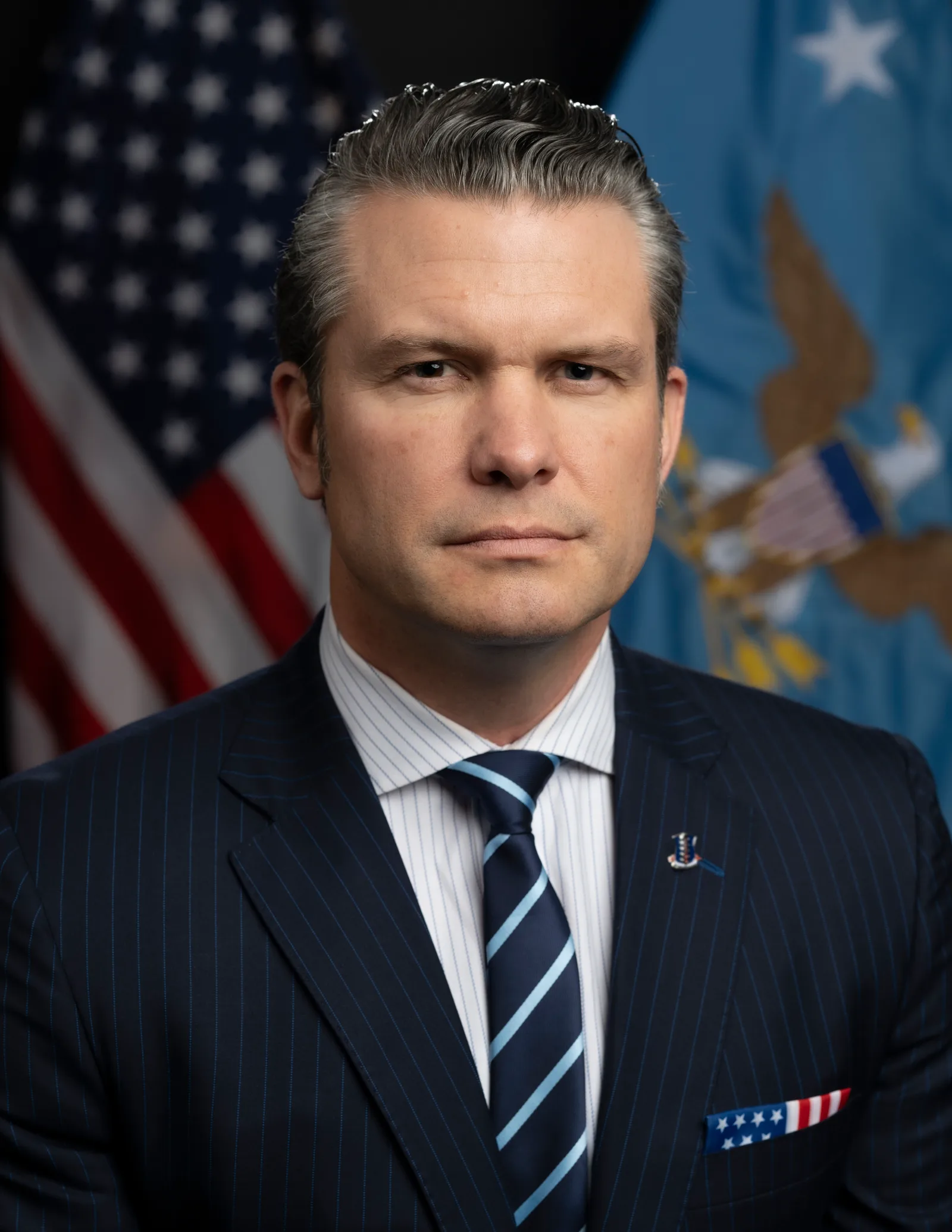 File photo
What happened
Key facts
- Bipartisan U.S. lawmakers urged Defense Secretary Pete Hegseth to expand Ukraine’s access to Starshield (per unn.ua, The Hill).
- The lawmakers’ letter says Starshield should provide communications for the Armed Forces of Ukraine during military operations, including on Russian territory (per unn.ua).
- The lawmakers argue that a private provider should not have sole discretion over service availability, coverage and effectiveness when those decisions directly affect Ukraine’s ability to defend itself (per unn.ua).
- UNN says its report is based on a letter from the lawmakers addressed to the head of the White House (per unn.ua).
- Ukrainska Pravda’s headline says U.S. lawmakers urged the Pentagon to expand Ukraine’s Starshield contract (per pravda.com.ua, unn.ua).
- Quiver Quantitative’s headline says Marcy Kaptur and bipartisan lawmakers urged the Pentagon to restore and expand Ukraine’s Starshield access (per quiverquant.com).
The brief
A bipartisan group of U.S. lawmakers is pressing Defense Secretary Pete Hegseth to broaden the Ukrainian military’s access to Starshield, according to UNN.
The lawmakers set out their request in a letter addressed to the head of the White House, UNN reported, and say the satellite system should provide communications for the Armed Forces of Ukraine during military operations, including on Russian territory.
The letter argues that decisions about whether the service is available, how widely it covers an area and how effectively it works should not be left entirely to a private provider. The lawmakers connect those decisions directly to Ukraine’s ability to defend itself.
Their request is therefore about both access to the system and who controls decisions that determine its availability and performance. UNN reports that the lawmakers’ appeal is directed to Hegseth.
Headlines from Ukrainska Pravda and Quiver Quantitative also describe a congressional push to expand Ukraine’s access; Ukrainska Pravda characterizes the request as an expansion of the Starshield contract, while Quiver Quantitative says the lawmakers called for access to be restored as well as expanded.
Those descriptions appear in the headlines; UNN’s article text frames the request as broader access and does not specify contract terms. A separate point in UNN’s account is Elon Musk’s statement that the Ukrainian military violated Starlink’s terms of use by using the satellite communications service for drone strikes. That is Musk’s allegation as reported by UNN.
The article does not state that the allegation concerns Starshield, or explain how it relates to the lawmakers’ request. Military.com’s headline describes the congressional effort as a push for Starlink access and names Musk, Donald Trump and Russia.
UNN, by contrast, identifies the requested system as Starshield and says the letter calls for communications coverage during Ukrainian military operations, including on Russian territory. The distinction matters because the article’s stated request concerns Starshield, while the Starlink terms-of-use allegation is reported separately.
The request asks for broader Ukrainian access and challenges the idea that a private provider alone should decide service availability, coverage and effectiveness. The lawmakers’ stated reason is the effect of those decisions on Ukraine’s ability to defend itself; the reporting gives no further account of Hegseth’s position or of any decision on their request.
Why it matters
- The Ukrainian military is the directly identified user of the requested communications access; the stated stakes are service availability, coverage and effectiveness during military operations.
- The lawmakers identify a governance issue: whether a private provider alone should control service decisions that they say affect Ukraine’s ability to defend itself.
- Elon Musk’s reported allegation about Ukrainian military use of Starlink for drone strikes adds a separate terms-of-use issue to the account, but UNN does not say it concerns Starshield.
What to watch next
- Whether Pete Hegseth grants the lawmakers’ request to broaden Ukraine’s access to Starshield.
- Whether the lawmakers’ requested access is described or decided in terms of service availability, coverage and effectiveness.
- Whether any subsequent account connects Elon Musk’s Starlink terms-of-use allegation to the Starshield request.
How it's being covered
Coverage analysisShow details5 source articles · 5 unique outlets · 4 distinct reportsOutlet political mix: Mostly Center· 4 Center · 1 RightWhere the outlets are based: US/Canada 60% · Europe 20% · Other 20%
- Coverage is currently concentrated among Center-rated outlets (4 of 5 rated sources); comparatively few Left-rated outlets have published on the event.
How outlets' accounts compare
Timeline
Developments from this story's sources, dated background we compiled and fact-checked, and our earlier coverage. Each row says which.- The conflict that made those services operationally important followed Russia’s annexation of Crimea in 2014 and the outbreak of fighting in eastern Ukraine.Background · from our historical context
- SpaceX launched its first 60 operational Starlink satellites.Background · compiled and fact-checked by Updat3
- In February 2022, after Russia’s full-scale invasion of Ukraine began, SpaceX provided Starlink satellite terminals for Ukrainian communications.Background · from our historical context
- Elon Musk publicly questioned whether SpaceX should continue paying for Starlink service in Ukraine.Background · compiled and fact-checked by Updat3
- SpaceX announced Starshield in December 2022 as a government-focused satellite service, distinct from its commercial Starlink offering.Background · from our historical context
- In June 2023, the U.S. Department of Defense confirmed that it had contracted with SpaceX to provide Starlink services to Ukraine.Background · from our historical context
- Elon Musk said he had refused a Ukrainian request to activate Starlink near Crimea.Background · compiled and fact-checked by Updat3
How we got here
In February 2022, after Russia’s full-scale invasion of Ukraine began, SpaceX provided Starlink satellite terminals for Ukrainian communications. The service became part of Ukraine’s wartime communications infrastructure, while its dependence on a private company raised questions about who controlled access and coverage.
In September 2023, reporting by *The New Yorker* and *Walter Isaacson* described how Elon Musk had declined a Ukrainian request to activate Starlink near Crimea during an operation; Musk said he had not disabled service but had refused to extend it there.
Original sources
3 of 5 articles · US/Canada · Show allEvery story links to the reporting it was built from. How we choose sources
Spotted a factual error, a broken link or a misleading summary? Tell us.