
Lula faces debt, inflation and household arrears after re-election
The Times of India reports that Brazil’s public debt has risen above 82% of GDP during Lula’s current term, while mandatory spending leaves less than 8% of the federal budget available for adjustment. Inflation is 4.6%, above the central bank’s tolerance range, and nearly 84 million Brazilians and 9.3 million businesses are behind on debt payments, according to Serasa.
AI-assisted synthesis · Based on 4 independent reports from 5 outlets · Article text read from 1 of 4 reportsHow it's made
View timeline · 9 entries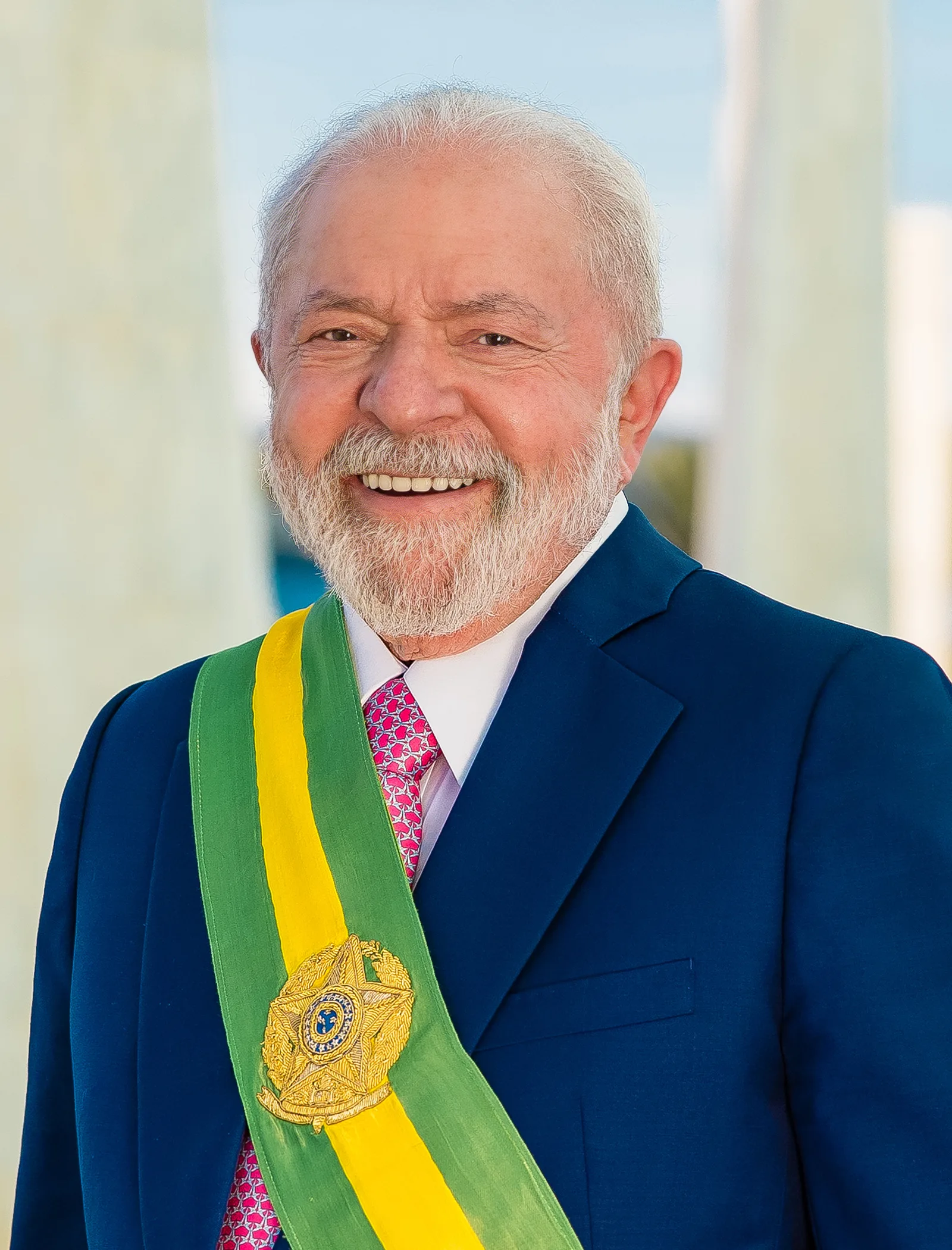 File photo
What happened
Key facts
- Lula was re-elected president of Brazil (per The Times of India, The Economic Times, The Straits Times).
- Brazil’s public debt increased by more than 10 percentage points during Lula’s current term and exceeded 82% of gross domestic product (per The Times of India).
- Serasa says nearly 84 million Brazilians and 9.3 million businesses are behind on debt payments (per The Times of India).
- No detailed proposals for Lula’s economic agenda have been announced so far (per The Times of India).
- Lula may face difficulty securing congressional support after voters elected Brazil’s most conservative legislature since the country returned to democracy in the 1980s (per The Times of India).
The brief
Brazil’s public debt has climbed above 82% of gross domestic product during Lula’s current term, and mandatory spending leaves the federal government with less than 8% of its budget available for adjustments, The Times of India reports.
Those fiscal constraints frame the economic challenges facing the re-elected president, alongside high interest rates, inflation above the central bank’s tolerance range and widespread overdue debt payments. The outlet says debt rose by more than 10 percentage points during Lula’s term and that the increase has pushed up borrowing costs. Interest rates stand at 13.75%.
Annual inflation is 4.6%, exceeding the central bank’s stated tolerance range of 1.5% to 4.5%. Financial markets expect inflation to stay above the official 3% target until as late as 2029. Households and businesses are also carrying significant arrears. Credit bureau Serasa reports that nearly 84 million Brazilians and 9.3 million businesses are behind on debt payments.
These figures describe the scale of overdue obligations; the account does not break them down by amount owed or by category of borrower. Budget flexibility is restricted by years of rising mandatory expenditure, according to The Times of India. The outlet also reports that independent analysts estimate the adjustable share of spending could be around 28%.
It does not reconcile that estimate with its statement that less than 8% of spending is available for adjustments, so the two figures should not be treated as equivalent measures without further explanation. The political setting could complicate economic policymaking.
Voters elected the most conservative legislature since Brazil returned to democracy in the 1980s, and Lula is likely to face difficulty securing congressional support for his economic agenda, the outlet says. It reports that no detailed proposals have been announced so far, leaving the specific measures he might seek congressional backing for unspecified.
The Times of India also describes celebrations in Sao Paulo after Lula’s re-election victory over Flavio Bolsonaro. It says thousands took to the streets, with celebrants presenting the outcome as a democratic triumph and a barrier to a rightward shift. The account reports those demonstrators’ characterization; it does not establish a broader public consensus.
The election result therefore sits alongside a difficult policy agenda: high debt, limited budget flexibility, inflation above the tolerance range, extensive arrears and the prospect of negotiating with a conservative legislature.
Why it matters
- Federal budget choices are constrained: less than 8% of spending is described as available for adjustment, while public debt exceeds 82% of GDP.
- Brazilian households and businesses face widespread overdue payments: Serasa reports nearly 84 million Brazilians and 9.3 million businesses behind on debt.
- Borrowers face interest rates of 13.75%, while annual inflation at 4.6% is above the central bank’s 1.5%–4.5% tolerance range.
- Lula’s economic agenda may require congressional support from a legislature described as Brazil’s most conservative since its return to democracy in the 1980s.
What to watch next
- Whether Lula announces detailed proposals for his economic agenda.
- Whether Lula secures congressional backing for that agenda.
- Whether the federal government can adjust spending within the limits created by mandatory expenditure.
- Whether inflation moves toward the official 3% target, which financial markets expect to remain exceeded until as late as 2029.
How it's being covered
Coverage analysisShow details5 source articles · 5 unique outlets · 4 distinct reportsOutlet political mix: Center Only· 5 CenterWhere the outlets are based: Asia 80% · Global 20%
- Coverage is currently concentrated among Center-rated outlets (5 of 5 rated sources); comparatively few Left or Right-rated outlets have published on the event.
- Coverage is currently concentrated among outlets based in Asia (4 of 5 geographically-identified sources).
One source is from a wire service (AP, Reuters, AFP or Bloomberg), whose reporting other outlets often republish.
How outlets' accounts compare
Timeline
Developments from this story's sources, dated background we compiled and fact-checked, and our earlier coverage. Each row says which.- Brazil promulgated a new Constitution that set out extensive public responsibilities.Background · compiled and fact-checked by Updat3
- Brazil introduced the real under the Real Plan.Background · compiled and fact-checked by Updat3
- Inflation policy also has an institutional history: in June 1999, Brazil adopted an inflation-targeting regime, with the Central Bank using interest rates to pursue targets set by the National Monetary Council.Background · from our historical context
- Brazil enacted the Fiscal Responsibility Law, establishing rules for public finances and limits on personnel spending and debt.Background · compiled and fact-checked by Updat3
- Luiz Inácio Lula da Silva began his first presidential term.Background · compiled and fact-checked by Updat3
- Brazil promulgated Constitutional Amendment 95, imposing a 20-year ceiling on federal spending growth.Background · compiled and fact-checked by Updat3
- Law 179 of February 2021 formalized the Central Bank’s autonomy and fixed terms for its president and directors, changing the institutional relationship between monetary policy and the elected government.Background · from our historical context
- Lula defeated incumbent Jair Bolsonaro in Brazil’s presidential runoff.Background · compiled and fact-checked by Updat3
- Brazil enacted Complementary Law 200, replacing the constitutional spending ceiling with a new fiscal framework.Background · compiled and fact-checked by Updat3
How we got here
Lula’s previous presidential term began on January 1, 2023, after he defeated incumbent Jair Bolsonaro in Brazil’s October 30, 2022 runoff. The election also produced a Congress in which Bolsonaro’s Liberal Party became the largest bloc in the Chamber of Deputies, making coalition-building a central constraint on Lula’s government from its outset.
In 2023, Lula’s administration replaced the constitutional spending ceiling with a new fiscal framework; the change established limits tied to revenue and spending growth but did not remove the government’s need to negotiate budget measures with Congress.
Original sources
5 articles from 5 outletsEvery story links to the reporting it was built from. How we choose sources
Spotted a factual error, a broken link or a misleading summary? Tell us.