
Lula makes Brazilian election history after losing the first round
Luiz Inácio Lula da Silva became the first candidate to win a Brazilian presidential runoff after losing the first round, according to Buenos Aires Times. The account says questions about his fitness prompted Lula to jog and do squats during the campaign.
AI-assisted synthesis · Based on 5 outlets' reporting · Article text read from 1 of 5 outletsHow it's made
View timeline · 9 entries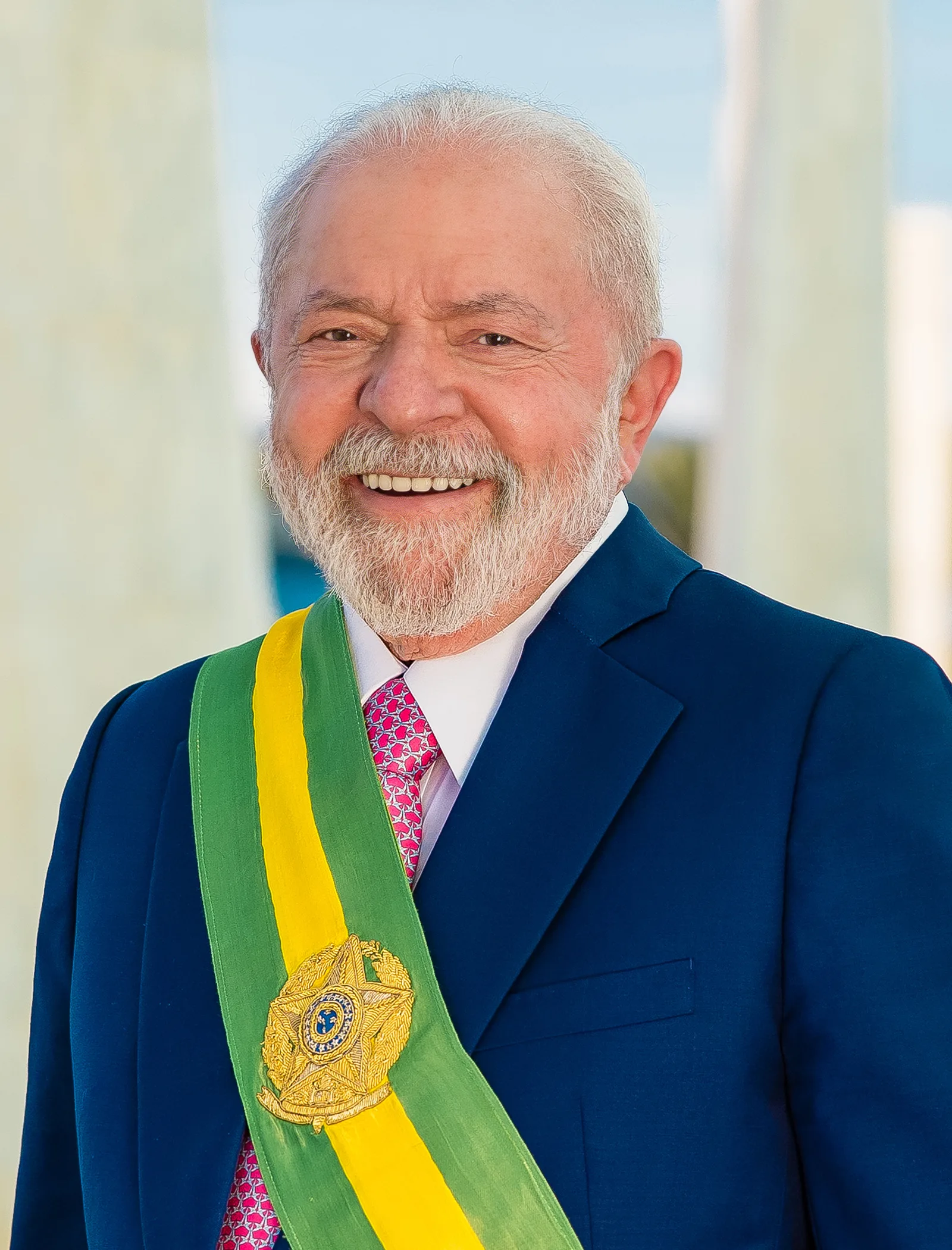 File photo
What happened
The brief
Luiz Inácio Lula da Silva made Brazilian election history by winning the presidential runoff after losing the first round, according to Buenos Aires Times. The Times of India also reported that Lula won re-election, defeating Bolsonaro.
The Straits Times used the description “political titan” in its headline, while FOX 56 News described the contest as a close runoff before voters made their choice. The Buenos Aires Times account says questions about Lula’s ability to carry out the job at almost 81 shaped part of his campaign. Lula did squats and jogged along the campaign trail to demonstrate his fitness.
The account also describes a late shift in how he communicated: he posted selfie videos on social media and bought a mobile phone for the first time. That change, the Buenos Aires Times wrote, highlighted a disconnect between Lula and a Brazilian population it characterized as extremely online and deeply polarised.
The article places the contrast 14 years after Lula was first elected. It does not provide election totals or further detail about the electorate’s views. Lula’s political history in the account includes three unsuccessful presidential bids before he entered the presidential palace in Brasília in 2003. He won re-election in 2006 and left office in 2010.
The Buenos Aires Times says he presided over a commodity-based economic boom that helped lift 30 million people out of poverty. The article also recounts that Lula lost a finger in a workplace accident in the 1960s. It connects that detail to his life story but gives no further account of the accident.
His previous time in office and the campaign’s focus on demonstrating physical fitness form the central biographical context the article provides for his latest victory.
Lula said recently that he did not want to be remembered as “just the Bolsa Familia president.” At a leftist rally, civil servant Gustavo Monteiro, 58, told AFP that Lula “will always remain a symbol of the defence of democracy.” Those statements offer contrasting perspectives on how Lula’s legacy should be understood: his own stated objection to being defined by one programme and Monteiro’s description of him as a democratic symbol.
Why it matters
- The Buenos Aires Times account says the economic boom during Lula’s earlier presidency helped lift 30 million people out of poverty, giving the reported economic record a concrete population-level stake.
- Questions about Lula’s ability to do the job at almost 81 became a campaign issue; he used jogging and squats to address those concerns.
- Lula’s first-round loss followed by a runoff victory is the election mechanism behind the historical distinction reported by Buenos Aires Times.
What to watch next
- Whether Lula’s social-media use continues beyond the campaign, after the late push described by Buenos Aires Times.
- How Lula describes his legacy after saying he does not want to be remembered only as the Bolsa Familia president.
- Whether the campaign questions about Lula’s fitness remain relevant to discussion of his ability to do the job.
How it's being covered
Coverage analysisShow details5 source articles · 5 unique outletsOutlet political mix: Too few rated· 2 Center · 3 unratedWhere the outlets are based: Asia 40% · Unknown 40% · Other 20%
How outlets' accounts compare
Timeline
Developments from this story's sources, dated background we compiled and fact-checked, and our earlier coverage. Each row says which.- The Workers’ Party (PT) was founded in 1980, with Lula among its founders.Background · from our historical context
- Brazil promulgated a constitution requiring a presidential runoff if no candidate wins more than half of valid votes; it set the criminal-responsibility age at 18.Background · compiled and fact-checked by Updat3
- Luiz Inácio Lula da Silva won Brazil’s presidential runoff against José Serra.Background · compiled and fact-checked by Updat3
- During his presidency, Brazil benefited from a commodity boom, and his government expanded social programmes including Bolsa Família, a cash-transfer programme created in 2003.Background · from our historical context
- Lula had first become president in 2003, after losing three presidential elections.Background · from our historical context
- In 2017, a federal judge had convicted him in a case linked to the state oil company Petrobras.Background · from our historical context
- Lula began serving a prison sentence after his corruption conviction.Background · compiled and fact-checked by Updat3
- Lula’s return followed a legal reversal: in March 2021, Supreme Court Justice Edson Fachin annulled the convictions that had barred Lula from running, ruling that the court in Curitiba lacked jurisdiction over his cases.Background · from our historical context
- In October 2022, Luiz Inácio Lula da Silva defeated incumbent Jair Bolsonaro in Brazil’s presidential runoff, winning 50.9% of the vote to Bolsonaro’s 49.1%.Background · from our historical context
How we got here
In October 2022, Luiz Inácio Lula da Silva defeated incumbent Jair Bolsonaro in Brazil’s presidential runoff, winning 50.9% of the vote to Bolsonaro’s 49.1%. Lula had led the first round on October 2, with 48.4% to Bolsonaro’s 43.2%, but fell short of the majority needed to win outright.
Lula’s return followed a legal reversal: in March 2021, Supreme Court Justice Edson Fachin annulled the convictions that had barred Lula from running, ruling that the court in Curitiba lacked jurisdiction over his cases. Lula had been imprisoned from April 2018 until November 2019 after a corruption conviction; he denied wrongdoing.
Original sources
5 articles from 5 outletsEvery story links to the reporting it was built from. How we choose sources
Spotted a factual error, a broken link or a misleading summary? Tell us.