
Burnham backs three-day household emergency stockpile advice
Prime Minister Andy Burnham defended government advice for households to keep emergency supplies, saying unexpected events are becoming more common. He said people should prioritise basics such as tinned food and bottled water rather than wine.
AI-assisted synthesis · Based on 5 outlets' reporting · Article text read from 4 of 5 outletsHow it's made
View timeline · 5 entries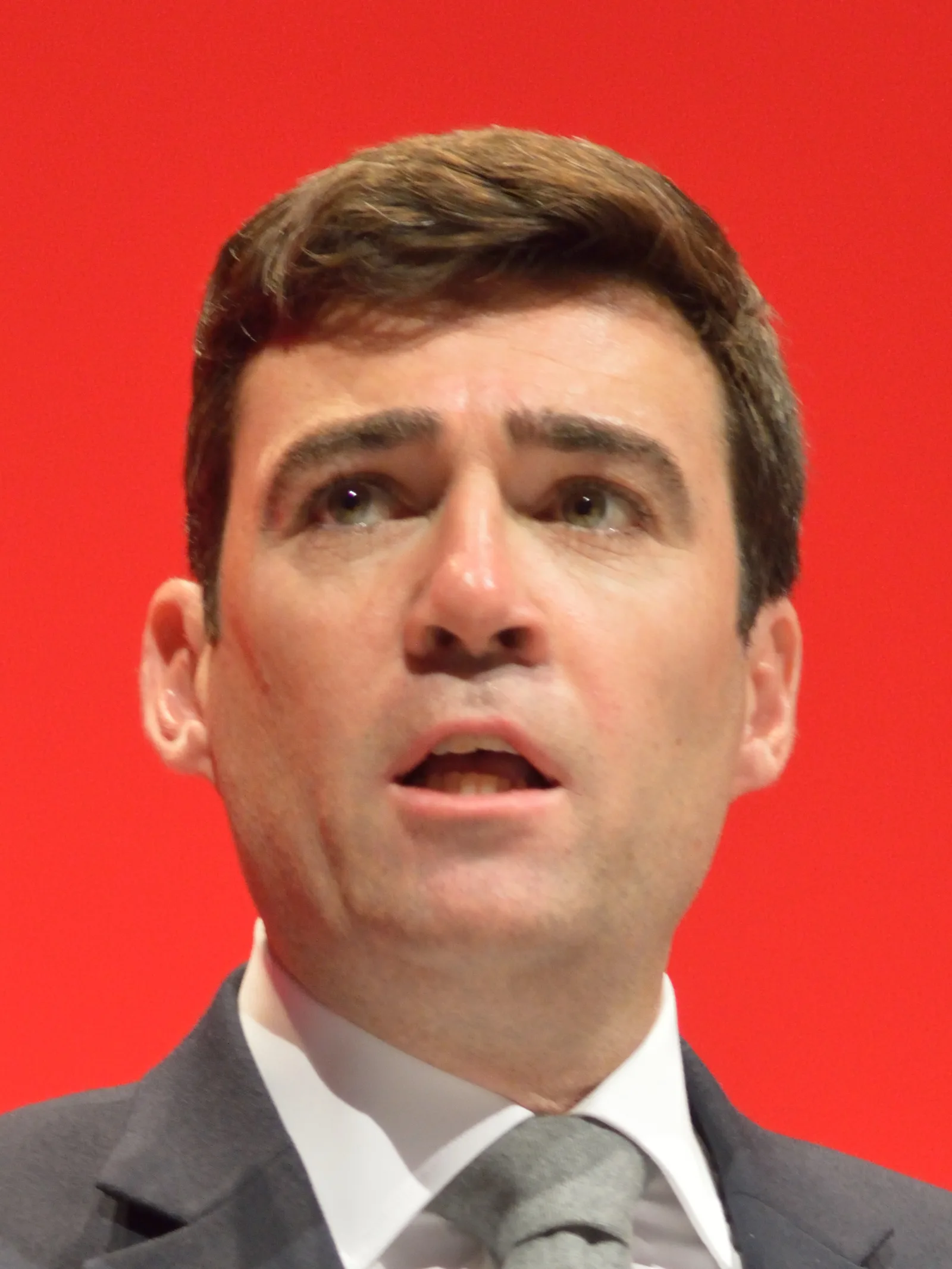 File photo
What happened
Key facts
- Burnham said households could also keep wine, while noting that it should not be their first choice in a crisis.
- Burnham said he would keep beans, soup and Twiglets in his cupboard for emergencies.
- Burnham denied that the advice asks people to take on responsibilities because the Government had failed.
The brief
Prime Minister Andy Burnham defended government advice for UK households to keep emergency supplies, saying unexpected events are becoming more common. He advised prioritising essentials such as tinned food and bottled water, rather than making wine a first choice for an emergency kit. The guidance calls for three days of bottled water and tinned food.
Burnham said his own supplies would include beans, soup and Twiglets. He also allowed that wine might have a place after people had taken care of basic preparations, while saying he would stick to essentials. The discussion came as the UK faced storms and had experienced online disruption caused by a security flaw.
The Mirror reported that Burnham referred to people without power in Cornwall. The Andover Advertiser said two named storms were expected to bring damaging winds and heavy rain on Friday and over the weekend, and reported that the UK was braced for disruption.
Burnham said the preparedness advice was not an effort to shift responsibilities to households because the Government had failed. He described preparation as a conversation about resilience, and said unexpected events appeared to be occurring more often.
Those comments frame the guidance as household planning for disruptions, rather than a substitute for government responsibilities. Housing Secretary Angela Rayner had suggested including a bottle of wine in an emergency kit. Burnham said wine was not at the top of the advice list.
The Huffington Post reported that Rayner said the government had long made this information available and described Wes Streeting's approach as practical and sensible.
The Andover Advertiser reported that the paymaster general said he kept coffee in his own stockpile and pointed to Ireland, France and the Netherlands as countries where household emergency supplies have been encouraged for a long time. That comparison was offered as context for the government’s preparedness conversation.
Wes Streeting defended the campaign against claims of scaremongering on Question Time, according to the Express. Streeting said the aim was for people to be alert without being alarmed, and referred to looking at practices elsewhere in Europe.
The reports place the advice amid storm risks and recent disruption, while also documenting debate over how to communicate preparedness without prompting excessive concern.
Why it matters
- UK households are being advised to keep three days of bottled water and tinned food, placing the practical burden of preparing for disruptions on families.
- People in Cornwall were without power during the storms, illustrating the immediate household cost that emergency supplies are intended to address.
- The reported risks include damaging winds, heavy rain and disruption, alongside online disruption linked to a security flaw.
What to watch next
- Whether the Government continues to promote the three-day household supply guidance as storm risks and other disruptions arise.
- Whether future preparedness messaging continues to prioritise bottled water and tinned food over optional items such as wine.
- Whether Wes Streeting's approach continues to be presented as keeping the public alert without causing alarm.
How it's being covered
Coverage analysisShow details5 source articles · 5 unique outletsOutlet political mix: Mixed· 2 Left · 1 Center · 1 Right · 1 unratedWhere the outlets are based: Europe 100%
- Coverage is currently concentrated among outlets based in Europe (5 of 5 geographically-identified sources).
How outlets' accounts compare
3 framing differences · 3 uncorroborated claims · 1 information gap- The Andover Advertiser foregrounds Burnham's defence of the guidance against the claim that it shifts failed government responsibilities onto households.
- The Express highlights the wine exchange and Streeting's defence against accusations of scaremongering.
- The Mirror emphasizes storm risks and power outages in Cornwall, while the Huffington Post focuses on Burnham's comments at the wildfire summit and Rayner's defence of the government's preparedness information.
- Burnham denied that the guidance transfers responsibilities to households because of government failure; the Andover Advertiser reports this as his position.
- Burnham said unexpected events seem to be becoming more common.
- Streeting said the aim was for people to be alert but not alarmed.
- The sources do not establish the extent or duration of the power outages in Cornwall.
Timeline
Developments from this story's sources, dated background we compiled and fact-checked, and our earlier coverage. Each row says which.- Parliament passed the Civil Defence Act, requiring local authorities to make civil-defence arrangements.Background · compiled and fact-checked by Updat3
- Parliament passed the Civil Contingencies Act, setting emergency-planning duties for public bodies and providing for Local Resilience Forums.Background · compiled and fact-checked by Updat3
- In December 2022, the Cabinet Office published the UK Government Resilience Framework, setting out plans to strengthen the country’s ability to prepare for, respond to and recover from risks.Background · from our historical context
- The Cabinet Office’s National Risk Register, published in August 2023, set out the government’s assessment of major risks facing the UK, including severe weather, infrastructure disruption and infectious disease.Background · from our historical context
- Andy Burnham became UK Prime Minister.Background · compiled and fact-checked by Updat3
How we got here
The UK’s household-preparedness advice sits within a wider government effort to plan for emergencies. In December 2022, the Cabinet Office published the UK Government Resilience Framework, setting out plans to strengthen the country’s ability to prepare for, respond to and recover from risks.
The framework operates alongside the Civil Contingencies Act 2004, which established duties for local authorities and other public bodies to assess risks and plan for emergencies. The Act also provided for Local Resilience Forums, where emergency services, councils and other organisations coordinate preparedness in their areas.
Original sources
5 articles from 5 outlets · Europe · Show allEvery story links to the reporting it was built from. How we choose sources
Spotted a factual error, a broken link or a misleading summary? Tell us.