
Rubio joins Trump campaign events as ethics experts warn Cabinet officials
Ethics experts say some Cabinet officials may be violating federal restrictions on partisan political activity, raising questions about how the law applies to senior administration officials and who has authority to discipline them.
AI-assisted synthesis · Based on 4 outlets' reporting · Article text read from 3 of 4 outletsHow it's made
View timeline · 5 entries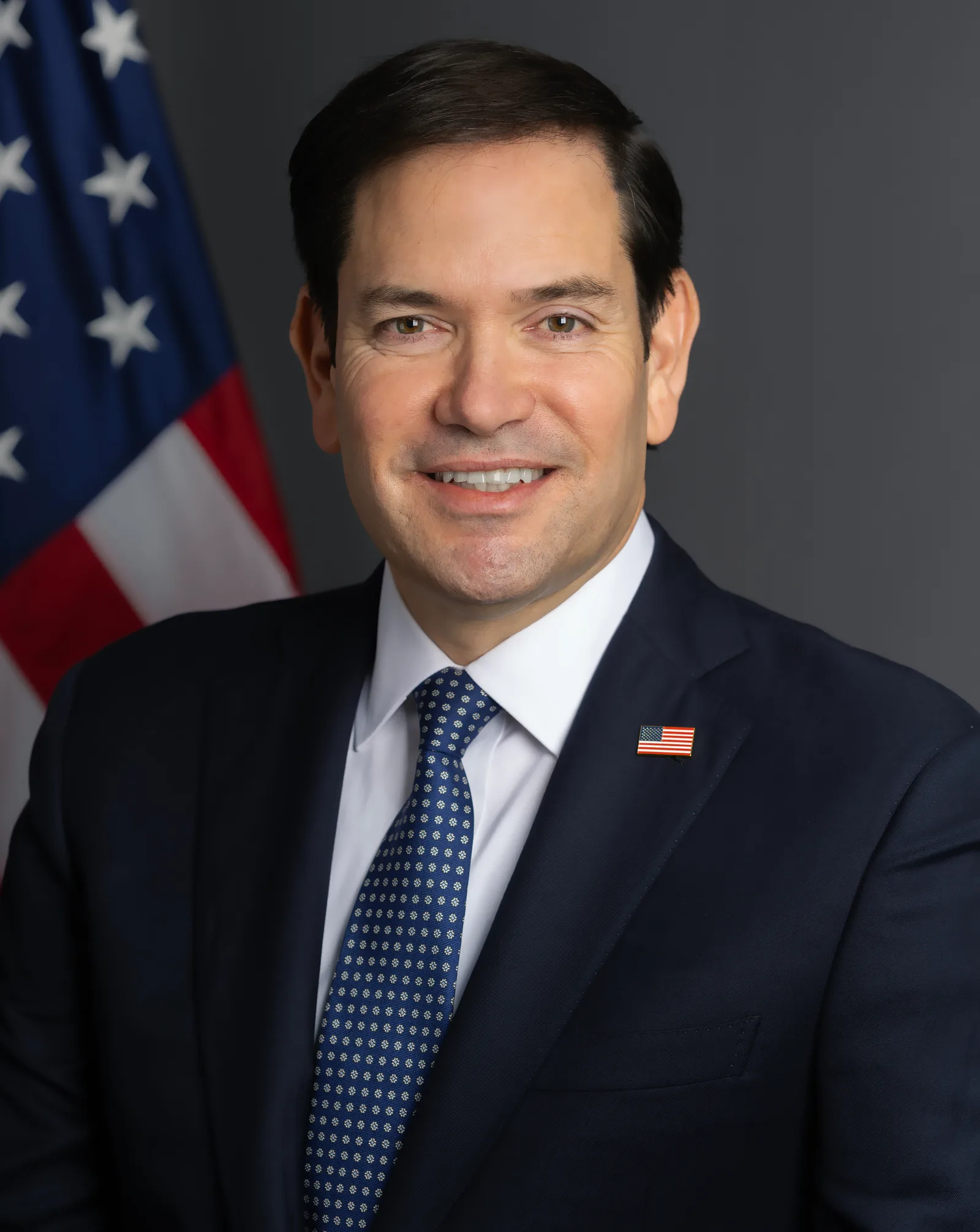 File photo
What happened
Key facts
- The New York Times headline says ethics experts believe some Cabinet officials on the campaign trail are breaking the law (per The New York Times, politicalwire.com).
- ms.now says Rubio had previously shown no interest in the White House’s “Cabinet Travel Competition” until that week (per ms.now).
- Political Wire quotes The New York Times as saying nearly all of President Donald Trump’s top deputies have traveled to promote Republican candidates facing difficult election odds (per politicalwire.com).
- geosirius.ifz.ru claims Cabinet secretaries and senior administration officials are campaigning for preferred candidates while mixing government business with partisan politics (per ifz.ru, ms.now).
The brief
Ethics experts say some Cabinet officials campaigning for candidates may be breaking the law, according to The New York Times headline. The concern is that senior government officials could be mixing the work and resources of public office with efforts to help partisan candidates.
The headline does not identify the officials or specify the alleged conduct, so it does not establish which actions the experts consider unlawful. ms.now reports that Secretary of State Marco Rubio traveled with President Donald Trump to campaign events in Texas. The outlet says Rubio had shown no interest in the White House’s “Cabinet Travel Competition” until that week.
The detail places a senior Cabinet official alongside the president at campaign appearances, but ms.now does not say that Rubio violated election law. The contest is described by ms.now through a report from The Atlantic published the previous month.
According to that account, the White House encourages Cabinet secretaries to travel to promote Trump’s agenda and tracks visits to politically competitive congressional districts or states ahead of the midterm elections.
That description connects official travel to the administration’s political priorities; it does not, on its own, establish that any particular trip used government resources unlawfully. Political Wire relays a New York Times account that nearly all of Trump’s top deputies have fanned out to promote Republican candidates facing difficult election odds.
That framing presents the travel as a broad pattern of campaign activity by senior administration officials, rather than focusing on Rubio alone.
The headline and the Political Wire excerpt do not name the other officials or identify their events. geosirius.ifz.ru takes a sharper legal position, asserting that Cabinet secretaries and senior administration officials are crossing a line by combining official business with partisan campaigning.
It says federal employees, including presidential appointees, are barred from using official authority, public titles or government-funded resources to influence elections. The outlet also argues that a violation need not include explicit words endorsing a candidate.
These are the outlet’s claims; it does not identify a specific legal finding against Rubio or another named official. The central question raised by the coverage is whether campaign appearances remain political activity or cross into prohibited use of public office and resources.
The New York Times headline attributes the concern to ethics experts, while geosirius.ifz.ru presents its view of the legal boundary as a violation; ms.now and Political Wire emphasize the travel and campaign context. The accounts do not provide a named official’s explanation or a specific enforcement decision.
For Rubio, the documented event is travel with Trump to campaign events in Texas. The wider reporting describes other top deputies promoting Republican candidates and a White House travel contest that tracks visits to competitive districts and states.
Whether any official’s conduct breached the law depends on the use of official authority, titles or government-funded resources identified by geosirius.ifz.ru, not simply on the fact of appearing at a campaign event.
Why it matters
- Federal employees and presidential appointees are the population directly implicated by the legal boundary described by geosirius.ifz.ru: using official authority, public titles or government-funded resources to influence elections could expose them to allegations of unlawful conduct.
- Cabinet secretaries face scrutiny when official travel and partisan campaigning overlap; the White House competition reportedly tracks visits to politically competitive districts and states.
- Republican candidates facing difficult election odds are the stated beneficiaries of the campaign appearances described by Political Wire’s account of The New York Times, while the ethics concern centers on keeping government authority and resources separate from electioneering.
What to watch next
- Whether the White House’s Cabinet Travel Competition continues to track Cabinet secretaries’ visits to politically competitive districts or states.
- Whether ethics experts identify specific officials or conduct behind the New York Times headline’s claim that some Cabinet officials are breaking the law.
- Whether any named authority makes an enforcement decision concerning Cabinet officials’ use of official authority, public titles or government-funded resources in campaign activity.
How it's being covered
Coverage analysisShow details4 source articles · 4 unique outletsOutlet political mix: Mostly Left· 2 Left · 1 Right · 1 unratedWhere the outlets are based: US/Canada 50% · Europe 25% · Other 25%
How outlets' accounts compare
3 framing differences · 2 uncorroborated claims · 2 information gaps- The New York Times headline frames the issue as a legal concern raised by ethics experts; Political Wire emphasizes how widely Trump’s deputies are campaigning for Republicans.
- ms.now focuses on Rubio’s trip and the White House travel competition, while geosirius.ifz.ru asserts that officials’ conduct crosses into statutory violations.
- geosirius.ifz.ru asserts that officials’ conduct violates statutory limits; the New York Times headline attributes the view that some officials are breaking the law to ethics experts.
- ms.now describes the White House initiative as the “Cabinet Travel Competition.”
- geosirius.ifz.ru claims that a direct ballot endorsement or particular wording is not required for a legal violation.
- The sources do not identify the specific ethics experts, the statute or legal authority they rely on, or any formal enforcement proceeding.
- The sources do not establish whether Rubio or another named official used official authority, a public title or government-funded resources to influence an election.
Timeline
Developments from this story's sources, dated background we compiled and fact-checked, and our earlier coverage. Each row says which.- The Pendleton Civil Service Reform Act, signed on January 16, 1883, established merit-based hiring for parts of the federal workforce, but it did not create the Hatch Act’s later restrictions on electioneering.Background · from our historical context
- The Hatch Act, enacted on August 2, 1939, restricted partisan political activity by federal employees after investigations into the use of government employment and resources for electioneering.Background · from our historical context
- President Jimmy Carter signed the Civil Service Reform Act, creating the Merit Systems Protection Board and the Office of Special Counsel.Background · compiled and fact-checked by Updat3
- The Office of Special Counsel found that Kellyanne Conway violated the Hatch Act through political comments made in her official role.Background · compiled and fact-checked by Updat3
- The Office of Special Counsel recommended that Kellyanne Conway be removed from federal service for Hatch Act violations.Background · compiled and fact-checked by Updat3
How we got here
President Donald Trump declined to remove Conway, and the dispute highlighted the difference between the law’s restrictions on partisan activity by federal employees and the administration’s control over discipline for senior officials.
The Hatch Act, enacted on August 2, 1939, restricted partisan political activity by federal employees after investigations into the use of government employment and resources for electioneering. Amendments signed by President George H. W.
Original sources
2 of 4 articles · US/Canada · Show allEvery story links to the reporting it was built from. How we choose sources
Spotted a factual error, a broken link or a misleading summary? Tell us.