
Lagarde will leave ECB presidency in February 2027
Christine Lagarde is set to leave the European Central Bank presidency in February 2027, bringing her leadership of the eurozone’s central bank to a close and setting up a transition at the institution.
AI-assisted synthesis · Based on 5 outlets' reporting · Article text read from 1 of 5 outletsHow it's made
View timeline · 12 entries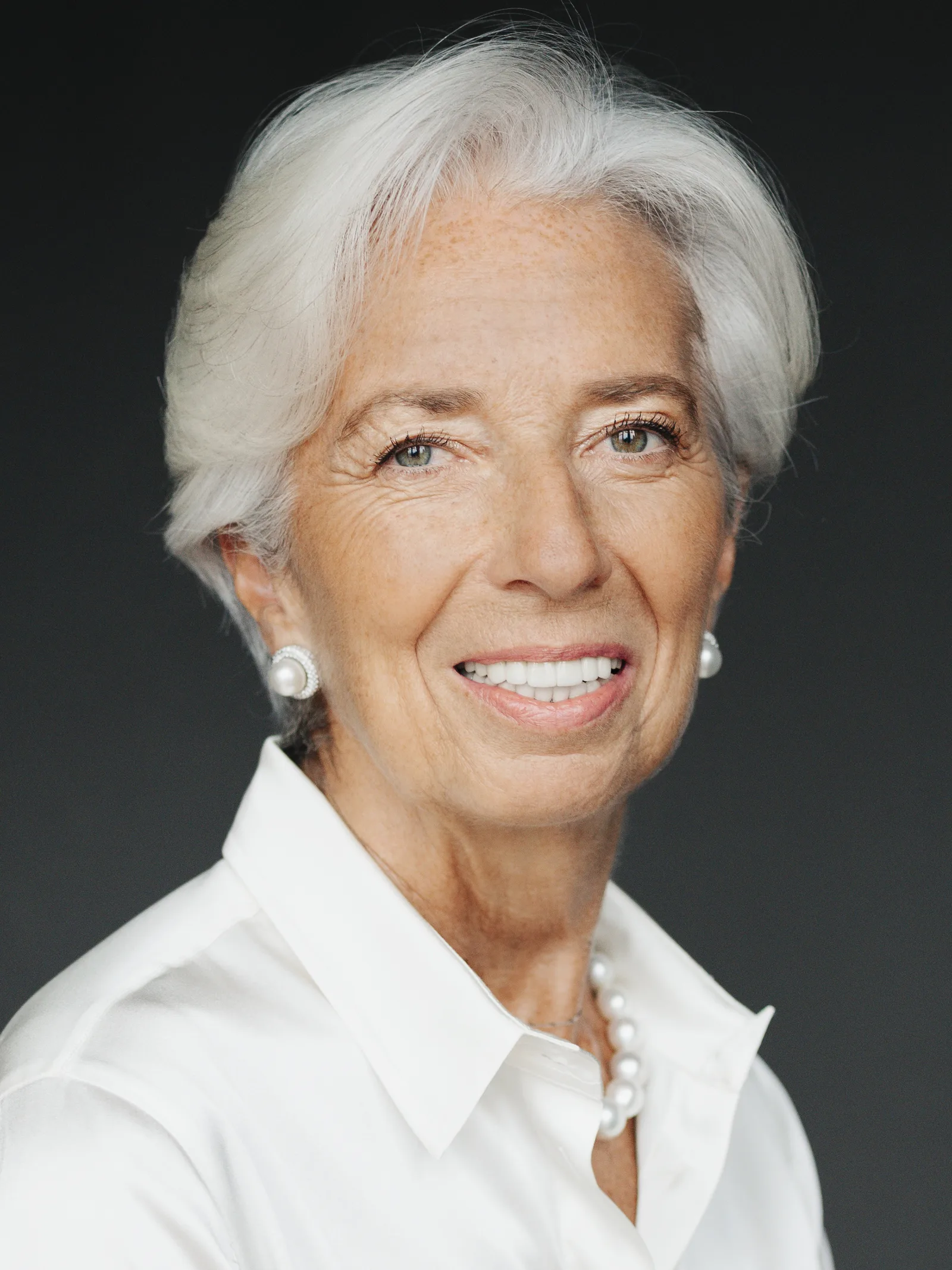 File photo
What happened
Key facts
- Christine Lagarde will step down as European Central Bank president in February 2027 (per Euronews).
- The European Central Bank announced that Lagarde will leave the presidency on February 7, 2027 (per Euronews).
- Lagarde’s departure is expected around nine months before the end of her eight-year term (per Euronews, France 24).
- The bank said its Governing Council thanked Lagarde and gave her a standing ovation (per Euronews).
- European Council President António Costa praised Lagarde’s service and dedication as ECB president since November 2019 (per Euronews).
- Costa said the appointment process for Lagarde’s successor would begin that day and proceed without delay (per Euronews).
- The Financial Times and Bloomberg headlines said Lagarde would step down in February (per Bloomberg).
The brief
Christine Lagarde will leave the European Central Bank presidency on February 7, 2027, the bank announced, about nine months before the end of her eight-year term. The Euronews account gives the specific date and says the ECB made the announcement on Thursday. France 24’s headline also places her departure in February 2027, while The Times characterizes it as an early exit.
The ECB’s Governing Council thanked Lagarde, according to the statement quoted by Euronews, and gave her a standing ovation. The statement did not include a further explanation of the departure. Lagarde has led the ECB since November 2019, a period noted by European Council President António Costa in his public acknowledgment of her service.
Costa praised Lagarde’s dedication as ECB president and said the appointment process for her successor would start immediately and proceed without delay. His statement identifies the transition process as the next step but does not name a successor.
The ECB’s announcement and Costa’s remarks therefore establish the departure date and the start of the selection process, without identifying who will take over. The timing places the departure before the scheduled end of Lagarde’s eight-year term.
Euronews describes the gap as around nine months; France 24’s headline likewise says the departure comes nine months before the term ends. The Times calls the departure early, while the Financial Times and Bloomberg headlines say only that Lagarde will step down in February.
Those headlines provide no additional detail about the appointment process or the reasons for her departure. The announcement came on a Thursday when the ECB was widely expected to keep its deposit rate at 2.5%, according to Euronews.
That expectation is separate from the bank’s stated leadership transition: the account reports no link between the anticipated rate decision and Lagarde’s planned departure. The immediate institutional task Costa identified is beginning the process to appoint a successor. The stated aim is a smooth leadership transition, and Costa said the process would proceed without delay.
The announcement does not state a successor’s identity or provide further particulars about how the selection will be conducted.
Why it matters
- Lagarde’s early departure gives EU leaders time to choose a successor before her term ends, but the appointment will shape how investors judge the ECB’s future approach to inflation and interest rates. That outlook affects euro-area governments’ borrowing costs and the loan and savings rates faced by households and businesses, even before the new president takes office.
What to watch next
- In the coming weeks, watch the European Council for a timetable to nominate and appoint Lagarde’s successor before her February 7, 2027 departure.
- Watch EU governments for candidates they back, and whether the European Parliament and ECB are consulted as the selection process takes shape.
- Over the next few months, track whether Lagarde or the ECB clarifies how leadership responsibilities and the handover will be managed before she leaves.
How it's being covered
Coverage analysisShow details6 source articles · 5 unique outletsOutlet political mix: Mostly Center· 4 Center · 1 RightWhere the outlets are based: Europe 80% · Global 20%
- Coverage is currently concentrated among Center-rated outlets (4 of 5 rated sources); comparatively few Left-rated outlets have published on the event.
- Coverage is currently concentrated among outlets based in Europe (4 of 5 geographically-identified sources).
One source is from a wire service (AP, Reuters, AFP or Bloomberg), whose reporting other outlets often republish.
How outlets' accounts compare
Timeline
Developments from this story's sources, dated background we compiled and fact-checked, and our earlier coverage. Each row says which.- European leaders signed the Maastricht Treaty, setting out the path to economic and monetary union.Background · compiled and fact-checked by Updat3
- The Maastricht Treaty entered into force.Background · compiled and fact-checked by Updat3
- The European Monetary Institute, established in 1994, prepared the institutional and technical groundwork for the ECB.Background · from our historical context
- The European Central Bank was formally established.Background · compiled and fact-checked by Updat3
- The euro began use as an accounting currency for financial transactions.Background · compiled and fact-checked by Updat3
- Euro banknotes and coins entered circulation on January 1, 2002.Background · from our historical context
- Mario Draghi took office as president of the European Central Bank.Background · compiled and fact-checked by Updat3
- On July 2, 2019, EU leaders nominated Lagarde, then managing director of the International Monetary Fund, for the post.Background · from our historical context
- The European Council appointed Christine Lagarde as European Central Bank president.Background · compiled and fact-checked by Updat3
- Lagarde took office on November 1, 2019.Background · from our historical context
- ScheduledChristine Lagarde will step down as European Central Bank president in February 2027.
- ScheduledThe European Central Bank announced that Lagarde will leave the presidency on February 7, 2027.
How we got here
Christine Lagarde’s path to the European Central Bank presidency began with her selection in 2019, after Mario Draghi’s eight-year term was due to end on October 31. On July 2, 2019, EU leaders nominated Lagarde, then managing director of the International Monetary Fund, for the post.
The European Parliament held a confirmation hearing on September 4, and the European Council formally appointed her on October 18, after consulting Parliament and the ECB’s Governing Council. Lagarde took office on November 1, 2019. Before joining the IMF in 2011, she had served as France’s finance minister from 2007.
Original sources
1 of 6 articles · Global · Show allEvery story links to the reporting it was built from. How we choose sources
Spotted a factual error, a broken link or a misleading summary? Tell us.