
Schumer asks FCC to reject political AI robocall petition
Chuck Schumer urged the Federal Communications Commission not to approve Club for Growth’s petition to permit political AI-generated robocalls. Schumer warned the calls could imitate opponents’ voices and mislead voters, while the FCC chairman’s spokesperson did not comment immediately.
AI-assisted synthesis · Based on 4 outlets' reporting · Article text read from 1 of 4 outletsHow it's made
View timeline · 10 entries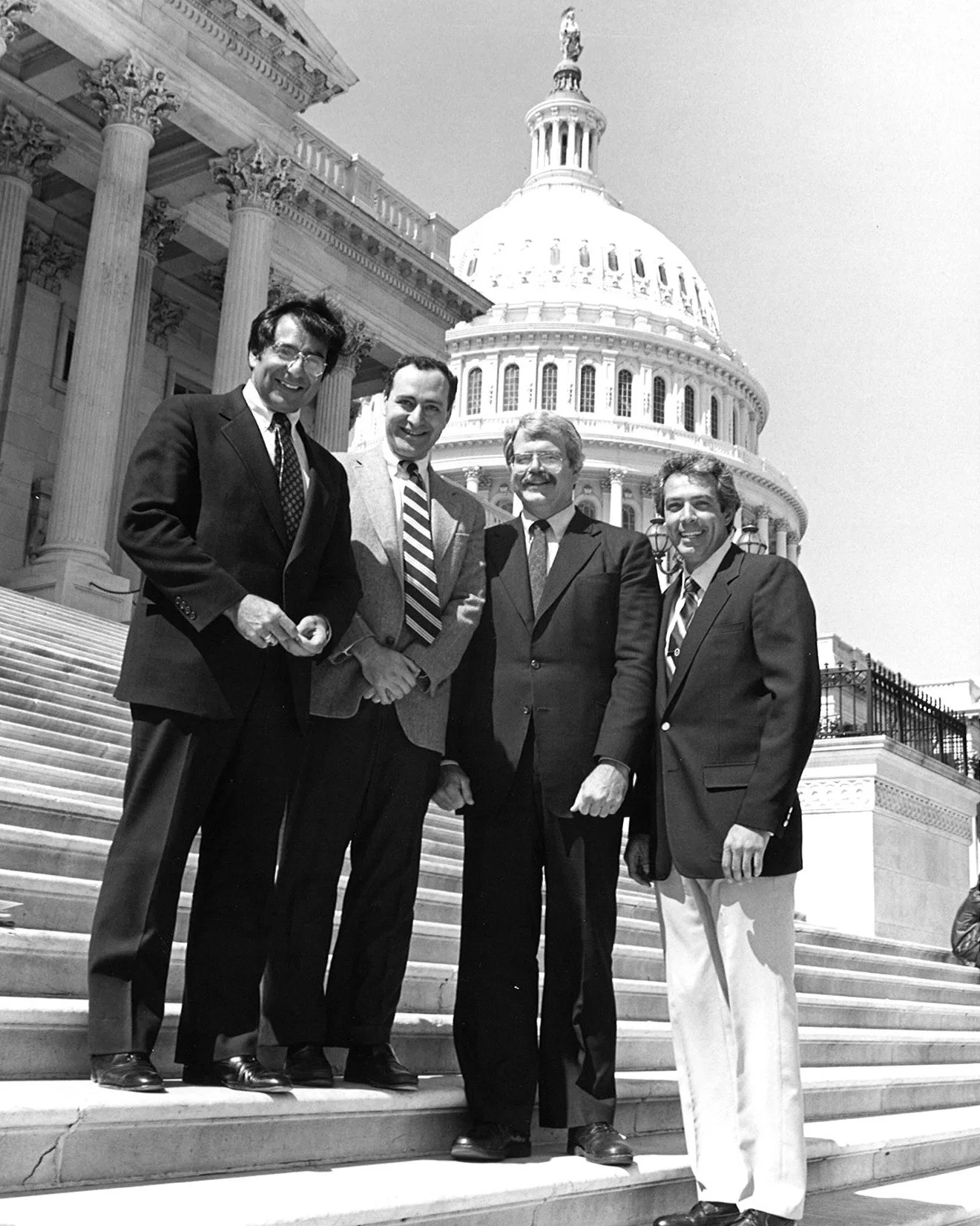 File photo
What happened
Key facts
- Chuck Schumer urged the Federal Communications Commission to block political AI robocalls before elections (per The Straits Times).
- Schumer asked the FCC not to approve the petition, which would allow political AI-generated robocalls (per The Straits Times).
- The comment period expires on Oct 19, and the FCC could act on the petition that week ahead of the Nov 3 election (per The Straits Times).
- Schumer warned that campaigns could use opponents’ voices in messages that mislead voters, and he referred to deepfakes and AI voices funded by undisclosed political money (per The Straits Times).
The brief
Senate Democratic leader Chuck Schumer urged the Federal Communications Commission not to approve a petition that would allow political campaigns to use AI-generated robocalls. The Straits Times reported that Schumer made the appeal on Oct 19, as the comment period on the petition expired and the FCC could act on it that week ahead of the Nov 3 election.
The petition came from Club for Growth, which The Straits Times described as a conservative political group. Schumer called on the FCC to reject the request, warning that the proposed change could let campaigns use opponents’ voices in messages that mislead voters. He described the possible messages as disingenuous at best and a blatant lie at worst.
Schumer also objected to what he characterized as a risk of special interests filling cellphone lines with deepfakes or AI-generated voices financed by undisclosed political money. His comments focused on the potential use of synthetic voices and the content of political calls; he did not present a specific example of such a call in the account.
A spokesperson for FCC chairman Brendan Carr did not comment immediately, The Straits Times reported. The account does not give a response from Club for Growth to Schumer’s appeal or state whether the FCC had decided the petition.
The FCC’s timing was the immediate next step in the dispute: the comment period expired on Oct 19, and the commission could take action during that week, before the Nov 3 election. Schumer’s request was for the agency to keep the existing standards from being relaxed, while the petition sought permission for political AI-generated robocalls.
Club for Growth backs conservative economic views on taxes, regulations and reducing the size of government, according to The Straits Times. The group said on its website that it planned to spend US$175 million in the midterm congressional elections.
That planned spending is the amount the group disclosed; the account does not link the spending to the petition or to any particular calls.
Why it matters
- The proposed change concerns political calls to cellphone users, and Schumer warned that AI-generated voices could imitate political opponents and carry misleading messages.
- Schumer identified deepfakes and AI voices funded with undisclosed political money as mechanisms that could be used to fill cellphone lines.
- Club for Growth said it planned to spend US$175 million in the midterm congressional elections, though the account does not connect that spending to the petition.
What to watch next
- Whether the FCC acts on Club for Growth’s petition after the comment period expires.
- Whether the FCC approves or rejects permission for political AI-generated robocalls.
- Whether the commission acts before the Nov 3 election.
How it's being covered
Coverage analysisShow details4 source articles · 4 unique outletsOutlet political mix: Too few rated· 2 Center · 2 unratedWhere the outlets are based: US/Canada 25% · Middle East 25% · Other 50%
How outlets' accounts compare
Timeline
Developments from this story's sources, dated background we compiled and fact-checked, and our earlier coverage. Each row says which.- Congress passed the Communications Act, which created the Federal Communications Commission.Background · compiled and fact-checked by Updat3
- In 1991, Congress enacted the TCPA amid concerns about intrusive telemarketing, and the FCC adopted implementing rules the following year.Background · from our historical context
- Congress enacted the Telephone Consumer Protection Act, restricting certain automated calls.Background · compiled and fact-checked by Updat3
- The Federal Communications Commission adopted rules implementing the Telephone Consumer Protection Act.Background · compiled and fact-checked by Updat3
- Congress passed the Bipartisan Campaign Reform Act, amending federal campaign-finance law and political-advertising disclosure rules.Background · compiled and fact-checked by Updat3
- A robocall using an AI-generated imitation of Joe Biden urged New Hampshire voters not to participate in the Democratic primary.Background · compiled and fact-checked by Updat3
- The FCC’s 2024 ruling followed a New Hampshire robocall that used an AI-generated imitation of President Joe Biden’s voice to urge voters not to participate in the state’s January 23, 2024, Democratic primary.Background · from our historical context
- On February 8, 2024, the Federal Communications Commission ruled that calls using AI-generated voices fall under the Telephone Consumer Protection Act’s restrictions on artificial or prerecorded voice messages.Background · from our historical context
- In May 2024, the agency proposed a $6 million fine against political consultant Steve Kramer over the calls; that proposal was not itself a final finding of liability.Background · from our historical context
- The Federal Communications Commission opened a rulemaking on disclosures for AI-generated content in political advertisements on radio and television.Background · compiled and fact-checked by Updat3
How we got here
On February 8, 2024, the Federal Communications Commission ruled that calls using AI-generated voices fall under the Telephone Consumer Protection Act’s restrictions on artificial or prerecorded voice messages.
In July 2024, the FCC opened a rulemaking on disclosures for AI-generated content in political advertisements carried by radio and television broadcasters, extending the agency’s consideration of AI and elections beyond telephone calls. The main statutory framework dates to the Telephone Consumer Protection Act of 1991.
Original sources
4 articles from 4 outletsEvery story links to the reporting it was built from. How we choose sources
Spotted a factual error, a broken link or a misleading summary? Tell us.