
Crenshaw accuses Putin of breaching Ukraine energy cease-fire
Rep. Dan Crenshaw accused Russian President Vladimir Putin of breaking an energy cease-fire by striking Ukrainian power plants and civilian buildings. Crenshaw urged the use of congressionally approved sanctions and wider Ukrainian access to Starlink and Starshield.
AI-assisted synthesis · Based on 2 outlets' reporting · Full text read from 1 of 2 outletsHow it's made
View timeline · 2 entries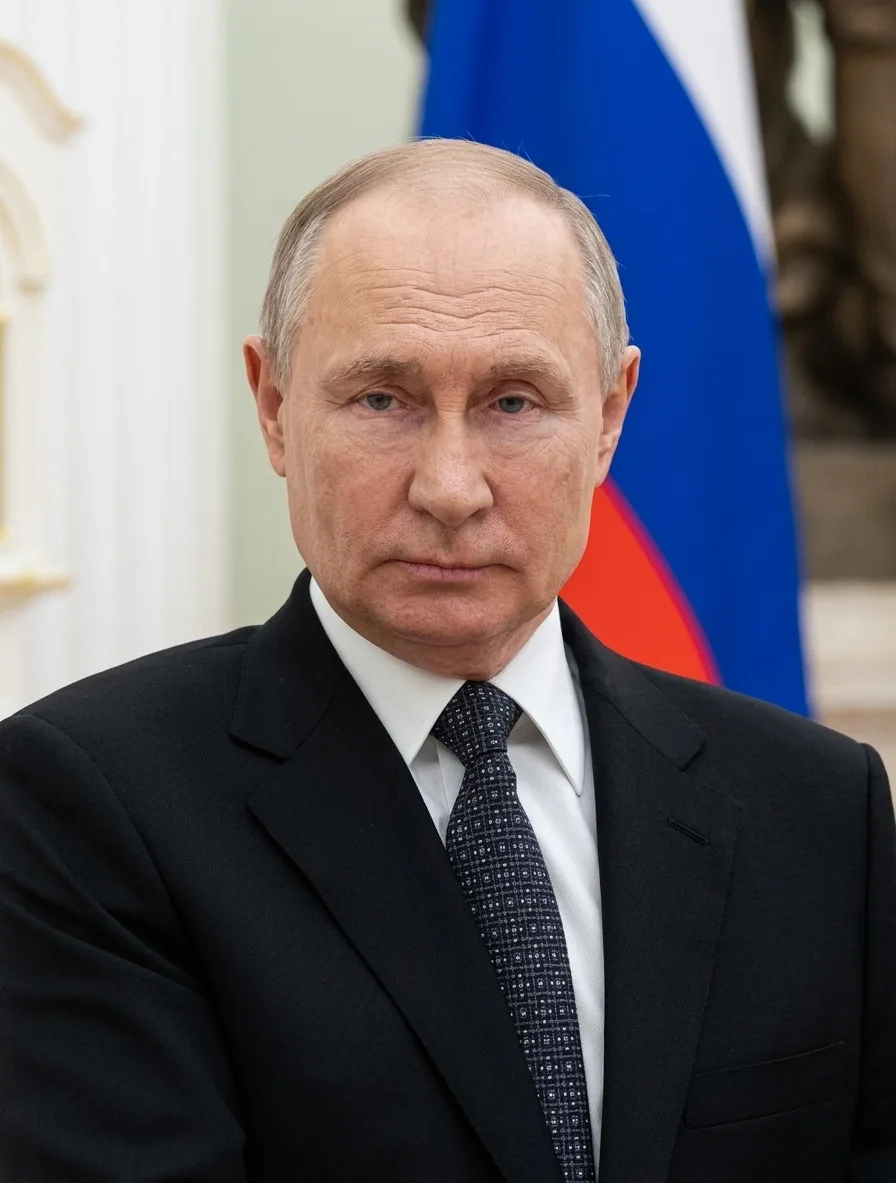 File photo
What happened
Key facts
- Rep. Dan Crenshaw accused Vladimir Putin of breaking an energy cease-fire with Ukraine (per New York Post, aol.com).
- Crenshaw described the alleged cease-fire breach as an apparent violation (per New York Post).
- Crenshaw said congressionally approved sanctions could pressure Moscow to return to negotiations and help end the war (per New York Post).
- Crenshaw said Ukraine needs satellite connectivity over Russia and Russian-occupied territories (per New York Post).
- Crenshaw urged granting Kyiv full access to Starlink and Starshield (per New York Post).
- Crenshaw said Ukrainian forces had carried out strikes inside Russia, describing them as difficult (per New York Post).
The brief
Rep. Dan Crenshaw accused Russian President Vladimir Putin of breaking an energy cease-fire with Ukraine, saying Russian strikes had hit Ukrainian power plants and civilian buildings. The New York Post reported that Crenshaw made the allegation in an interview with the newspaper.
He characterized the breach as apparent; the allegation is his, not an independently established finding in the account. Crenshaw said President Donald Trump had said he had struck a deal covering attacks on energy and infrastructure.
The article quoted Crenshaw saying, “President Trump said that he struck a deal attacks on energy and infrastructure.” The wording is presented as Crenshaw’s account of Trump’s statement. Crenshaw also said Ukrainian forces had carried out strikes inside Russia, adding that doing so was difficult.
The article does not identify specific strikes or provide further detail about them. It reports no civilian casualty figures for the strikes on Ukrainian power plants and buildings. On sanctions, Crenshaw argued that congressionally approved measures could pressure Moscow to return to negotiations and help end the war. The account does not specify which sanctions he meant.
It reports Crenshaw’s proposal, rather than an administration decision to impose sanctions. Crenshaw urged giving Kyiv full access to Starlink and Starshield, which the article described as a US military-controlled network. He said Ukraine needed satellite connectivity over Russia and Russian-occupied territories.
The article also quoted Ukrainian leader Volodymyr Zelensky saying Ukraine’s military uses Starlink to intercept Russian drones, conduct mid-range strikes against military targets in temporarily occupied territories, and deliver food and supplies to the front.
The article separately quoted Zelensky saying, “This is what happens when Russia sees the prospect of higher revenues for its war machine,” referring to Trump’s deal with Moscow to export 300,000 metric tons of diesel to the United States and global markets.
It also quoted Trump telling Newsmax, “Well, I think that’s a disgrace.” The account does not establish which event or claim Trump was referring to in that remark. Crenshaw’s cease-fire allegation, sanctions proposal and call for expanded satellite access are the main actions and positions described.
Why it matters
- Crenshaw’s allegation concerns Russian strikes on Ukrainian power plants and civilian buildings, but the article gives no casualty figures or independently established assessment of the alleged breach.
- Crenshaw’s proposed pressure mechanism is congressionally approved sanctions, which he said could push Moscow back toward negotiations.
- Crenshaw’s proposed connectivity mechanism is full Ukrainian access to Starlink and Starshield, described in the article as a US military-controlled network.
What to watch next
- Whether the US administration acts on Crenshaw’s proposal to use congressionally approved sanctions.
- Whether Kyiv receives the full Starlink and Starshield access Crenshaw urged.
- Whether Moscow returns to negotiations, the outcome Crenshaw said sanctions could help pursue.
How it's being covered
Coverage analysisShow details2 source articles · 2 unique outletsCoverage mix: Too few rated· 1 Center · 1 RightWhere the outlets are based: US/Canada 100%
- Coverage is currently limited to 2 outlets.
How outlets' accounts compare
Timeline
Developments from this story's sources, dated background we compiled and fact-checked, and our earlier coverage. Each row says which.- In 1994, Ukraine joined the Nuclear Non-Proliferation Treaty as a non-nuclear-weapon state and received security assurances in the Budapest Memorandum from Russia, the United States and the United Kingdom.Background · from our historical context
- The energy pause was part of wider efforts to halt a war that began with Russia’s full-scale invasion on February 24, 2022.Background · from our historical context
How we got here
On March 18, 2025, President Donald Trump and Vladimir Putin discussed a proposed pause in attacks on energy infrastructure during a phone call; the White House said Putin had agreed to an energy-infrastructure cease-fire. On March 25, the United States announced separate understandings with Russia and Ukraine that included a ban on strikes against energy facilities.
Those arrangements followed US-Ukraine talks in Jeddah on March 11, where Ukraine accepted a US proposal for an immediate, interim 30-day cease-fire, conditional on Russia’s acceptance. The energy pause was part of wider efforts to halt a war that began with Russia’s full-scale invasion on February 24, 2022.
Original sources
2 articles from 2 outlets · US/Canada · Show allEvery story links to the reporting it was built from. How we choose sources
Spotted a factual error, a broken link or a misleading summary? Tell us.