
Supreme Court pauses Athar Khan’s UAPA bail hearing for four weeks to allow reply
The Supreme Court adjourned for four weeks the hearing on Athar Khan’s bail plea in a UAPA case linked to the February 2020 northeast Delhi riots. The court’s pause allows Khan to reply to the Delhi Police’s filing and follows his challenge to a Delhi High Court order that rejected his bail.
AI-assisted synthesis · Based on 4 outlets' reporting · Full text read from 2 of 4 outletsHow it's made
View timeline · 4 entries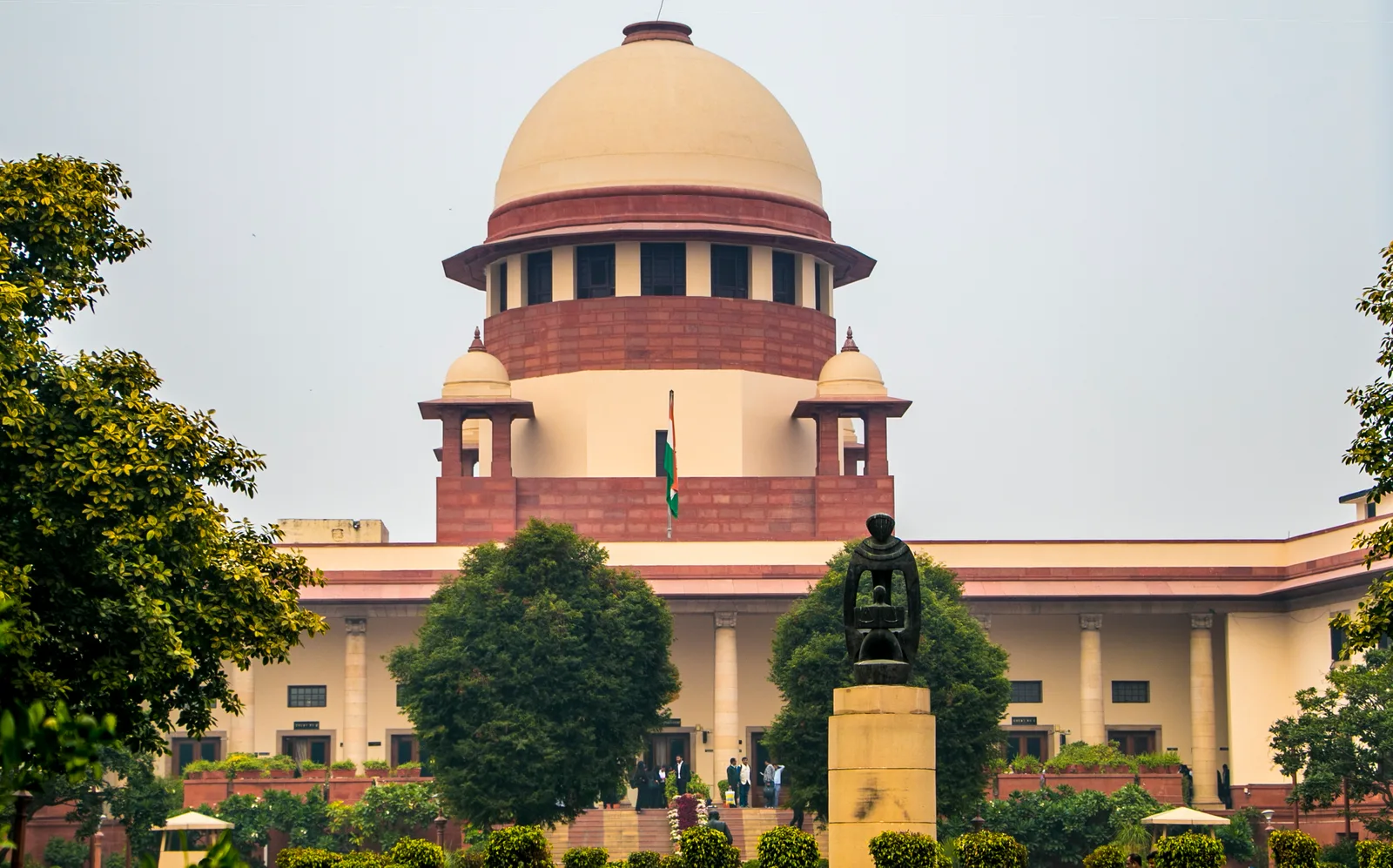 File photo
What happened
Key facts
- On October 16, 2026, the Supreme Court adjourned Athar Khan’s bail hearing by four weeks after the Delhi Police said it had filed its response.
- Khan is challenging the Delhi High Court’s decision rejecting his bail plea in a case registered under the Unlawful Activities (Prevention) Act.
- The Delhi High Court upheld the trial court’s order denying bail, saying material prima facie suggested Khan was allegedly involved in a larger conspiracy behind the February 2020 Northeast Delhi riots.
- The Delhi Police Special Cell alleges Khan organised a protest at Chand Bagh, delivered speeches allegedly intended to incite violence, attended meetings linked to the alleged conspiracy and helped coordinate destruction of CCTV cameras.
- The allegations against Khan have yet to be established at trial.
- Khan’s counsel argued in the High Court that he had been in custody for nearly six years and that his alleged role was limited to local-level facilitation.
- Additional Solicitor General S V Raju told the court that a reply had been filed; the court allowed Khan to respond to the Delhi Police’s reply.
- Khan is appealing a Delhi High Court judgment that refused him bail.
The brief
The Supreme Court on Friday adjourned by four weeks the hearing on Athar Khan’s bail application in a case brought under the Unlawful Activities (Prevention) Act that alleges a larger conspiracy behind the February 2020 northeast Delhi riots.
The pause follows the court’s issuance of notice to the Delhi Police and was taken so Khan can file a reply to the police’s submission, according to coverage of the proceedings. Khan, who was arrested in July 2020, has appealed a Delhi High Court decision dated July 7 that refused him bail after that court upheld a trial court order dated January 29 denying bail.
The High Court relied on Section 43D(5) of the UAPA, saying the material on record prima facie suggested Khan’s involvement beyond that of a local-level facilitator and therefore did not meet the statute’s strict conditions for grant of bail.
Reporting across outlets notes that the charges relate to the communal violence that broke out during protests over the Citizenship (Amendment) Act and the proposed National Register of Citizens in February 2020, violence the sources record as having killed 53 people and injured more than 700.
The Supreme Court’s four-week adjournment effectively delays consideration of whether the UAPA’s bail restrictions apply in Khan’s case until the court reviews the Delhi Police’s reply and Khan’s answer to it.
Coverage from the outlets in this pack is consistent on the procedural steps: arrest in July 2020, trial court denial on January 29, High Court refusal on July 7, and the Supreme Court’s current adjournment; they differ only in emphasis and phrasing rather than on the sequence of judicial orders.
The reporting does not include new documentary evidence presented to the Supreme Court at this hearing nor any independent verification of the prosecution’s allegation that Khan was a key conspirator; it limits itself to the recorded procedural history and the statutory basis—Section 43D(5)—that the High Court cited in refusing bail.
With the Supreme Court’s notice to the Delhi Police and the four-week pause, the next procedural step documented in the sources is Khan’s opportunity to reply to the police filing before the court resumes arguments on his appeal.
Why it matters
- Citizens in northeast Delhi bear concrete costs: the February 2020 riots are recorded in the sources as having killed 53 people and injured more than 700, and the ongoing legal process keeps allegations about the violence in active adjudication.
- Athar Khan faces the UAPA’s strict bail standard under Section 43D(5), a legal mechanism that limits pretrial liberty for defendants in terrorism-related prosecutions and directly affects Khan’s freedom while the trial proceeds.
- The Delhi Police’s filing and the Supreme Court’s granting of notice shape the evidentiary record that judges will review; how courts apply Section 43D(5) in this appeal will influence pretrial practice in other pending UAPA cases.
- Judicial timing matters for defendants and victims: the four-week adjournment delays final judicial consideration of whether Khan will remain in custody pending trial, prolonging legal uncertainty for those directly involved.
What to watch next
- Whether Athar Khan files a reply to the Delhi Police’s submission before the Supreme Court reconvenes in four weeks, as the court’s adjournment permits.
- Whether the Supreme Court sets a date for resumed arguments after receiving Khan’s reply and the Delhi Police’s filing, or whether it issues interim directions on custody or production.
- Whether the Supreme Court revisits the High Court’s reliance on Section 43D(5) of the UAPA when it hears Khan’s appeal.
- Whether any new documentary evidence or sworn affidavits are placed on record by the Delhi Police or Khan’s defence during the period before the next hearing.
How it's being covered
Coverage analysisShow details4 source articles · 4 unique outlets · 2 distinct reportsCoverage mix: Center Only· 3 CenterWhere the outlets are based: Asia 100%
- Coverage is currently concentrated among Center-rated outlets (3 of 3 rated sources); comparatively few Left or Right-rated outlets have published on the event.
- Coverage is currently concentrated among outlets based in Asia (4 of 4 geographically-identified sources).
How outlets' accounts compare
3 framing differences · 2 uncorroborated claims · 4 information gaps- India Today and indialegallive.com both report the adjournment and procedural history but differ in emphasis: India Today focuses on the court allowing Khan to answer the police reply, while indialegallive.com stresses the High Court’s reasoning that Khan was allegedly part of a larger conspiracy rather than a local facilitator.
- All sources that provide casualty figures agree on 53 killed and more than 700 injured.
- No source in this pack disputes the sequence of judicial orders; there are no contradictory accounts of dates or rulings among the provided texts.
- India Today and indialegallive.com attribute the characterization of Khan as allegedly involved in a larger conspiracy to the Delhi High Court and to the prosecution; neither source independently verifies that characterization.
- The High Court relied on Section 43D(5) of the UAPA in refusing bail, a legal claim documented in both India Today and indialegallive.com.
- None of the sources supplies the contents of the Delhi Police’s reply that the Supreme Court wants Khan to answer.
- No source details evidence the prosecution says links Khan to the alleged larger conspiracy or any defence evidence contesting those assertions.
- No source discusses how long Khan has remained in custody since his July 2020 arrest or the precise custodial status between courts.
- No source references any wider accountability, investigative commission, or independent probe into the February 2020 riots.
Timeline
Developments from this story's sources, dated background we compiled and fact-checked, and our earlier coverage. Each row says which.- AllegedThe case is registered under the Unlawful Activities (Prevention) Act (UAPA) and concerns an alleged larger conspiracy behind the February 2020 northeast Delhi riots.
- Athar Khan was arrested in July 2020 in connection with investigations flowing from those events.Background · from our historical context
- The Delhi High Court had upheld a trial court’s January 29 order denying Khan bail.
- Athar Khan challenged a Delhi High Court judgment dated July 7 that refused him bail.
How we got here
The immediate backdrop is a July 7, 2026 Delhi High Court judgment that refused bail to accused Athar Khan and upheld a trial court order dated January 29, 2026 denying him bail in proceedings linked to the February 2020 northeast Delhi violence.
The structural legal framework for that refusal is Section 43D(5) of the Unlawful Activities (Prevention) Act, a provision inserted by the Unlawful Activities (Prevention) Amendment Act, 2019.
Original sources
4 articles from 4 outlets · Asia · Show allEvery story links to the reporting it was built from. How we choose sources
Spotted a factual error, a broken link or a misleading summary? Tell us.