
Supreme Court to consider ECI decision that treats 47.56 lakh deleted Delhi electors as fresh voters
The Supreme Court agreed to address a petition challenging the Election Commission of India's instruction that excluded Delhi electors must re-enrol as first-time applicants after the Special Intensive Revision. The applicants say about 47.56 lakh electors were left out of the draft rolls and many were told to file fresh declarations; the court has recorded no observation and the ECI's reply is awaited.
AI-assisted synthesis · Based on 5 outlets' reporting · Full text read from 2 of 5 outletsHow it's made
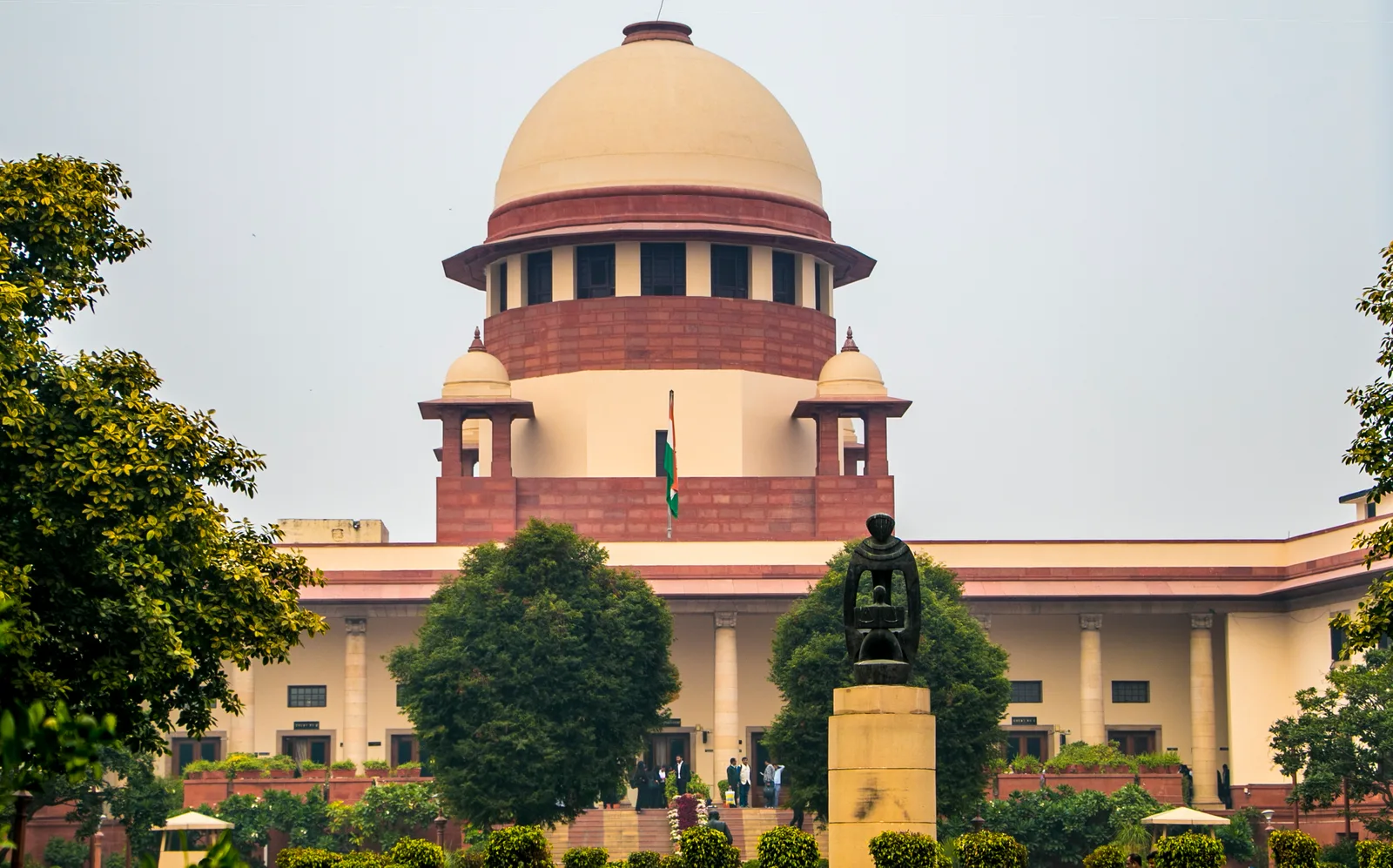 File photo
What happened
Key facts
- About 47.56 lakh electors were excluded from Delhi's draft electoral rolls published on 31 August during the Special Intensive Revision (per lawchakra.in).
- The Supreme Court issued notice in the pending petition and has agreed to hear an application challenging the ECI's requirement to treat previously enrolled electors as fresh applicants (per India Today, lawchakra.in, The Hindu).
- The Supreme Court told the Election Commission during the September 22 hearing that revision notices in Delhi were being sent “almost mechanically” and suggested considering additional safeguards (per India Today).
- The court has recorded that the applicants' contentions remain untested and the Election Commission's response to the recent application is pending (per India Today, lawchakra.in).
The brief
The Supreme Court has agreed to hear a challenge to the Election Commission of India’s decision that many electors removed from Delhi’s draft rolls during the Special Intensive Revision must re‑enrol as first‑time voters.
Petitioners say the ECI’s instructions require previously enrolled voters to submit the Form 6 declaration used by first‑time applicants and that about 47.56 lakh electors were left out of the draft published on 31 August; the court has so far issued notice and recorded that the petitioners’ contentions are untested.
The applicants also assert that 31.59 lakh of those excluded were classified as permanently shifted, a categorisation they contend is factually inapplicable to long‑standing electors and that would force many to file additional paperwork to regain their names on the rolls.
During an earlier hearing on September 22, the Supreme Court criticised the manner in which revision notices were being issued in Delhi, saying they were being sent “almost mechanically” and urging the Election Commission to adopt additional safeguards.
The petitioners have sought directions for the ECI to publish the list of electors who received revision notices and to state the specific reason for each notice; the ECI’s formal response to the recent application is awaited in the pending case.
India Today reports the court scheduled related hearings and that the period for filing claims and objections was extended until October 30, with the final voter list then set for publication on December 4.
The legal challenge asks the court to declare that previously enrolled voters should not be compelled to use the Form 6 declaration intended for first‑time applicants; if the court agrees, that could change the administrative process the ECI is using to restore names to the rolls.
The Supreme Court has issued notice and is set to place the application for hearing, with the petitioners pressing for disclosure of the list of revision‑notified electors and the reasons recorded against each.
At this stage the court has recorded no substantive observation on the application’s merits and is awaiting the ECI’s reply, leaving the immediate procedural question — whether deleted electors must submit fresh declarations — unresolved.
This case affects a large number of named electors in Delhi and hinges on administrative practice during the Special Intensive Revision: the petition frames the issue as one of applicability of a statutory form and of procedural fairness, while the Election Commission must now explain its classification and restoration process to the court.
The Supreme Court’s forthcoming hearing will determine whether the ECI must change its requirement that previously enrolled voters re‑declare themselves as first‑time applicants or provide alternative restoration procedures.
Why it matters
- Named Delhi electors bear the immediate administrative cost: about 47.56 lakh people may need to file first‑time voter declarations to regain enrolment, imposing time and procedural burdens documented in the petition.
- The Election Commission of India faces legal risk to its current restoration process because the Supreme Court has issued notice and is considering whether previously enrolled electors can be required to use Form 6, a judicial check on ECI administrative practice.
- Delhi's electoral roll integrity and the timing of the final list (scheduled for publication on December 4) are at stake because extended objection deadlines and potential court directions could alter who appears on the register before that publication.
- Political actors with interests in Delhi's electorate have a documented incentive to monitor the case because tens of lakhs of electors (32.78% of the pre‑SIR electorate, as reported) are implicated in classifications such as 'permanently shifted' that affect voter counts.
What to watch next
- Whether the Election Commission of India files its formal reply in the pending petition by the court‑set deadline ahead of the hearing the Supreme Court places on its docket.
- Whether the Supreme Court schedules and hears the application seeking disclosure of the list of electors issued revision notices and reasons, and the date the court lists that hearing.
- Whether the Supreme Court issues orders changing the ECI requirement that previously enrolled electors submit Form 6, and whether any such order alters the planned publication of the final voter list on December 4.
- Whether the extended period for filing claims and objections closes on October 30 as reported and how many restored electors file objections by that date.
How it's being covered
Coverage analysisShow details6 source articles · 5 unique outletsCoverage mix: Center Only· 4 CenterWhere the outlets are based: Asia 100%
- Coverage is currently concentrated among Center-rated outlets (4 of 4 rated sources); comparatively few Left or Right-rated outlets have published on the event.
- Coverage is currently concentrated among outlets based in Asia (5 of 5 geographically-identified sources).
How outlets' accounts compare
4 framing differences · 3 uncorroborated claims · 3 information gaps- lawchakra.in emphasises the scale of exclusion with precise figures (47.56 lakh excluded; 31.59 lakh classified as permanently shifted), while India Today focuses on procedural dates and the court’s remark that notices were issued “almost mechanically.”
- lawchakra.in reports 47.56 lakh electors excluded and 31.59 lakh classified as permanently shifted; India Today does not provide these figures.
- lawchakra.in attributes the figures and the description of the ECI directive to the applicants' filings in the pending petition; India Today attributes the court’s earlier remark about notices being sent 'almost mechanically' to the Supreme Court's September 22 hearing.
- Whether the ECI’s classification of 31.59 lakh electors as permanently shifted is accurate or appropriate; the petitioners dispute that classification and the ECI’s response is pending.
- lawchakra.in presents the causal chain that the SIR draft roll exclusion led the ECI to require first‑time enrolment declarations; India Today reports the court’s concern about mechanical issuance of notices but does not link exclusion figures to the ECI instruction explicitly.
- The Supreme Court said revision notices in Delhi were being sent 'almost mechanically'.
- The applicants say about 47.56 lakh electors were excluded from the draft rolls and 31.59 lakh were classed as permanently shifted.
- No report Updat3 read provides independent verification of how many of the 47.56 lakh excluded are long‑term residents versus genuinely new or shifted electors.
- No source explains the ECI’s internal methodology or data that led to the classification of electors as 'permanently shifted.'
- No source cites specific administrative records listing the names and reasons for each revision notice; the petition seeks disclosure of that list.
How we got here
Immediate backdrop: On August 31, draft electoral rolls for the National Capital Territory of Delhi were published during the Special Intensive Revision, and lawchakra.in reported that 47.56 lakh electors were excluded from those draft rolls.
The Election Commission of India had, in the revision process, treated previously enrolled electors as fresh applicants, and petitions challenging that approach were filed; the Supreme Court issued notice in the pending petition and agreed to hear an application challenging the ECI’s requirement (reported by India Today, lawchakra.in and The Hindu).
Original sources
6 articles from 5 outletsEvery story links to the reporting it was built from. How we choose sources
Spotted a factual error, a broken link or a misleading summary? Tell us.