
Democratic Senate candidates pivot messaging from Green New Deal to energy affordability, Washington Examiner says
The Washington Examiner reports Democratic Senate candidates have shifted campaign language away from phrases like "climate change" toward energy affordability and energy security. The outlet says some Democrats now include a role for oil and gas in energy plans and highlights Sen. Jon Ossoff focusing his reelection messaging on rising household energy costs.
AI-assisted synthesis · Based on 2 outlets' reporting · Full text read from 1 of 2 outletsHow it's made
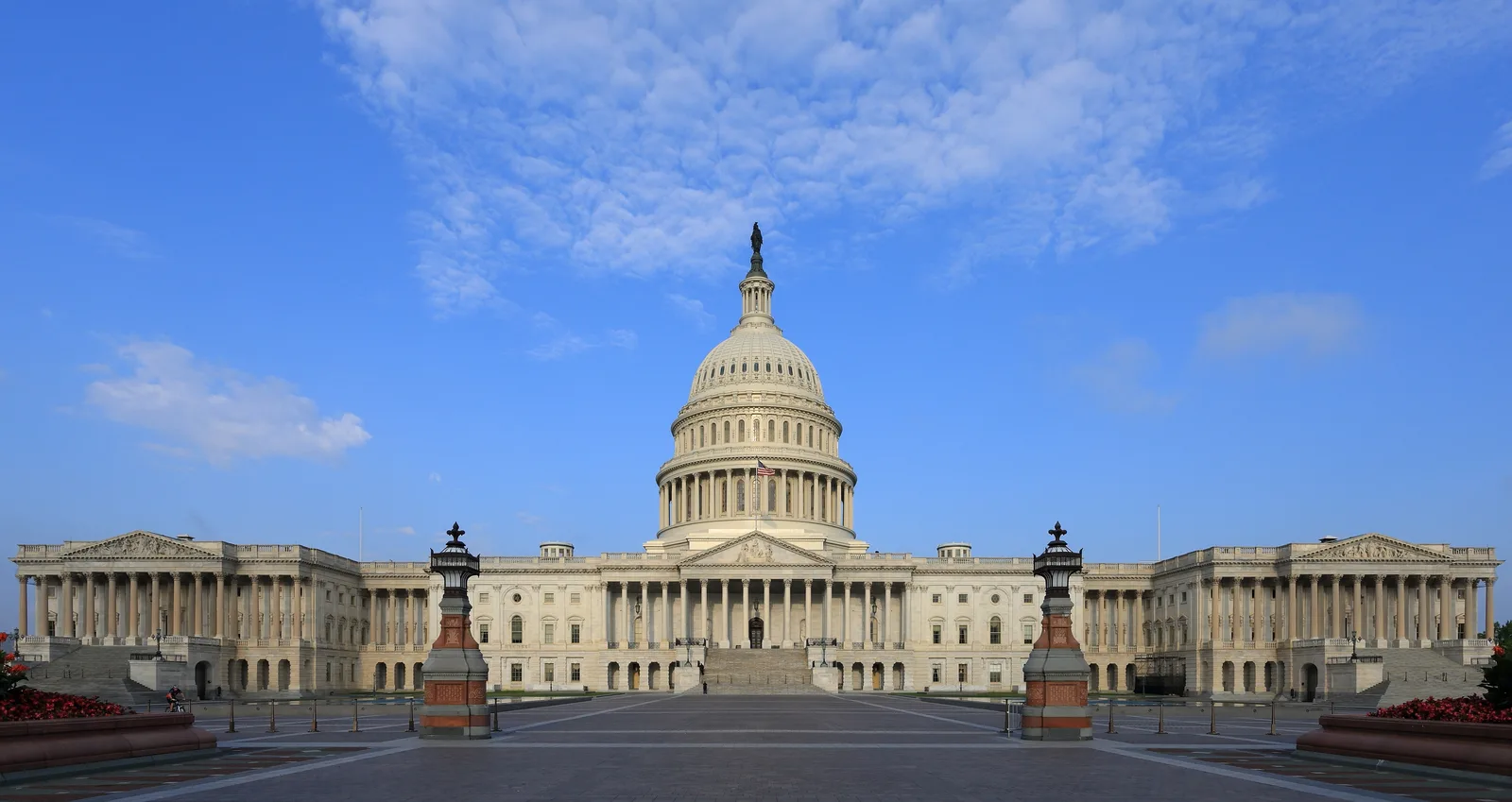 File photo
What happened
Key facts
- Democratic Senate candidates have increasingly avoided using the phrases "climate change" or "global warming" in press releases and campaign language (per Washington Examiner).
- Democrats shifted messaging toward energy affordability as energy costs rose (per Washington Examiner).
- Some key Democrats have proposed energy security plans that include a role for oil and gas (per Washington Examiner).
- Sen. Jon Ossoff (D-GA) has focused his reelection campaign messaging on energy affordability and concerns about rising household costs and data-center-related energy demand (per Washington Examiner).
- In 2019 many Democrats championed the Green New Deal, which called for a large reorganisation of the economy and increased spending on clean energy (per Washington Examiner).
- In 2021 Jon Ossoff spoke in favour of the Bipartisan Infrastructure Law, which the article says contained some clean energy provisions (per Washington Examiner).
- Newsweek's headline also indicates swing-state Democratic Senate candidates have diverged on issues including impeachment and by implication messaging, corroborating that outlets reported differences among Democratic Senate candidates (per Washington Examiner, Newsweek).
The brief
The Washington Examiner reports that Democratic Senate campaigns are abandoning explicit climate terminology and refocusing on energy affordability and security. According to that article, candidates have moved away from using phrases such as "climate change" or "global warming" in press materials and on the campaign trail, instead emphasising the cost of energy for households.
The Examiner connects the shift to rising energy costs, and says some Democratic proposals now explicitly accommodate a continued role for oil and gas within broader energy-security plans. The piece highlights Sen.
Jon Ossoff (D-GA) as an example: the Examiner says Ossoff has centred his reelection messaging on concerns about rising household expenses and on energy demand driven by data centres.
The article notes that Ossoff endorsed the Bipartisan Infrastructure Law in 2021 and that the Examiner views that law as containing some clean energy provisions; it uses Ossoff's recent campaign language to illustrate how at least one incumbent Democrat is emphasising affordability over climate framings.
The Examiner contrasts that present-day messaging with 2019, when many Democrats championed the Green New Deal as a federal climate initiative that proposed a major reorganisation of the economy and large increases in clean-energy spending.
The article says Democrats who once used Green New Deal rhetoric have dialled back that language as voters have been affected by higher costs for groceries, rent and energy. The piece also reports that some Democratic energy-security proposals explicitly include oil and gas as part of the plan, signalling a rhetorical and policy accommodation to current energy-price concerns.
The Examiner frames this as a notable change in how Democratic Senate contenders discuss energy policy, portraying energy affordability as the dominant theme in campaign communications rather than the earlier prioritisation of climate-specific language.
Separately, a Newsweek headline cited in the source list indicates that swing-state Democratic Senate candidates diverge on issues including impeachment and, by implication, campaign posture; that headline corroborates that outlets reported differences among Democrats on messaging and priorities.
The Washington Examiner article does not quantify how many candidates have changed their language or list every campaign adopting the shift, but it presents Ossoff and the broader messaging trend as the core evidence.
The available reporting is limited to the Examiner's account and the Newsweek headline; the Examiner supplies the detailed examples and chronology it uses to characterise the shift from Green New Deal language to an emphasis on energy affordability and a role for traditional fuels.
Why it matters
- Household consumers face higher out-of-pocket costs for groceries, rent and power, and Democratic Senate candidates are prioritising energy affordability in campaign messaging to address those cited expenses.
- Sen. Jon Ossoff (D-GA) has tailored his reelection messaging to highlight rising household energy costs and data-centre-driven demand, indicating incumbents may recalibrate policy emphasis to defend seats.
- The inclusion of oil and gas in some Democrats' energy-security proposals creates competing policy interests within the party between advocates of aggressive clean-energy spending and candidates emphasising near-term affordability, as documented by the Washington Examiner.
What to watch next
- Whether individual Democratic Senate campaigns explicitly adopt energy-security plans that include oil and gas, as the Washington Examiner reports some have done.
- Whether Sen. Jon Ossoff continues to centre his reelection messaging on energy affordability and data-centre demand, as described in the Examiner piece.
- Whether more Democratic candidates publicly remove phrases like "climate change" or "global warming" from press releases and campaign language, following the pattern the Washington Examiner reports.
How it's being covered
Coverage analysisShow details2 source articles · 2 unique outletsCoverage mix: Too few rated· 1 Center · 1 RightWhere the outlets are based: US/Canada 100%
- Coverage is currently limited to 2 outlets.
How outlets' accounts compare
How we got here
Immediate backdrop: Democratic Senate campaigns have been operating in an environment shaped by the 2019 introduction of the Green New Deal resolution by Rep. Alexandria Ocasio-Cortez and Sen. Ed Markey (filed February 7, 2019), and by subsequent public debate over that resolution through 2019–2020.
Structural roots: the Bipartisan Infrastructure Law (the Infrastructure Investment and Jobs Act), signed into law on November 15, 2021 by President Joe Biden, established federal funding streams for grid upgrades and some clean-energy provisions that have framed later campaign discussions of energy policy.
Original sources
2 articles from 2 outletsEvery story links to the reporting it was built from. How we choose sources
Spotted a factual error, a broken link or a misleading summary? Tell us.