
DHS orders DeepSeek removal as Huawei plans to supply its AI chips
ZeroHedge says the U.S. Department of Homeland Security ordered DeepSeek removed from federal systems. The outlet also says DeepSeek is developing software for Huawei chips and that Huawei plans to provide most of its Ascend 960DT training chips when they launch next year.
AI-assisted synthesis · Based on 5 outlets' reporting · Article text read from 1 of 5 outlets · 1 article captured only in partHow it's made
View timeline · 10 entries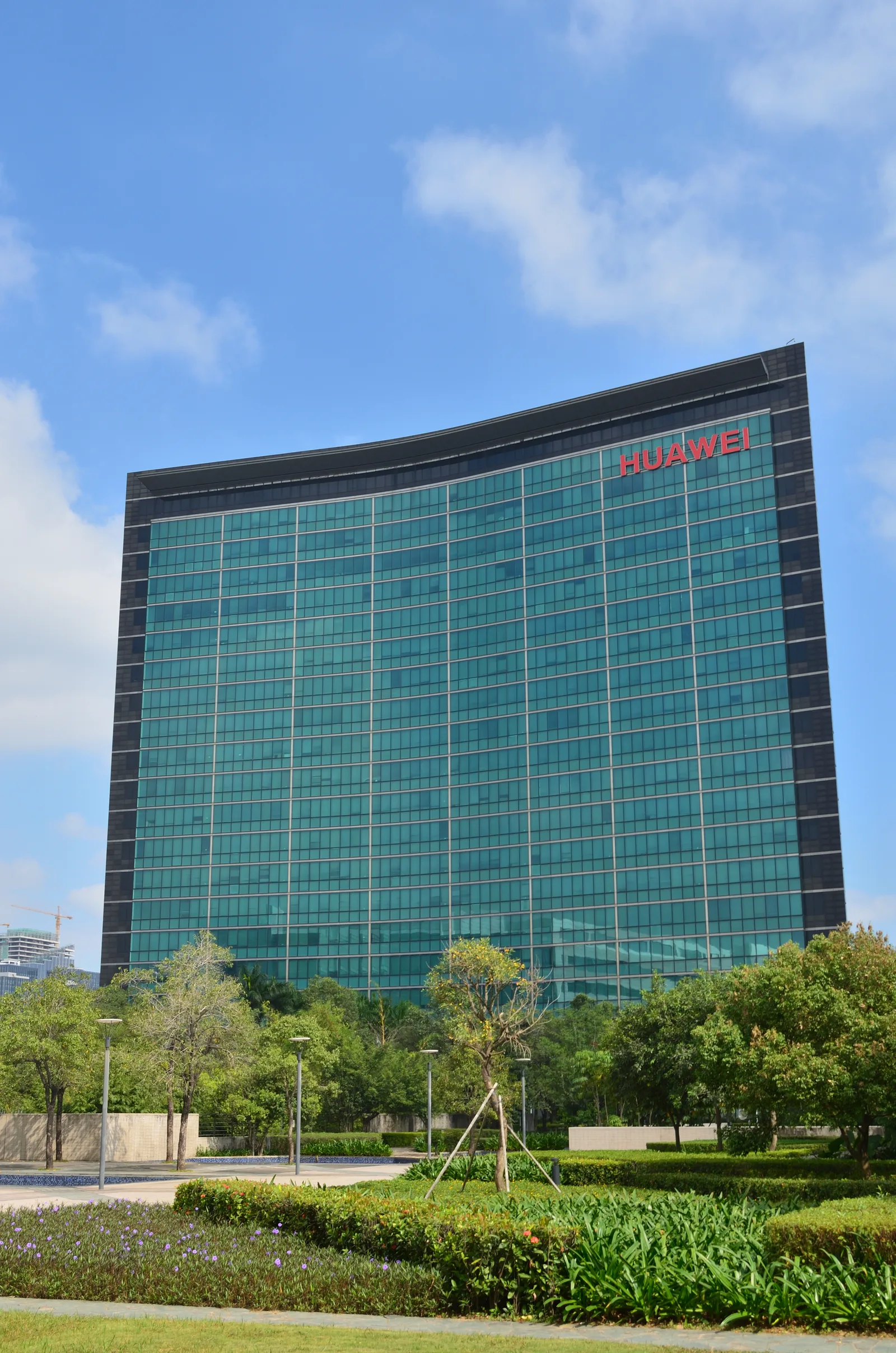 File photo
What happened
Key facts
- The headlines say the U.S. Department of Homeland Security ordered DeepSeek removed from federal or government IT systems (per zerohedge.com).
- ZeroHedge says two DeepSeek-related headlines appeared within hours of each other on Monday (per zerohedge.com).
- ZeroHedge says DeepSeek aimed to deploy more than 160,000 Huawei AI chips (per zerohedge.com).
- ZeroHedge says DeepSeek released an Ascend port of TileLang and Ascend versions of its DeepGEMM and DeepEP libraries on Sept 30 (per zerohedge.com).
- ZeroHedge says DeepSeek credited Huawei and described a jointly optimized 128-chip Ascend 950 “supernode.” (per zerohedge.com).
- ZeroHedge says Huawei plans to supply DeepSeek with most of its Ascend 960DT training chips when they launch next year (per zerohedge.com).
- ZeroHedge says that in July Axios reported the administration was reviving plans for procurement rules, Entity List threats and security advisories targeting Chinese open models, including Kimi and Qwen (per zerohedge.com).
The brief
The U.S. Department of Homeland Security ordered DeepSeek removed from federal systems, according to the headline carried by ZeroHedge. Headlines from The Wall Street Journal, DigiTimes, iTMunch and AOL likewise describe an order to remove DeepSeek from federal civilian or government IT systems. The available wording identifies the systems broadly; it does not detail the order’s implementation. ZeroHedge places the notice alongside developments in DeepSeek’s work with Huawei hardware. The outlet says two DeepSeek-related headlines appeared within hours of one another on Monday, presenting the federal procurement action and the chip work as parallel developments. Its account characterizes them as part of a move toward separate U.S. and Chinese AI technology stacks. On the technology side, ZeroHedge says DeepSeek had aimed to deploy more than 160,000 Huawei AI chips. It also reports that DeepSeek released an Ascend-compatible port of TileLang, alongside Ascend versions of its DeepGEMM and DeepEP libraries, on Sept 30. According to the outlet, DeepSeek credited Huawei and highlighted a jointly optimized 128-chip Ascend 950 “supernode.”
ZeroHedge further says Huawei plans to provide DeepSeek with most of its Ascend 960DT training chips when those chips launch next year. The account does not provide a specific launch date or a number of chips for that planned supply. The reported plan is distinct from the earlier aim to deploy more than 160,000 Huawei chips. The article also places the DHS notice in the context of earlier procurement-policy discussions. ZeroHedge says that in July Axios reported the administration was reviving plans to restrict Chinese open models through procurement rules, Entity List threats and security advisories. The outlet names Kimi and Alibaba’s Qwen as models in the crosshairs of those reported plans. ZeroHedge calls the DHS notice a procurement action and links it in its framing to the reported expansion of DeepSeek’s Huawei-related work. The cited account does not state that the chip plans caused the removal order, or provide a government explanation for the order. It presents the two developments as evidence of increasingly distinct technology stacks, while the removal order’s specific scope and the timing of Huawei’s planned chip supply remain unspecified in the described details.
Why it matters
- Federal agencies are the directly named users affected by the removal order: the mechanism is taking DeepSeek off federal systems, although the headlines do not specify which systems or how the order is carried out.
- DeepSeek’s reported hardware plan involves Huawei chips: ZeroHedge says the company aimed to deploy more than 160,000 Huawei AI chips and that Huawei plans to supply most Ascend 960DT training chips when they launch next year.
- Huawei and DeepSeek have a documented technology relationship in the account: ZeroHedge describes DeepSeek’s Ascend software releases and the jointly optimized 128-chip Ascend 950 “supernode.”
- The administration’s reported policy plans named Kimi and Alibaba’s Qwen alongside procurement rules, Entity List threats and security advisories; ZeroHedge connects that context to the federal procurement notice.
What to watch next
- Whether DHS specifies which federal systems or agencies must remove DeepSeek technology.
- Whether DHS provides an explanation for the removal order.
- Whether Huawei launches the Ascend 960DT chips and supplies DeepSeek with most of its training chips, as ZeroHedge reports is planned for next year.
- Whether DeepSeek proceeds with its stated aim to deploy more than 160,000 Huawei AI chips.
How it's being covered
Coverage analysisShow details5 source articles · 5 unique outletsOutlet political mix: Mostly Right· 1 Center · 2 Right · 2 unratedWhere the outlets are based: US/Canada 60% · Unknown 40%
How outlets' accounts compare
Timeline
Developments from this story's sources, dated background we compiled and fact-checked, and our earlier coverage. Each row says which.- President George W. Bush signed the Homeland Security Act, which established the Department of Homeland Security.Background · compiled and fact-checked by Updat3
- The House Intelligence Committee released a report on Huawei and ZTE, citing security concerns.Background · compiled and fact-checked by Updat3
- Huawei had been placed on the Commerce Department’s Entity List in May 2019, requiring licenses for many U.S. exports to the company.Background · from our historical context
- The CHIPS and Science Act, signed by President Joe Biden on Aug. 9, 2022, funded U.S. semiconductor production and research.Background · from our historical context
- The Commerce Department imposed controls on advanced computing chips and semiconductor-manufacturing equipment.Background · compiled and fact-checked by Updat3
- Liang Wenfeng founded DeepSeek in Hangzhou, China.Background · compiled and fact-checked by Updat3
- The Commerce Department updated its controls on advanced computing chips and semiconductor-manufacturing equipment.Background · compiled and fact-checked by Updat3
- DeepSeek released its R1 reasoning model.Background · compiled and fact-checked by Updat3
- In July 2026, Axios reported that the U.S. administration was considering procurement rules, Entity List threats and security advisories aimed at Chinese open-weight AI models, including Kimi and Qwen.Background · from our historical context
- DeepSeek published Ascend-compatible versions of TileLang, DeepGEMM and DeepEP, crediting Huawei and describing a jointly optimized 128-chip Ascend 950 system.Background · compiled and fact-checked by Updat3
How we got here
On Sept. 30, DeepSeek published Ascend-compatible versions of TileLang, DeepGEMM and DeepEP, crediting Huawei and describing a jointly optimized 128-chip Ascend 950 system. In July 2026, Axios reported that the U.S. administration was considering procurement rules, Entity List threats and security advisories aimed at Chinese open-weight AI models, including Kimi and Qwen.
The Commerce Department’s Bureau of Industry and Security imposed controls on advanced computing chips and semiconductor-manufacturing equipment in October 2022, then updated them in October 2023. The CHIPS and Science Act, signed by President Joe Biden on Aug. 9, 2022, funded U.S. semiconductor production and research.
Original sources
5 articles from 5 outletsEvery story links to the reporting it was built from. How we choose sources
Spotted a factual error, a broken link or a misleading summary? Tell us.