
DiNapoli commits New York pension funds to Israel bonds
New York State Comptroller Tom DiNapoli pledged to keep pension funds invested in Israel bonds, with the state system holding more than $360 million. His stance contrasts with New York City Comptroller Mark Levine’s decision not to reinvest city pension money in the bonds.
AI-assisted synthesis · Based on 3 outlets' reporting · Article text read from 1 of 3 outletsHow it's made
View timeline · 7 entries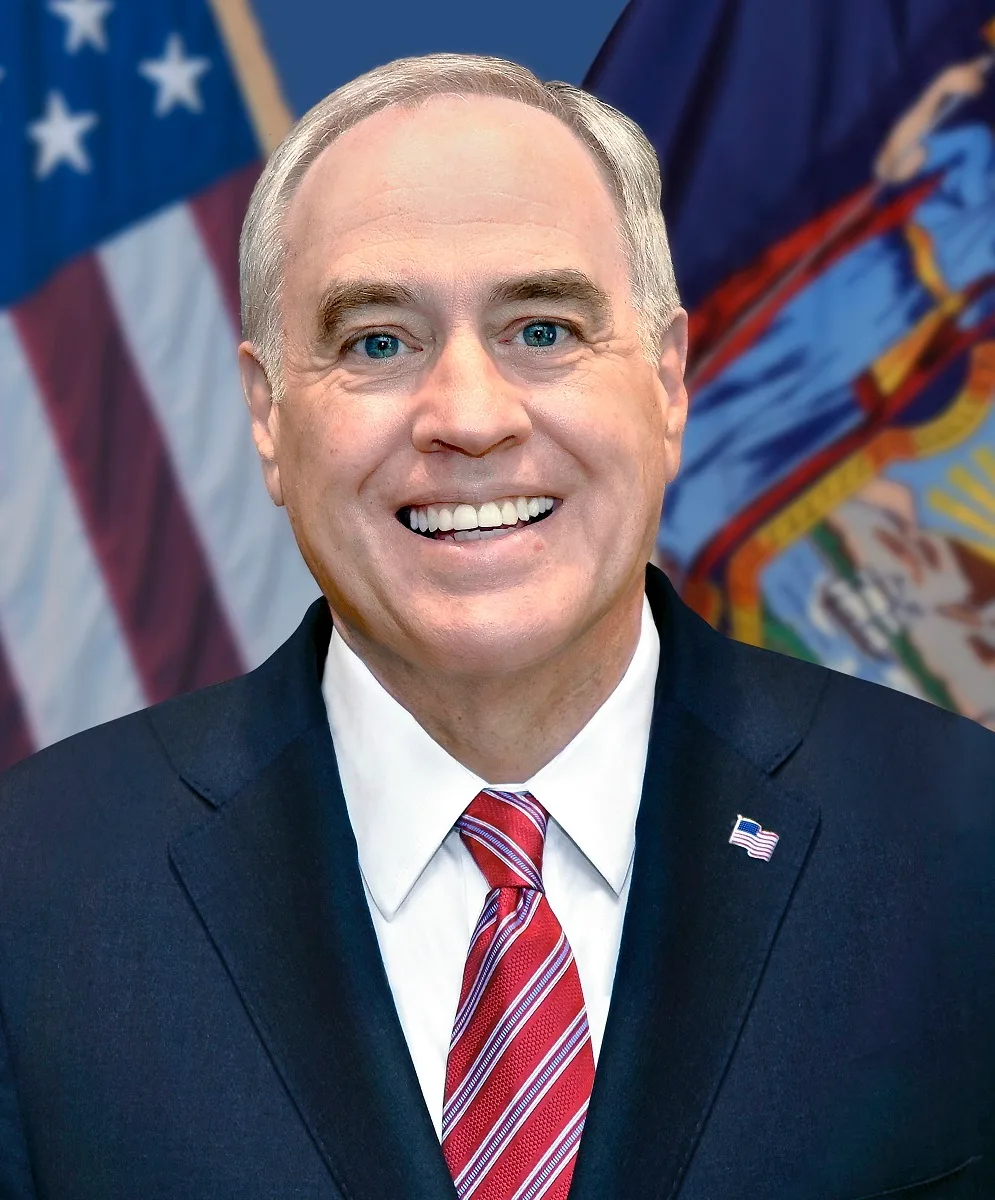 File photo
What happened
Key facts
- The New York State pension system has more than $360 million invested in Israel bonds.
- Mark Levine said he would not reinvest city pension money in Israel bonds.
The brief
New York State Comptroller Tom DiNapoli pledged to keep state pension funds invested in Israel bonds, the New York Post reported. The state pension system held more than $360 million in the bonds, according to the outlet, which put the overall portfolio at $309.7 billion.
The New York Post described DiNapoli's position against the backdrop of a divestment push by pro-Palestinian activists, including Mayor Zohran Mamdani. The outlet did not quote DiNapoli explaining the financial considerations behind his pledge or specify any investment terms. The decision contrasts with New York City Comptroller Mark Levine's position.
The New York Post reported that Levine said he would not reinvest city pension money in Israel bonds. The outlet said DiNapoli's announcement followed Levine's decision by about a week. Levine told the Times that his approach was based on financial considerations rather than politics.
The New York Post also reported that, during a debate with Justin Brannan, a former Brooklyn councilman, Levine argued that Israel and Israel bonds belonged in the city's globally diversified portfolio. Levine said Israel bonds had paid solid dividends for 75 years.
His comments presented a case for including the bonds in a diversified portfolio, while his stated decision was not to reinvest city pension money in them. The New York Post did not provide a dollar amount for New York City's holdings or describe how Levine's decision would be implemented. The New York Post also described Levine as Jewish and a backer of Israel.
Those details appeared alongside its account of his investment position; the outlet quoted him grounding that position in financial considerations. DiNapoli's pledge concerns New York State pension funds, while Levine's decision concerns New York City pension money.
The New York Post's account therefore describes separate investment decisions by the two comptrollers, with the state system's Israel bond holdings quantified at more than $360 million.
Why it matters
- The state pension system's more than $360 million in Israel bonds is the concrete investment at issue in DiNapoli's pledge.
- DiNapoli's decision affects the New York State pension system; Levine's separate non-reinvestment decision concerns New York City pension money.
- Levine said his investment approach rests on financial considerations and described Israel bonds as having paid solid dividends for 75 years.
What to watch next
- Whether DiNapoli carries out his pledge to continue investing state pension funds in Israel bonds.
- Whether Levine follows through on his stated decision not to reinvest New York City pension money in the bonds.
How it's being covered
Coverage analysisShow details3 source articles · 3 unique outletsOutlet political mix: Too few rated· 1 Right · 2 unratedWhere the outlets are based: US/Canada 67% · Unknown 33%
How outlets' accounts compare
Timeline
Developments from this story's sources, dated background we compiled and fact-checked, and our earlier coverage. Each row says which.- The New York State and Local Employees’ Retirement System was established in 1921, and the State Comptroller became trustee of the Common Retirement Fund.Background · from our historical context
- Israel declared independence on May 14, 1948, and neighboring Arab states entered the war that followed.Background · from our historical context
- The Israel-bond program itself grew out of Israel’s establishment on May 14, 1948, and the economic demands facing the new government.Background · from our historical context
- The immediate historical backdrop was the creation of Israel’s government-bond program in 1951, when the Development Corporation for Israel began selling bonds to raise money for the new state.Background · from our historical context
- Mark Levine said in a Democratic primary debate that Israel Bonds should be included in a globally diversified portfolio.Background · compiled and fact-checked by Updat3
- Mark Levine was elected New York City comptroller.Background · compiled and fact-checked by Updat3
- Mark Levine took office as New York City comptroller.Background · compiled and fact-checked by Updat3
How we got here
The immediate historical backdrop was the creation of Israel’s government-bond program in 1951, when the Development Corporation for Israel began selling bonds to raise money for the new state. The first national bond campaign opened in New York City in May 1951, with Prime Minister David Ben-Gurion seeking funds for Israel’s economic development.
New York’s public-pension investment system developed under separate rules from the bond program. The New York State and Local Employees’ Retirement System was established in 1921, and the State Comptroller became trustee of the Common Retirement Fund.
Original sources
3 articles from 3 outletsEvery story links to the reporting it was built from. How we choose sources
Spotted a factual error, a broken link or a misleading summary? Tell us.