
Justice Department seeks faster discovery in Peltola election lawsuit
The Justice Department is asking a court to expedite discovery from Mary Peltola’s campaign in its Alaska election lawsuit, a move that could help the case proceed more quickly.
AI-assisted synthesis · Based on 5 outlets' reporting · Article text read from 1 of 5 outletsHow it's made
View timeline · 12 entries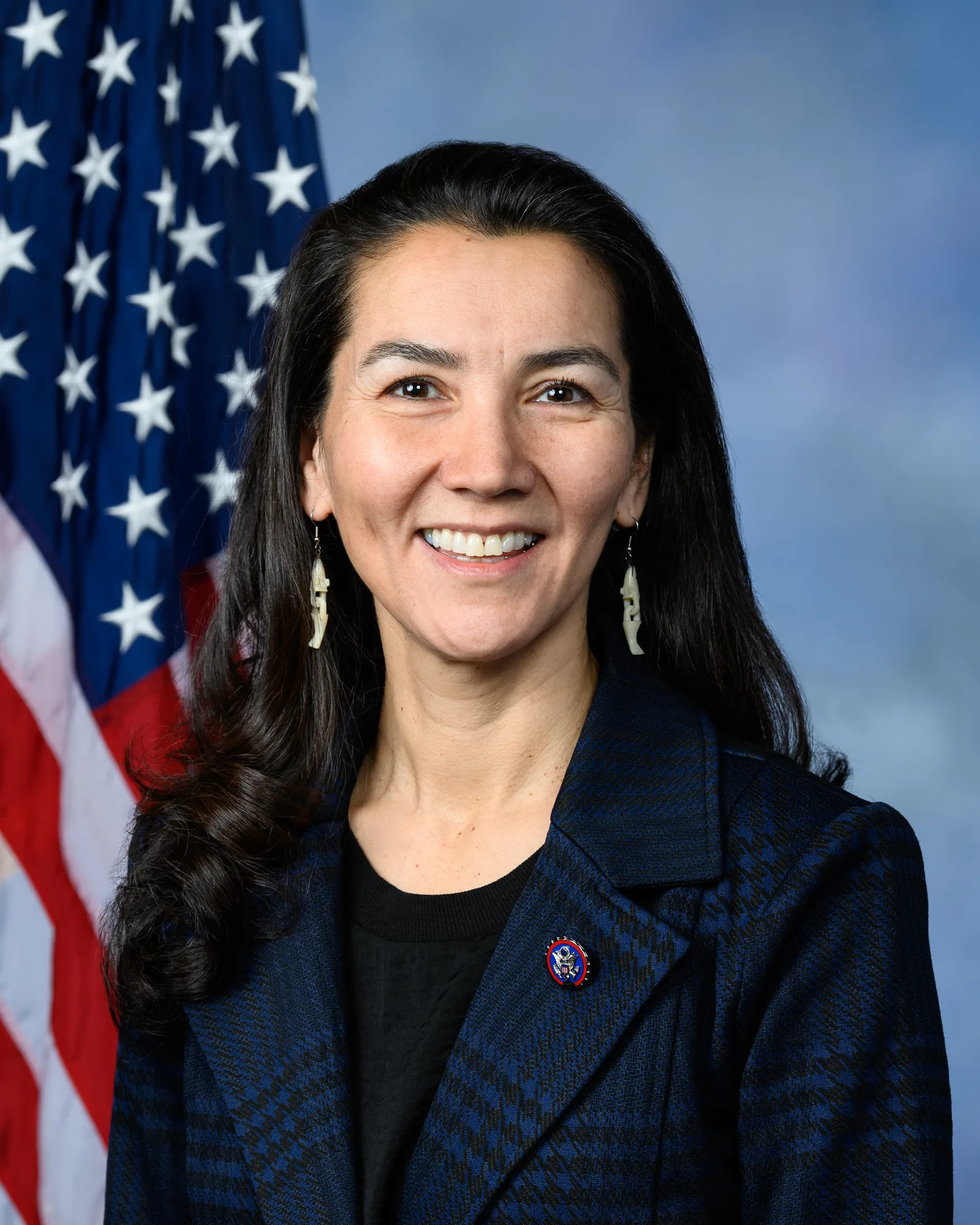 File photo
What happened
Key facts
- The Justice Department is seeking expedited discovery in its Alaska lawsuit (per Washington Examiner).
- The department said it would seek discovery from the Peltola campaign about the timing of its request for an expedited ruling on a motion to dismiss (per Washington Examiner).
- The department said it would examine whether the campaign may have known about New York Times reporting before publication when it sought an expedited ruling (per Washington Examiner).
- The department described the matter in its filing as a “reported conspiracy.” (per Washington Examiner).
- The department filed a lawsuit seeking to block certification of the Alaska Senate election results if the election were found to be tainted by voter confusion (per Washington Examiner, lawandcrime.com, Yahoo).
- The Justice Department has argued that Democrats deliberately planned a second candidate named Dan Sullivan to confuse voters who might mistake him for Sen. Dan Sullivan (per Washington Examiner).
- The New York Times reported that the Peltola campaign coordinated with Democratic operatives to recruit a second Dan Sullivan for the Senate ballot (per Washington Examiner).
- Rios said in interviews that the Democratic Senatorial Campaign Committee and other Democratic operatives coordinated with her and Anton McParland, then Peltola’s chief of staff, on the alleged scheme (per Washington Examiner).
- The Justice Department cited a New York Times interview in which Sen. Dan Sullivan said he had voted for Peltola in her 2022 and 2024 House campaigns and for the Democratic presidential nominee in the three most recent presidential elections (per Washington Examiner).
The brief
The Justice Department said it plans to seek expedited discovery from Mary Peltola’s campaign in its Alaska election lawsuit, asking whether the campaign’s effort to obtain a quick ruling on its motion to dismiss came after it learned that New York Times reporting was about to be published. The Washington Examiner reported that the department raised the question in a court filing and characterized the matter under examination as a “reported conspiracy.”
The filing says the United States intends to seek information from the campaign about whether it tried to mislead the court by requesting an expedited decision while it may have known of the forthcoming coverage. That is an issue the department says it wants to investigate; the filing’s question does not itself establish that the campaign knew of the report or misled the court. The lawsuit concerns the Alaska Senate election. The Justice Department filed it seeking to block the election results from being certified if the vote were found to have been tainted by voter confusion, according to the Washington Examiner. The outlet reported that the department’s position centers on the allegation that Democrats deliberately planned for a second candidate named Dan Sullivan to appear on the Senate ballot and confuse voters who might think they were choosing Sen. Dan Sullivan. The New York Times reported that Peltola’s campaign coordinated with Democratic operatives to recruit the second candidate. The Washington Examiner said Rios, Peltola’s former campaign manager, described in interviews coordination involving the Democratic Senatorial Campaign Committee, other Democratic operatives, herself and Anton McParland, who was then Peltola’s chief of staff. The account presents the alleged coordination as a claim, not a court finding. The Justice Department pointed to a New York Times interview in which Sen. Dan Sullivan said he voted for Peltola in her 2022 and 2024 House campaigns. He also said he voted for the Democratic presidential nominee in each of the three most recent presidential elections, according to the Washington Examiner. The department’s argument is that such voting history bears on why voters might be confused by a second candidate with the same name. The immediate procedural issue is whether the court will allow the department to gather evidence on an accelerated basis and what that evidence may show about the campaign’s request for a fast ruling. Law and Crime News also reported that the department is pushing for expedited discovery in a lawsuit seeking to bar the Alaska Senate race results. The available account does not give a court decision on the discovery request.
Why it matters
- The Justice Department’s lawsuit puts certification of the Alaska Senate election results at stake if a court finds the election was tainted by voter confusion.
- The department’s discovery request could bring evidence about the campaign’s timing and whether it knew of the New York Times reporting before seeking an expedited ruling.
- The allegation concerns an effort to recruit a second candidate named Dan Sullivan; the Justice Department says the shared name could confuse voters.
What to watch next
- Whether the court grants the Justice Department’s request for expedited discovery.
- What evidence the department obtains about the campaign’s motion to dismiss and the timing of its request for an expedited ruling.
- Whether discovery establishes that the campaign knew about the New York Times reporting before publication.
How it's being covered
Coverage analysisShow details5 source articles · 5 unique outletsOutlet political mix: Too few rated· 1 Center · 1 Right · 3 unratedWhere the outlets are based: US/Canada 40% · Unknown 40% · Other 20%
How outlets' accounts compare
Timeline
Developments from this story's sources, dated background we compiled and fact-checked, and our earlier coverage. Each row says which.- The Federal Contested Elections Act, enacted in 1969, sets procedures for House election contests; it does not provide the same statutory process for Senate contests.Background · from our historical context
- Dan Sullivan was elected to the U.S. Senate from Alaska.Background · compiled and fact-checked by Updat3
- In 2019, Alaskans for Better Elections began the campaign that put Measure 2 before voters, arguing for changes to campaign-finance disclosure and election procedures.Background · from our historical context
- Alaska’s current election framework dates to Ballot Measure 2, approved by voters on August 18, 2020.Background · from our historical context
- Alaska voters approved Ballot Measure 2, establishing a top-four primary and ranked-choice voting for general elections.Background · compiled and fact-checked by Updat3
- Dan Sullivan won reelection to the U.S. Senate from Alaska.Background · compiled and fact-checked by Updat3
- The measure took effect in 2022, when Alaska held its first statewide elections under the top-four primary and ranked-choice general-election system.Background · from our historical context
- Mary Peltola won Alaska’s special U.S. House election.Background · compiled and fact-checked by Updat3
- Mary Peltola won election to a full term in Alaska’s U.S. House race.Background · compiled and fact-checked by Updat3
- In 2024, Republican Nick Begich defeated Peltola in the House race.Background · from our historical context
- Alaska voters rejected a measure to repeal the state’s top-four primary and ranked-choice voting system.Background · compiled and fact-checked by Updat3
- Public polls showed Dan Sullivan and Mary Peltola in a close Alaska Senate race ahead of the general election.Background · compiled and fact-checked by Updat3
How we got here
Alaska’s current election framework dates to Ballot Measure 2, approved by voters on August 18, 2020. It replaced party primaries with an open top-four primary and introduced ranked-choice voting in general elections; Alaska voters rejected a 2024 measure to repeal that system.
In 2019, Alaskans for Better Elections began the campaign that put Measure 2 before voters, arguing for changes to campaign-finance disclosure and election procedures. The measure took effect in 2022, when Alaska held its first statewide elections under the top-four primary and ranked-choice general-election system.
Original sources
5 articles from 5 outletsEvery story links to the reporting it was built from. How we choose sources
Spotted a factual error, a broken link or a misleading summary? Tell us.