
DOJ sends Weber, LA registrar password‑protected list, urges segregation and interception of ballots
The U.S. Department of Justice sent letters to California Secretary of State Shirley Weber and Los Angeles County Registrar-Recorder Dean Logan asking them to review a federal list of people the DOJ says are “likely noncitizens” who were sent mail‑in ballots. The letters included password‑protected thumb drives and instructed officials to segregate or intercept ballots they cannot confirm are associated with U.S. citizens, and they gave officials 48 hours to respond or face possible legal action.
AI-assisted synthesis · Based on 5 outlets' reporting · Full text read from 3 of 5 outletsHow it's made
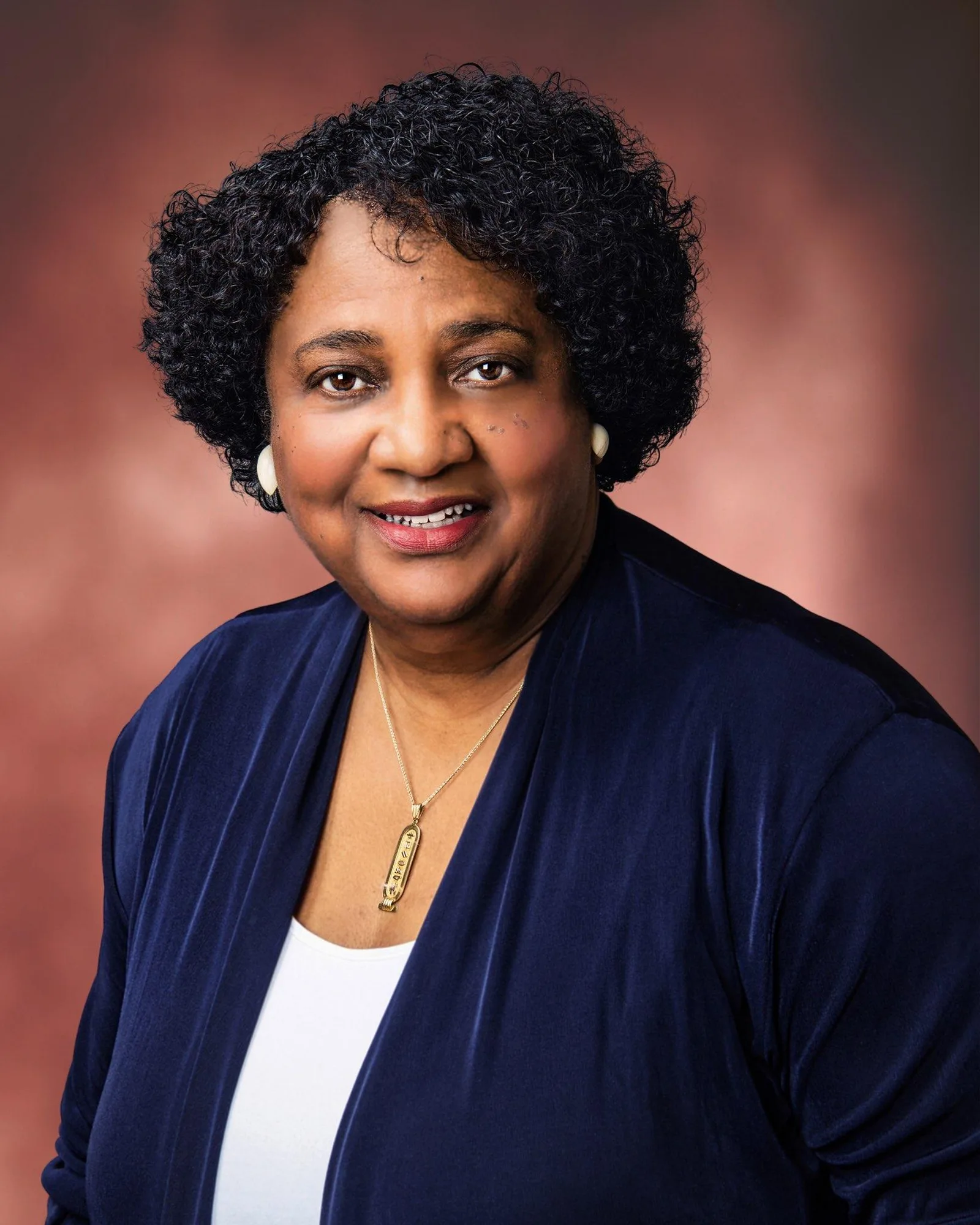 File photo
What happened
Key facts
- The Department of Justice sent letters to California Secretary of State Shirley Weber and Los Angeles County Registrar-Recorder and Clerk Dean Logan requesting review of a federal list of people the DOJ says are “likely noncitizens” who were sent mail‑in ballots (per Washington Examiner, NBC News).
- The DOJ provided a password‑protected thumb drive containing names it said are persons the federal government “believes are likely noncitizens who were sent a vote‑by‑mail ballot.” (per NBC News, Washington Examiner, Los Angeles Times).
- The DOJ asked Weber and Logan to respond within 48 hours and warned that failure to comply could lead to emergency court action or legal threats (per Washington Examiner, NBC News, Los Angeles Times).
- The letters trace back to a July communication from Homeland Security Secretary Markwayne Mullin informing Secretary Weber that there were “likely numerous noncitizens registered to vote in the federal election in California,” according to the Washington Examiner (per Washington Examiner, Los Angeles Times).
The brief
The U.S. Department of Justice sent formal letters to California Secretary of State Shirley Weber and Los Angeles County Registrar‑Recorder and Clerk Dean Logan asking them to examine a federal list of people the DOJ says are “likely noncitizens” who received mail‑in ballots for the upcoming Nov. 3 election.
The letters, obtained by multiple outlets, included password‑protected thumb drives that the DOJ said contained names it believes are potential noncitizens and required state and county officials to respond within 48 hours or face possible emergency court action.
The DOJ instructed that ballots linked to names that cannot be independently verified as citizens should be “segregated,” and that ballots not yet mailed should be intercepted when citizenship cannot be confirmed. Officials in Los Angeles County said they have not opened the provided thumb drive, citing data privacy and information security protocols.
Dean Logan's office, as reported, said accessing the drive would conflict with those established safeguards while reiterating a commitment to a fair 2026 general election.
Secretary of State Shirley Weber likewise received a DOJ notice, and reporting traces the chain of concern to a July communication from Homeland Security Secretary Markwayne Mullin that told Weber there were likely noncitizens on California's voter rolls.
The Washington Examiner reported that a DOJ official described the list as containing “thousands” of possible noncitizens; that figure appears in the Examiner's account but is not given as a precise total in all reports.
NBC News and the Los Angeles Times described the DOJ demand as an escalation and noted legal experts questioned the demand's soundness; the Times reported that the DOJ said officials had 48 hours to respond or face court action.
California officials and privacy advocates have pushed back on the process of accepting and handling sensitive personal data provided by a federal agency, saying security protocols and voter‑protection laws shape how they can respond to outside lists.
The DOJ framed its letters around the principle that only U.S. citizens may vote in federal elections; a Justice Department spokesperson was quoted saying that premise should not be controversial.
California and Los Angeles officials have emphasized both election integrity and data privacy, and have said they will follow legal and procedural safeguards when examining any information.
Reporting shows the demand is tied to an executive branch review of voter rolls led by federal agencies, with the Homeland Security communication to Weber reported as an earlier step in that process.
Legal experts cited in local coverage called the DOJ's demand legally questionable, pointing to the short deadline and the practical challenges of confirming citizenship using the provided list.
Why it matters
- California voters who receive mail‑in ballots bear concrete procedural costs because county election offices may be asked to segregate or intercept ballots tied to names on the DOJ list, affecting how those ballots are processed.
- Los Angeles County election administrators face an operational and legal burden: handling a password‑protected federal data set conflicts with established data privacy and information security protocols, creating potential exposure to privacy breaches or legal challenge.
- The DOJ asserted a public‑integrity interest by saying only U.S. citizens may vote in federal elections; the documented incentive for the Justice Department and Homeland Security is enforcing citizenship checks on voter rolls, supported by a July notice from Homeland Security Secretary Markwayne Mullin to Secretary Weber.
- If officials follow the DOJ instruction to segregate ballots tied to unverified names, precincts and election workers will incur additional verification steps and administrative costs at a time when mail‑in ballots were already being distributed in early October.
What to watch next
- Whether California Secretary of State Shirley Weber or Los Angeles County Registrar‑Recorder Dean Logan responds to the DOJ letters within the 48‑hour window the DOJ specified.
- Whether county election offices open and access the DOJ’s password‑protected thumb drive or refuse to do so citing data privacy and information security protocols, as Dean Logan’s office has said it will consider.
- Whether the DOJ initiates emergency court action against California state or Los Angeles County election officials if it judges the 48‑hour demand unmet.
- Whether counties implement the DOJ instruction to segregate or intercept ballots tied to names they cannot independently confirm as citizens, and how many ballots, if any, are affected.
How it's being covered
Coverage analysisShow details5 source articles · 5 unique outletsCoverage mix: Mixed· 1 Left · 1 Center · 2 RightWhere the outlets are based: US/Canada 80% · Unknown 20%
- Coverage is currently concentrated among outlets based in US/Canada (4 of 5 geographically-identified sources).
How outlets' accounts compare
3 framing differences · 4 uncorroborated claims · 4 information gaps- NBC News frames the DOJ action as a legal escalation and emphasizes California officials’ privacy concerns; Washington Examiner frames it as an enforcement request tied to Homeland Security’s earlier findings and highlights the DOJ’s ‘thousands’ figure.
- Los Angeles Times frames the demand as part of a broader DOJ pressure campaign and highlights legal experts calling the demand legally questionable.
- Washington Examiner attributes the origin of the list and the July warning to Homeland Security Secretary Markwayne Mullin; NBC News and Los Angeles Times attribute the letters to the Department of Justice and quote an acting deputy attorney general and DOJ spokespeople.
- Washington Examiner reports “thousands” of possible noncitizens identified on the list; NBC News and Los Angeles Times do not provide a numeric total.
- The Washington Examiner links the DOJ letters to a July communication from Homeland Security Secretary Markwayne Mullin to Secretary Weber alleging likely noncitizens on California rolls; other reports mention the connection but provide less detail on the July communication.
- "Allowing noncitizens to vote cancels citizen votes," — a line attributed to Acting Deputy Attorney General R. Trent McCotter in NBC News' reporting.
- "Thousands" of possible noncitizens were identified, — a claim attributed to a DOJ official in the Washington Examiner.
- No report Updat3 read provides a complete public audit trail or independent verification of the names on the DOJ list or how the list was compiled.
- No source details a court ruling or statutory mechanism that would definitively require counties to accept and act on a federal thumb drive of voter names.
- No source provides data on how many ballots, if any, have already been segregated or intercepted following the letters.
- The total number of names on the DOJ list is unclear: the Washington Examiner cites a DOJ official saying “thousands,” while other outlets do not provide a precise total.
How we got here
In July 2026, Department of Homeland Security Secretary Markwayne Mullin wrote to California Secretary of State Shirley Weber asserting that his department had identified “likely numerous noncitizens registered to vote in the federal election in California,” a communication that preceded the federal follow-up this month.
The immediate procedural backdrop traces to California’s adoption of automatic voter registration at Department of Motor Vehicles interactions under Assembly Bill 1461 (enacted 2015, implemented statewide by 2017), which expanded the population added to voter rolls.
Original sources
1 of 5 articles · Unknown · Show allEvery story links to the reporting it was built from. How we choose sources
Spotted a factual error, a broken link or a misleading summary? Tell us.