
Early voting rises in five states central to Senate control
An AP analysis found that early voting has increased in Texas, Kansas, Maine, North Carolina and Ohio compared with the same point in 2022. Texas is up 74%, while Kansas has more than doubled and the other three states each recorded increases above 30% in early in-person and mail voting.
AI-assisted synthesis · Based on 4 independent reports from 7 outlets · Article text read from 1 of 4 reportsHow it's made
View timeline · 7 entries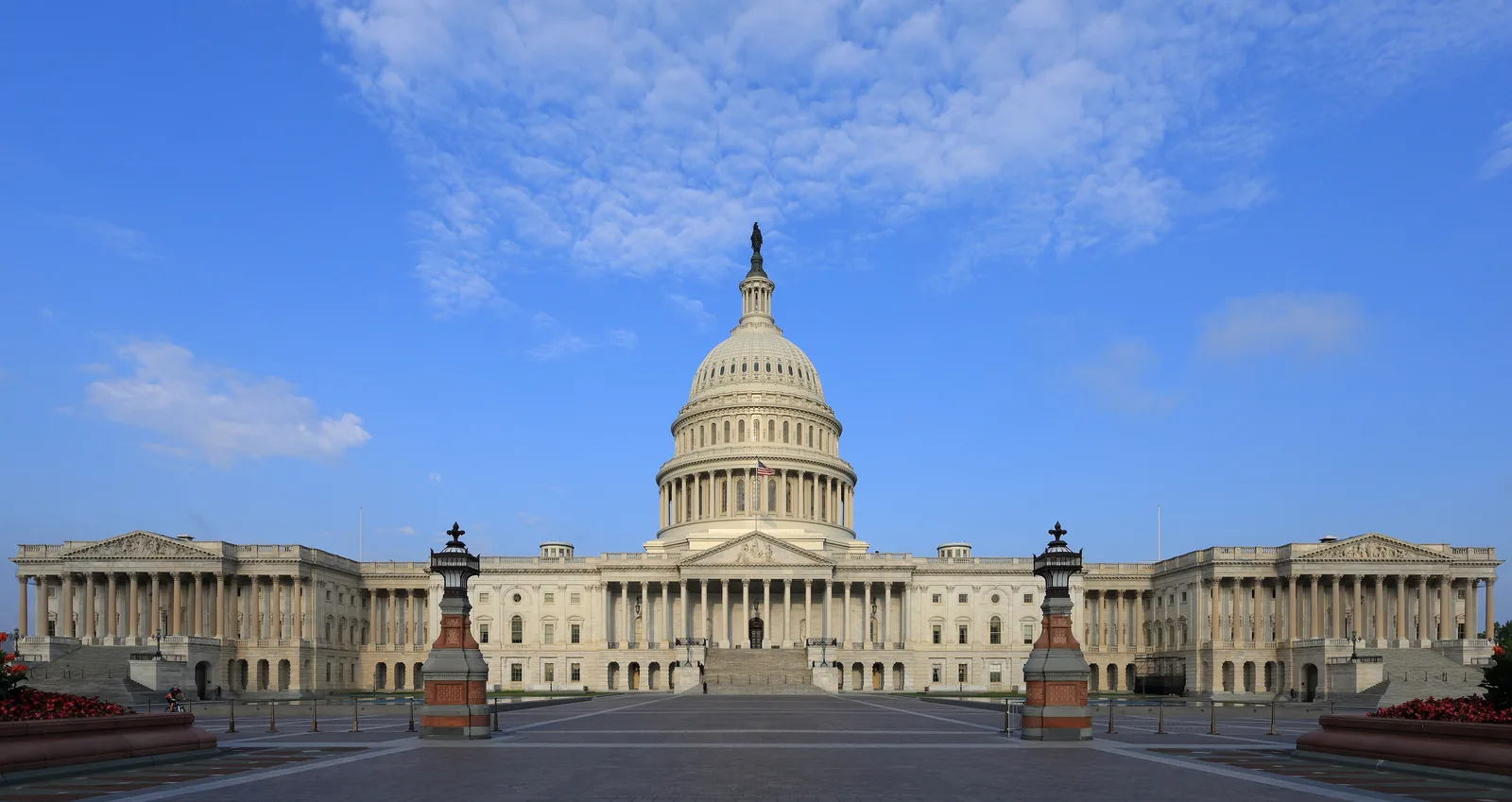 File photo
What happened
Key facts
- Early voting has increased in states described as pivotal to deciding control of the U.S. Senate (per stcatharinesstandard.ca, ukiahdailyjournal.com, greeleytribune.com).
- Texas early voting is up 74% compared with 2022 (per stcatharinesstandard.ca).
- Kansas early voting has more than doubled compared with 2022 (per stcatharinesstandard.ca).
- Early in-person and mail voting in Maine, North Carolina and Ohio each increased by more than 30% compared with the same point in 2022 (per stcatharinesstandard.ca).
- More than 13 million mail-in and early in-person votes have been cast nationally, compared with 9 million at the same point in 2022 (per stcatharinesstandard.ca).
- Total spending on the Ohio Senate race is projected to reach close to $500 million, according to AdImpact (per stcatharinesstandard.ca).
- The article says Republicans control both chambers of Congress and the White House, unlike in 2022, when Democrats were in charge (per stcatharinesstandard.ca).
The brief
Early voting has risen in five states seen as central to the contest for control of the U.S. Senate, with the largest reported percentage increase in Texas. An Associated Press analysis, carried by the St. Catharines Standard, found that Texas early voting is up 74% compared with the same point in 2022.
Kansas has recorded more than twice as many early votes as at the comparable point in that cycle. The increases also extend to Maine, North Carolina and Ohio. Early in-person and mail voting in each of those states is more than 30% higher than at the same point in 2022, according to the AP analysis.
The figures cover different voting methods and do not provide a single combined percentage increase across the five states. Nationally, more than 13 million people have cast mail-in or early in-person ballots. The comparable total at this stage in 2022 was 9 million, the AP account says.
That comparison describes turnout so far, rather than the final number of votes in either election. Ohio offers an additional state-level measure: more than 55,000 people had voted, compared with 27,000 at the same point in 2022. The article describes the current total as more than double the earlier figure.
It also reports that former President Donald Trump held a rally in Ohio on Monday; the account does not connect the rally to the voting increase. The political setting differs from the previous midterm cycle. Republicans control both chambers of Congress and the White House, while Democrats held those positions in 2022, according to the article.
It presents that contrast as part of the changed electoral environment, without attributing the turnout increases to a particular party, candidate or event. Campaign spending is another notable feature of the Ohio Senate contest. AdImpact estimates that total spending on the race will approach $500 million.
The article gives no breakdown of that projected spending by candidate or organization, and does not specify how the spending relates to early voting. The reported numbers describe ballots cast at comparable points in the two cycles; they do not establish how voters will choose candidates or determine the eventual Senate outcome.
The central reported development is a broad increase in early voting across five states identified as important to Senate control, alongside a national rise in early ballots cast.
Why it matters
- Voters in Texas, Kansas, Maine, North Carolina and Ohio are casting ballots earlier at higher rates than at the comparable point in 2022, making these states a focus in a contest described as important to Senate control.
- The reported national total is more than 13 million early in-person and mail ballots, up from 9 million at the same point in 2022.
- The Ohio Senate race has a projected spending total close to $500 million, according to AdImpact; the article does not give a candidate-by-candidate breakdown.
What to watch next
- Whether early-voting totals in Texas continue to exceed the comparable 2022 figures; the reported increase is 74%.
- Whether Kansas early voting remains more than double the comparable 2022 total.
- Whether early in-person and mail voting in Maine, North Carolina and Ohio continues to exceed the comparable 2022 levels by more than 30%.
- Whether Ohio’s reported early-voting total grows beyond the more than 55,000 ballots already cast.
How it's being covered
Coverage analysisShow details7 source articles · 7 unique outlets · 4 distinct reportsOutlet political mix: Center Only· 6 Center · 1 unratedWhere the outlets are based: Unknown 57% · US/Canada 29% · Other 14%
- Coverage is currently concentrated among Center-rated outlets (6 of 6 rated sources); comparatively few Left or Right-rated outlets have published on the event.
One source is from a wire service (AP, Reuters, AFP or Bloomberg), whose reporting other outlets often republish.
How outlets' accounts compare
Timeline
Developments from this story's sources, dated background we compiled and fact-checked, and our earlier coverage. Each row says which.- The Seventeenth Amendment was ratified, providing for the direct popular election of U.S. senators.Background · compiled and fact-checked by Updat3
- President Bill Clinton signed the National Voter Registration Act into law.Background · compiled and fact-checked by Updat3
- President George W. Bush signed the Help America Vote Act into law, establishing election-administration requirements and creating the Election Assistance Commission.Background · compiled and fact-checked by Updat3
- In 2020, states broadened or adjusted mail and early-voting access, and more than 100 million Americans voted before Election Day, according to the U.S. Election Assistance Commission.Background · from our historical context
- In 2021, for example, Georgia enacted Senate Bill 202, changing deadlines and procedures for absentee voting and other election processes.Background · from our historical context
- Republicans won a narrow House majority in the midterm elections, while Democrats retained the Senate.Background · compiled and fact-checked by Updat3
- Donald Trump won the presidency, and Republicans gained control of the Senate.Background · compiled and fact-checked by Updat3
How we got here
The immediate precedent was the 2022 midterm election, when Democrats retained a narrow Senate majority after Raphael Warnock won Georgia’s December 6 runoff.
That year, voters in Texas, Kansas, Maine, North Carolina and Ohio also cast ballots in Senate contests: Republicans Ted Cruz, Jerry Moran, Lisa Murkowski and Ted Budd won their races, while Democrat Maggie Hassan won in New Hampshire—not Maine; Maine’s incumbent Susan Collins was not on the ballot. Ohio’s Senate seat went to Republican J.D. Vance.
Original sources
7 articles from 7 outletsEvery story links to the reporting it was built from. How we choose sources
Spotted a factual error, a broken link or a misleading summary? Tell us.