
El-Sayed and Rogers challenge each other’s loyalties in Michigan Senate debate
Abdul El-Sayed and Mike Rogers challenged each other’s loyalties in their second and final debate for Michigan’s U.S. Senate seat. The debate followed an earlier Oct. 8 exchange marked by personal insults, and Barack Obama and Trump were scheduled to rally in Detroit over the weekend.
AI-assisted synthesis · Based on 6 outlets' reporting · Article text read from 2 of 6 outletsHow it's made
View timeline · 11 entries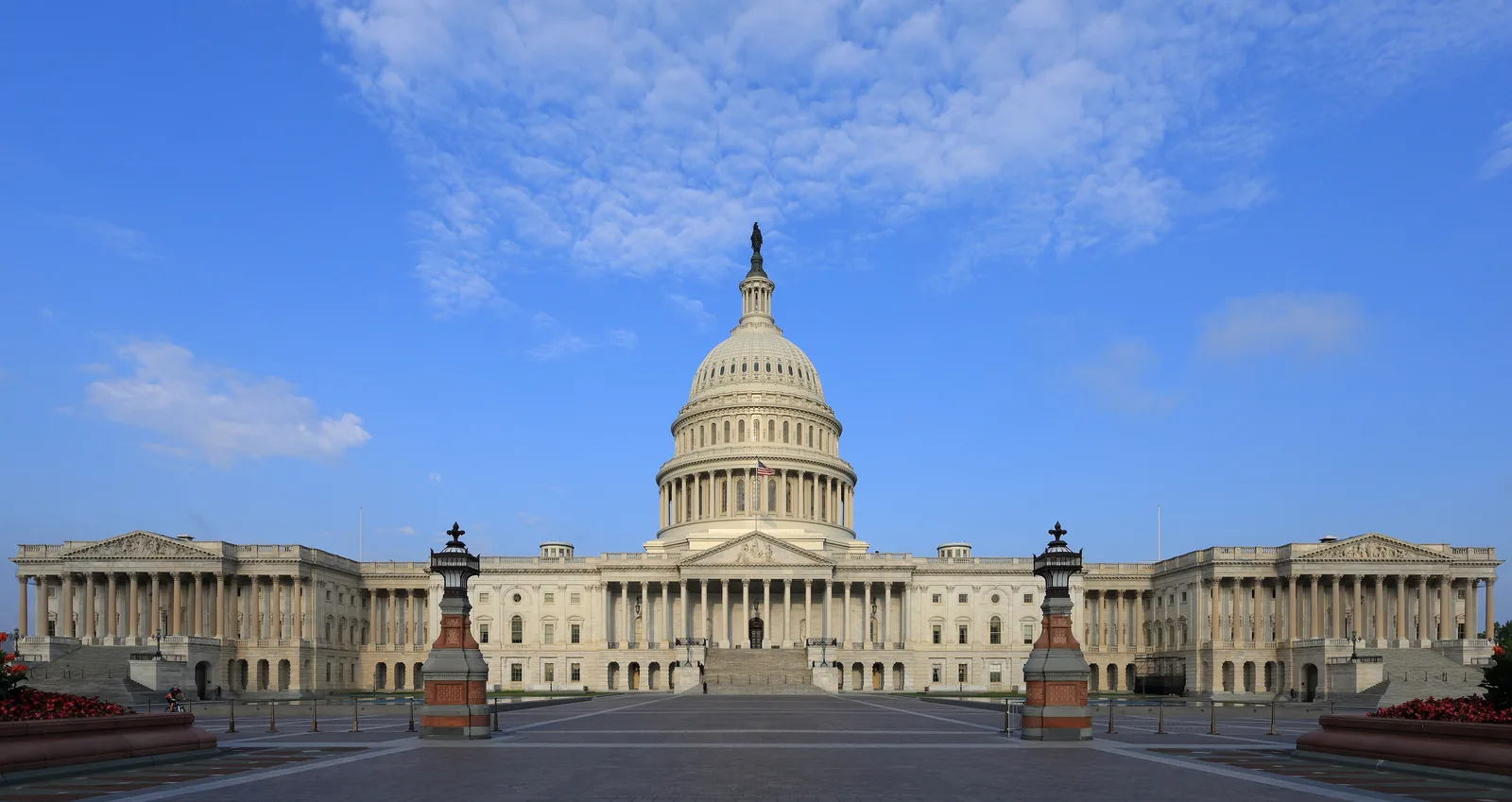 File photo
What happened
Key facts
- An earlier debate on Oct. 8 included personal insults and attacks, and the candidates continued arguing during a commercial break.
- Barack Obama was scheduled to rally in Detroit on Saturday, followed by Trump on Sunday.
The brief
Abdul El-Sayed and Mike Rogers challenged each other’s loyalties in their second and final debate in Michigan’s U.S. Senate race, held Wednesday night in the Detroit area. The exchange came as the contest entered its closing stretch and was described as one of the country’s most competitive Senate races. The debate was hosted by WXYZ.
Editorial director Chuck Stokes and anchors Carolyn Clifford and Alicia Smit moderated the 7 p.m. event, Bridge Michigan reported. The candidates’ second face-off followed an earlier debate on Oct. 8, which WSLS described as involving personal insults and attacks. The candidates continued arguing during a commercial break at that event.
The debate covered high prices, data centers, healthcare and President Donald Trump’s handling of the economy, according to Bridge Michigan. A headline from Fox40 characterized the encounter as a contest over the candidates’ loyalties, while CNN described the race as increasingly personal. The headline from The New York Times called the first debate testy.
These descriptions highlight the contest’s personal tone; Bridge Michigan also identified policy and economic issues as central topics. A Facebook headline said the candidates traded attacks on the economy, the Iran war and each other’s character.
WSLS reported that Rogers criticized El-Sayed’s policies and that El-Sayed replied with a remark about “MAGA bingo.” WSLS also quoted El-Sayed saying, “I’m proud to be an American.” The reported exchange places the candidates’ arguments over policy and political identity alongside their attacks on one another.
The stakes extend beyond the candidates’ contest: Bridge Michigan said the race could help determine control of the U.S. Senate during the final two years of Trump’s term. The report did not state a projected vote count, so the degree to which the debate could affect the election outcome is not established.
The debate also took place ahead of planned campaign appearances in Detroit. WSLS said Barack Obama was scheduled to rally there on Saturday, followed by Trump on Sunday. Their scheduled events put national political figures on the city’s campaign calendar as the Senate race approached its closing stretch.
Why it matters
- Michigan voters choosing between El-Sayed and Rogers face a contest described as highly competitive, with potential consequences for control of the U.S. Senate during the final two years of Trump’s term.
- The candidates’ discussion included high prices, data centers, healthcare and Trump’s handling of the economy, issues Bridge Michigan identified as central to the debate.
- The personal dimension was evident in the earlier Oct. 8 debate’s insults and continued argument during a commercial break, as well as the loyalty-focused framing of the final debate.
What to watch next
- Whether Barack Obama holds the scheduled Detroit rally on Saturday.
- Whether Trump holds the scheduled Detroit rally on Sunday.
- Whether the candidates continue their personal exchanges as the Michigan Senate race enters its closing stretch.
How it's being covered
Coverage analysisShow details7 source articles · 6 unique outletsOutlet political mix: Mixed· 2 Left · 2 Center · 1 Right · 1 unratedWhere the outlets are based: US/Canada 83% · Unknown 17%
- Coverage is currently concentrated among outlets based in US/Canada (5 of 6 geographically-identified sources).
How outlets' accounts compare
1 framing difference · 2 uncorroborated claims · 1 information gap- Fox40 framed the final debate as a challenge to the candidates’ loyalties; CNN emphasized the increasingly personal character of the race, while Bridge Michigan highlighted policy issues including prices, data centers, healthcare and Trump’s economic handling.
- WSLS quoted El-Sayed saying, “Those playing MAGA bingo at home, you just heard like three of the buzzwords,” after Rogers criticized his policies.
- WSLS quoted El-Sayed saying, “I’m proud to be an American.”
- The sources do not provide a projected vote count or establish how the debate could change the election outcome.
Timeline
Developments from this story's sources, dated background we compiled and fact-checked, and our earlier coverage. Each row says which.- The U.S. Constitution was signed, establishing Congress with a Senate whose members were selected by state legislatures.Background · compiled and fact-checked by Updat3
- Before the amendment, Michigan’s legislature chose its senators after the state entered the Union in 1837.Background · from our historical context
- That system rests on the Seventeenth Amendment, ratified on April 8, 1913, which established direct election of senators by voters rather than selection by state legislatures.Background · from our historical context
- Abdul El-Sayed was born in Michigan to Egyptian immigrant parents.Background · compiled and fact-checked by Updat3
- Mike Rogers began representing Michigan’s 8th Congressional District in the U.S. House.Background · compiled and fact-checked by Updat3
- Rogers became chair of the House Permanent Select Committee on Intelligence.Background · compiled and fact-checked by Updat3
- Abdul El-Sayed lost the Democratic primary for Michigan governor to Gretchen Whitmer.Background · compiled and fact-checked by Updat3
- Peters won reelection in 2020 against Republican John James.Background · from our historical context
- Mike Rogers lost Michigan's U.S. Senate election to Democrat Elissa Slotkin.Background · compiled and fact-checked by Updat3
- Abdul El-Sayed entered the Democratic primary for Michigan’s open U.S. Senate seat.Background · compiled and fact-checked by Updat3
- The immediate backdrop was an Oct. 8, 2026, debate between Abdul El-Sayed and Mike Rogers, where personal insults and attacks continued during a commercial break.Background · from our historical context
How we got here
The immediate backdrop was an Oct. 8, 2026, debate between Abdul El-Sayed and Mike Rogers, where personal insults and attacks continued during a commercial break. El-Sayed’s statewide electoral profile dates to Michigan’s 2018 Democratic gubernatorial primary, when he ran against Gretchen Whitmer and finished third.
Rogers, a Republican, represented Michigan’s 8th Congressional District in the U.S. House from 2001 to 2015 and chaired the House Permanent Select Committee on Intelligence from 2011 to 2015. Their paths into the 2026 Senate contest therefore came from different political arenas: El-Sayed’s state-level campaign and public-health work, and Rogers’s years in Congress.
Original sources
2 of 7 articles · Unknown · Show allEvery story links to the reporting it was built from. How we choose sources
Spotted a factual error, a broken link or a misleading summary? Tell us.