
Elon Musk says Trump administration limits on Starlink and Starshield disrupted Ukrainian missions
Elon Musk said the Trump administration imposed new limits on SpaceX satellite systems that blocked Starlink and Starshield from connecting to objects moving over 100 miles per hour, and Ukrainian advisers say that disrupted several missions. The restriction triggered bipartisan backlash on Wednesday, and Musk said the U.S., not SpaceX, made the call.
AI-assisted synthesis · Based on 9 outlets' reporting · Full text read from 6 of 9 outletsHow it's made
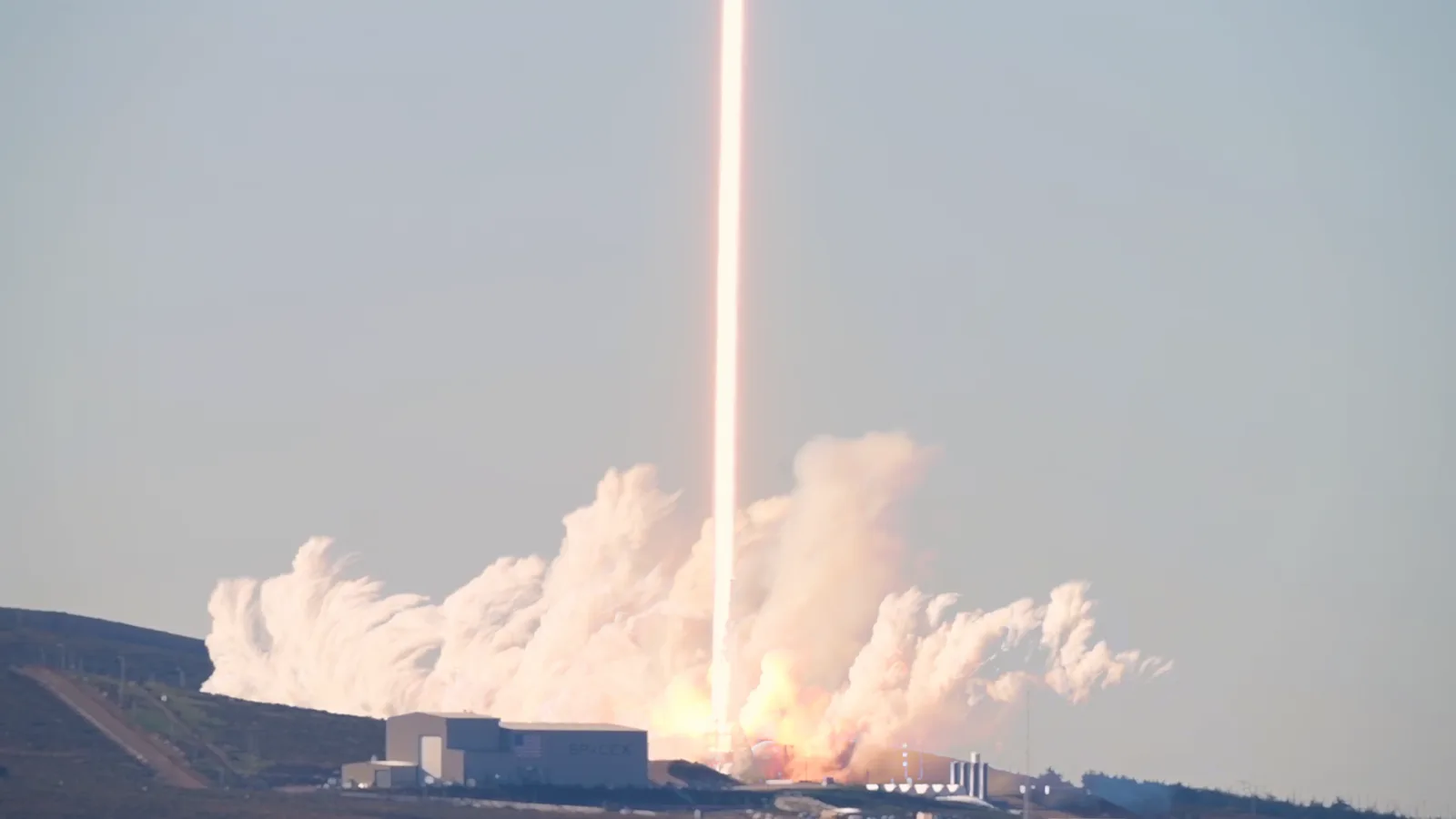 File photo
What happened
Key facts
- Elon Musk said the U.S. government, not SpaceX, decided limits on SpaceX-developed satellite systems.
- The limits affected both Starlink (civilian use) and Starshield (government and military use).
- Serhii Beskrestnov, described as Ukrainian President Volodymyr Zelenskyy’s defense technology adviser, said the speed limit for Starshield services “resulted in the disruption of several missions.”
- The reporting attributes the discovery and operational impact to Ukrainian officials and an anonymous source; Musk publicly blamed the Trump administration after bipartisan backlash on Wednesday.
- Elon Musk said he did not instruct SpaceX to suddenly restrict Starlink and Starshield services used by Ukrainian forces.
- Ukrainian officials and frontline commanders reported terminals stopped working overnight Tuesday into Wednesday when drones flew faster than 100 mph.
- On Tuesday night, Ukraine discovered neither system could connect to data from objects moving more than 100 miles per hour, according to a source familiar with the actions speaking to MS NOW on condition of anonymity.
- MS NOW reported there was bipartisan concern that the restrictions hampered Ukraine’s ability to use military drones and defend against Russian attacks.
The brief
Elon Musk publicly blamed the U.S. government for new limits on SpaceX’s Starlink and Starshield services that Ukrainian officials say briefly cut off connections to fast-moving drones and other objects.
Musk wrote that Starshield systems are owned and controlled by the U.S. government and that any speed or usage limits are set by the U.S. military and President Donald Trump; multiple outlets quoted his posts and statements.
Ukrainian presidential adviser Serhii Beskrestnov and frontline commanders reported that terminals stopped working when drones exceeded roughly 100 miles per hour, and Beskrestnov said the limit "resulted in the disruption of several missions." Several reports say the outage began overnight Tuesday into Wednesday and drew urgent criticism from Kyiv.
Ukrainian President Volodymyr Zelenskyy told Piers Morgan the restriction was "a big mistake" and warned it would cause human losses; former and current Ukrainian ministers subsequently said connectivity at speeds up to about 160 km/h was being restored.
Reporting diverges on precise speed thresholds and timing: some sources cite a 100 mph cutoff, others describe restoration at 160 km/h, and an anonymous Ukrainian source to MS NOW said units also saw problems even below the stated limit.
Musk and U.S.-facing outlets framed the policy as a government decision, while several Ukrainian sources and left-leaning outlets initially blamed SpaceX for the throttling; that contrast pushed Musk to publicly attribute responsibility to the Trump administration.
Accounts in this pack name the trigger (new U.S. limits on Starlink/Starshield speed/usage) and the immediate effect (loss of connectivity for fast-moving drones and canceled or disrupted missions) but do not include an official U.S. government statement explaining the change.
The incident prompted bipartisan concern in Washington and urgent appeals from Kyiv for restored service; Ukrainian officials described operational harm to drone and defence missions and reported short connection drops at modest speeds during some flights.
The reporting leaves unresolved technical and policy questions: which precise policy instrument or military order set the limit, whether the restriction was deliberate or a technical error, and whether formal notice was given to Ukrainian forces before the disruption.
Why it matters
- Ukrainian frontline units bore the immediate cost: commanders reported cancelled missions and connection drops that interrupted drone operations, reducing Kyiv’s ability to conduct specific battlefield sorties during the outage.
- The mechanism of harm was a speed-based connectivity cutoff on Starlink/Starshield terminals that prevented data links for drones flying above about 100 mph, directly impairing the operation of those platforms, according to Ukrainian advisers and commanders.
- Elon Musk and SpaceX face reputational and contractual risk: Musk’s public attribution of control to the U.S. government shifts scrutiny toward the administration and the U.S. military as the actors who set limits on a system used in combat.
- U.S. political actors have documented incentives to control dual-use satellite capabilities: outlets report that the U.S. military and President Trump decide Starshield limits, linking presidential and military authority over battlefield communications to policy and electoral politics.
What to watch next
- Whether the U.S. Department of Defense or the White House issues a public explanation of which policy or order set the Starshield/Starlink speed limits and by what authority.
- Whether Ukrainian officials fully restore Starlink/Starshield connectivity above 160 km/h and by when operational reports confirm no further connection drops during drone flights.
- Whether the U.S. Congress holds hearings or bipartisan inquiries into restrictions on commercial and government satellite services used by Ukraine, including any subpoena or witness requests.
- Whether Mykhailo Fedorov or Serhii Beskrestnov publish technical logs or formal notifications documenting the timing and scope of the outages.
How it's being covered
Coverage analysisShow details9 source articles · 9 unique outletsCoverage mix: Mixed· 2 Left · 2 Center · 2 Right· Wide spread of viewpointsWhere the outlets are based: US/Canada 56% · Asia 22% · Other 22%
How outlets' accounts compare
3 framing differences · 5 uncorroborated claims · 3 information gaps- Left-leaning outlets emphasize U.S. government responsibility and Ukrainian operational harm; pro-market or conservative outlets stress Musk’s statement that SpaceX is not the decision-maker and highlight presidential/military control; rt-english.com frames the change as Musk blaming President Trump.
- Some outlets and Musk assert the U.S. government set the limit and therefore caused the disruption; Ukrainian officials suggest the restriction interrupted missions but also leave open a technical error—sources disagree on whether policy or mistake was the proximate cause.
- Whether the restriction was a deliberate policy decision by the U.S. government or a technical mistake; some Ukrainian officials asked if it was a 'huge technical problem' while Musk framed it as a deliberate limit set by the U.S.
- ms.now and rt-english.com and thenews.com.pk report a roughly 100 miles per hour cutoff; CNA and New York Post and Washington Examiner cite restoration at 'up to 160 km/h'—the accounts use different speed figures and some outlets present restoration figures rather than the original cutoff.
- Elon Musk and S2–rt-english.com attribute responsibility to the U.S. government and President Donald Trump; initial Ukrainian reporting and frontline accounts in ms.now and thenews.com.pk initially described SpaceX-imposed restrictions before Musk clarified government control.
- Serhii Beskrestnov: the speed limit 'resulted in the disruption of several missions.'
- Volodymyr Zelenskyy: called the restriction 'a big mistake' and warned it would cause 'a lot of human losses.'
- Elon Musk: 'Starshield systems are owned and controlled by the US government. Any limits on speed or usage are decided by the US military and ultimately POTUS.'
- No report Updat3 read identifies the specific U.S. policy instrument, military order, or legal authority that instituted the speed limit.
- No source supplies detailed technical diagnostics or an independent engineering analysis showing why connectivity failed at the reported speeds.
- No source provides a U.S. government statement or document confirming the timeline, the actor who issued the restriction, or whether Ukraine received prior notice.
The rated outlets covering this story span both Left and Right, with the outermost outlets far apart politically. It highlights divergent source perspectives, where framing may differ.
How we got here
Immediate backdrop: in February 2022, after Russia's full-scale invasion began on February 24, 2022, SpaceX activated Starlink terminals in Ukraine and Ukraine's military and civilian authorities began using commercial satellite internet for battlefield communications and civilian connectivity (February 2022).
In response to growing demand from governments, SpaceX announced and marketed a government-focused variant of its satellite services for defense customers called Starshield in 2022 (SpaceX corporate announcements, 2022).
Original sources
9 articles from 9 outletsEvery story links to the reporting it was built from. How we choose sources
Spotted a factual error, a broken link or a misleading summary? Tell us.