
EU plans Russia sanctions as reports cite Le Pen election concerns
The EU is preparing another sanctions package against Russia, with reports describing it as a possible 22nd round. The Telegraph reported that Ukrainian and European officials are considering plans for a Marine Le Pen election victory, which they fear could weaken support for Ukraine and future sanctions.
AI-assisted synthesis · Based on 5 outlets' reporting · Article text read from 3 of 5 outletsHow it's made
View timeline · 9 entries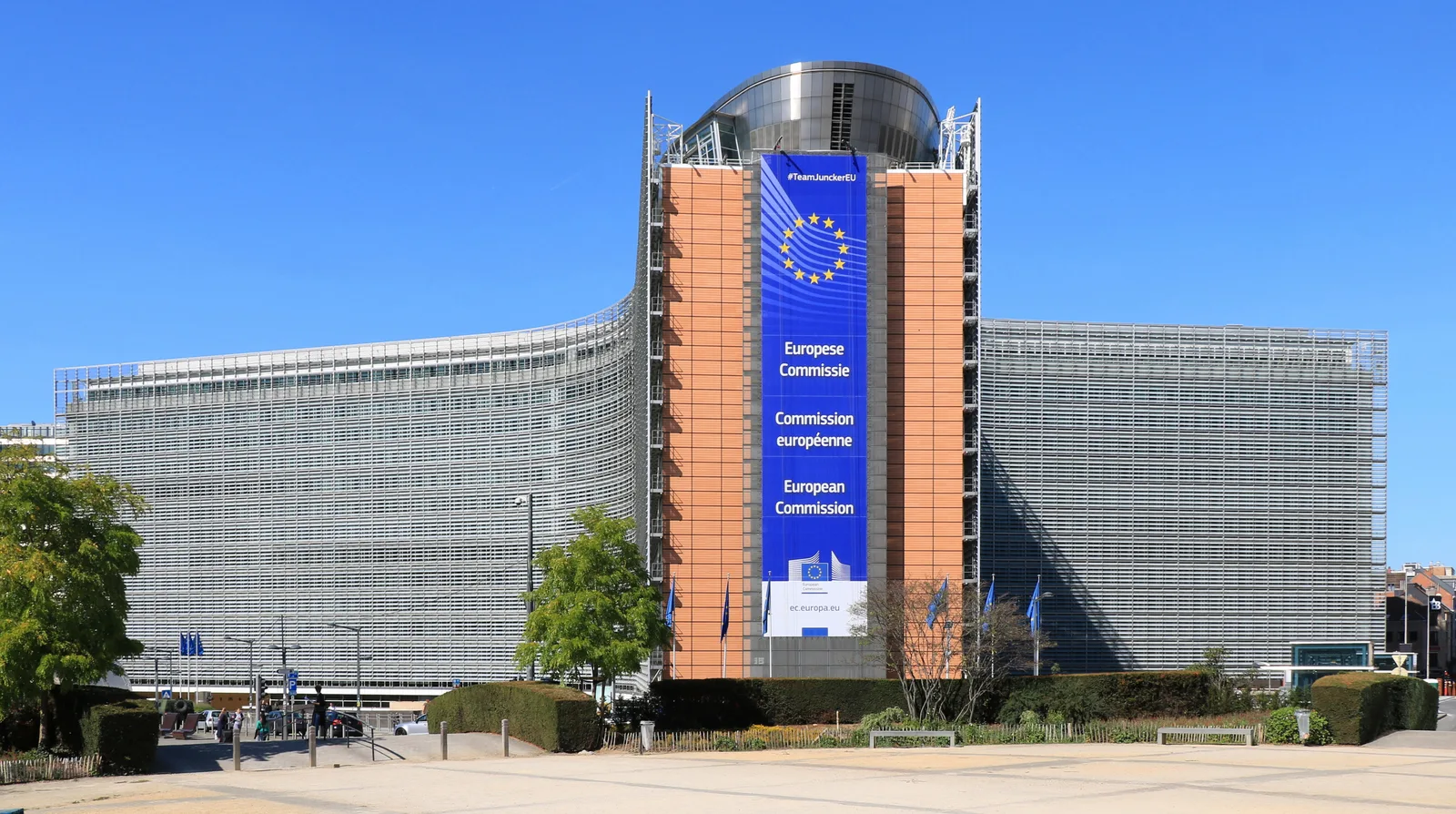 File photo
What happened
Key facts
- The EU is preparing another sanctions package against Russia ahead of France’s presidential election (per rt-english.com, liga.net, bignewsnetwork.com).
- The EU has imposed 21 rounds of sanctions against Russia since the conflict in Ukraine escalated in 2022 (per rt-english.com).
- The EU is preparing a 22nd sanctions package, although some count the addition of roughly 1,600 Russian individuals and organizations to its blacklist as the 22nd package (per rt-english.com).
- Ukrainian and European officials are preparing possible courses of action in case Marine Le Pen wins France’s presidential election (per liga.net, rt-english.com).
- The Telegraph reported that officials fear a Le Pen victory could weaken support for Ukraine and future EU sanctions against Russia (per rt-english.com, liga.net, kabc.com).
- A source quoted by The Telegraph said February could be the last opportunity to impose new sanctions before France’s presidential election in April (per rt-english.com, liga.net).
- The latest round of sanctions was approved on October 12 (per liga.net).
The brief
The EU is preparing another sanctions package against Russia as Ukrainian and European officials consider how a possible Marine Le Pen victory in France could affect continued support for Ukraine and future sanctions.
The Telegraph reported that officials are developing possible courses of action before the French presidential election; the reports describe the concern as a risk to the sanctions policy, not a decision by France to block a package. The Telegraph’s account, carried by RT English, says the EU is preparing a 22nd package.
It also notes a counting ambiguity: some observers treat the recent addition of roughly 1,600 Russian individuals and organizations to the EU blacklist as the 22nd package. The EU has imposed 21 rounds since the conflict in Ukraine escalated in 2022, while LIGA.net separately reports that the latest round was approved on October 12.
The concern reported by The Telegraph centers on Le Pen’s stated positions. According to that report, she has criticized Brussels’ approach to Ukraine, compared Ukraine’s proposed EU accession to economic suicide and called for suspending aid to Ukraine. LIGA.net describes officials’ concern as the possibility that a Le Pen victory could weaken support for Ukraine.
These are reported views and fears; the sources do not establish how a future French government would act on sanctions or aid. The timing matters because one person The Telegraph interviewed said February could be the “last chance to impose sanctions” before the French election in April. RT English describes February as a possible “last opportunity” for a new package.
Those are attributed assessments, not an announced EU deadline. The election is the reason officials are reported to be preparing contingency plans now. The reported preparations follow a difficult path for earlier sanctions. RT English says the EU adopted its 21st package in July, after negotiations encountered firm resistance from several member states.
That account adds context to the current effort: securing agreement among EU governments has already presented obstacles, apart from the possible political consequences of France’s election. A separate report carried by KABC.com concerns U.S. measures, not the EU package.
It says President Donald Trump suspended a new round of U.S. sanctions against Russia two days before they were due to take effect on October 18, 2026, and that he signed an order on October 16 waiving sanctions and tariffs established under legislation he signed on September 18.
The report says Trump justified the decision as being in the national interest of the United States. Those U.S. measures and their suspension are distinct from the EU’s preparations and do not establish a change in EU policy.
The accounts therefore describe two separate developments: EU officials preparing another sanctions round while considering the French election’s possible effects, and a reported U.S. suspension of measures scheduled to take effect.
The immediate EU question is whether member states can agree on another package before the election; the reports do not identify a final package text or a completed EU decision.
Why it matters
- Russian individuals and organizations could face additional EU blacklist listings if member states approve another package; the reported count is roughly 1,600 additions in the measure some observers consider the 22nd round.
- Ukrainian officials’ reported concern is that a Le Pen victory could weaken support for Ukraine, including aid and backing for future EU sanctions.
- EU governments face an agreement mechanism that has already encountered resistance: negotiations over the 21st package, adopted in July, met firm opposition from several member states.
- The U.S. development is separate but relevant to the sanctions picture: President Donald Trump suspended measures due to take effect on October 18, 2026, under legislation aimed at Russian financial institutions, energy-related businesses and countries buying Russian oil and gas.
What to watch next
- Whether EU member states agree on the next sanctions package, which the reports describe as being prepared.
- Whether officials’ reported contingency planning for a Marine Le Pen election victory changes the package’s timing or contents.
- Whether the reported February opportunity for sanctions, as described by a source quoted by The Telegraph, is followed by an EU decision before the French election in April.
- Whether the U.S. suspension reported by KABC.com is followed by implementation of the measures scheduled for October 18, 2026.
How it's being covered
Coverage analysisShow details5 source articles · 5 unique outletsOutlet political mix: Too few rated· 2 Center · 3 unratedWhere the outlets are based: Unknown 40% · US/Canada 20% · Other 40%
How outlets' accounts compare
3 framing differences · 3 uncorroborated claims · 3 information gaps- RT English emphasizes the risk that the next EU sanctions package could be the last before a possible Le Pen victory; LIGA.net emphasizes Ukrainian and European officials’ preparations and their concern that such a victory could weaken support for Ukraine.
- RT English describes a 22nd package as in preparation while noting that some observers count the blacklist additions as that round; LIGA.net calls the October 12 measures the latest round without giving the same package count.
- KABC.com reports a U.S. suspension of sanctions and tariffs, a separate development from the EU sanctions preparations covered by RT English and LIGA.net.
- The concern that a Le Pen victory could weaken Ukraine support is attributed to unnamed sources cited by The Telegraph, rather than presented as an established outcome.
- A source quoted by The Telegraph said February could be the “last chance to impose sanctions” before the French election.
- The Telegraph’s account says Le Pen compared Ukraine’s proposed EU accession to economic suicide and called for suspending aid to Ukraine.
- The sources provide no civilian-impact figures related to the sanctions or the conflict in Ukraine.
- The sources do not identify the specific EU member states that resisted the 21st package.
- The sources do not resolve whether the roughly 1,600 blacklist additions constitute the 22nd EU sanctions package or whether another package remains to be adopted.
Timeline
Developments from this story's sources, dated background we compiled and fact-checked, and our earlier coverage. Each row says which.- In Ukraine, protests known as Euromaidan began in 2013 after President Viktor Yanukovych suspended preparations for an association agreement with the EU.Background · from our historical context
- The United States and European Union imposed sanctions on Russian individuals and businesses after Russia took control of Crimea.Background · compiled and fact-checked by Updat3
- The National Front changed its name to the National Rally.Background · compiled and fact-checked by Updat3
- The European Union’s sanctions policy took shape after Russia’s full-scale invasion of Ukraine on February 24, 2022.Background · from our historical context
- The United States, European Commission, France, Germany, Italy, the United Kingdom and Canada announced measures targeting Russian banks and access to SWIFT.Background · compiled and fact-checked by Updat3
- Marine Le Pen lost the French presidential election runoff to Emmanuel Macron.Background · compiled and fact-checked by Updat3
- The National Rally won the largest share of votes in France’s European Parliament election, and Emmanuel Macron called a snap parliamentary election.Background · compiled and fact-checked by Updat3
- A French court barred Marine Le Pen from holding public office for five years.Background · compiled and fact-checked by Updat3
- The latest round of sanctions was approved on October 12.
How we got here
The European Union’s sanctions policy took shape after Russia’s full-scale invasion of Ukraine on February 24, 2022. The EU adopted successive measures targeting Russian officials, banks, trade and energy, alongside measures against entities supporting Russia’s war effort.
By the time of the latest round approved on October 12, the bloc had imposed 21 rounds since the conflict escalated in 2022. The European Council, made up of national leaders, sets the bloc’s broad political direction; the Council of the European Union formally adopts sanctions.
Original sources
5 articles from 5 outletsEvery story links to the reporting it was built from. How we choose sources
Spotted a factual error, a broken link or a misleading summary? Tell us.
If you or someone you know is struggling or in crisis, help is available. In the US, call or text 988 (the 988 Suicide & Crisis Lifeline) or chat at 988lifeline.org. Outside the US, local crisis lines are listed at findahelpline.com.