
European leaders were excluded from a Putin-Stubb-Store call, Ushakov says
A Kremlin aide said European leaders were excluded from a call, leaving them outside direct discussions amid ongoing diplomacy over Russia’s war in Ukraine.
AI-assisted synthesis · Based on 4 independent reports from 5 outlets · Article text read from 1 of 4 reportsHow it's made
View timeline · 9 entries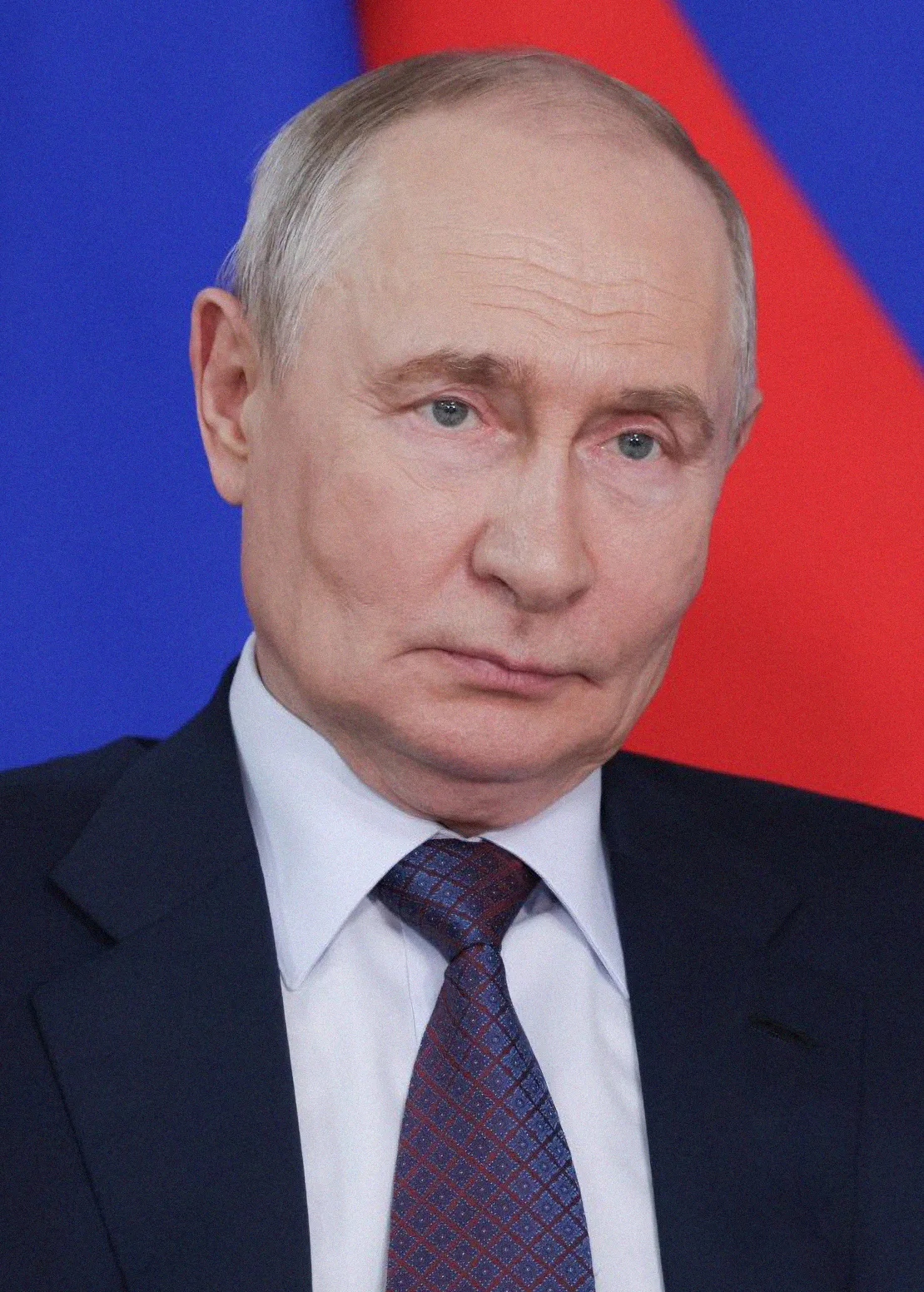 File photo
What happened
Key facts
- Interfax quoted Yuri Ushakov saying the possible participation of European countries was not discussed during the phone call (per newscord.org).
- The Traders Union headline said Europe is struggling to shape U.S.-Russia talks about Ukraine amid divisions over outreach to Vladimir Putin (per tradersunion.com, newscord.org).
- Volodymyr Zelenskyy thanked a British prime minister for support after a phone call (per newscord.org).
The brief
A phone call involving Russian President Vladimir Putin and the leaders of Finland and Norway did not address whether European countries could join potential negotiations, according to Kremlin aide Yuri Ushakov as quoted by Interfax. The 90-minute call brought together Putin, Finnish President Alexander Stubb and Norwegian Prime Minister Jonas Gahr Store.
The account does not say what other matters the leaders discussed. The question of Europe’s place in talks is central to competing public descriptions of the diplomatic effort. Ukrainian President Volodymyr Zelenskyy said trilateral negotiations involving Ukraine, Russia and the United States are planned for November 6 to November 10 in the United Arab Emirates.
The New Voice of Ukraine’s headline says the United States and Ukraine favor Britain, France and Germany for Russia peace talks, while Traders Union’s headline describes Europe as struggling to shape U.S.-Russia discussions about Ukraine amid divisions over outreach to Putin.
Zelenskyy warned that Russia could use renewed negotiations to pursue concessions concerning NATO’s military presence in Europe.
He expressed concern that negotiations could redistribute influence, comparing the possibility to “Yalta 2, 3, 4.” His remarks state a Ukrainian concern about the possible terms and consequences of talks; they do not establish that Russia has made such a demand.
A separate headline from UA.NEWS attributes to Sibiga the claim that Russia is trying to drive a wedge between Europe and the United States and divide the EU internally. That is a claim attributed by the outlet’s headline, not an independently established account of Russia’s aims.
The headline does not provide further detail about Sibiga’s evidence or the circumstances of the statement. The NewsCord account also describes a British aid announcement. It says Zelenskyy thanked British Prime Minister Andy Burnham for an additional package worth 10 billion pounds after a phone call.
Downing Street said the package includes 500 million pounds in additional military support from the Ministry of Defence, intended to address urgent gaps in Ukraine’s air defences this winter. The discussions over who participates in negotiations therefore sit alongside a stated Ukrainian concern about NATO’s role and an announced British contribution to Ukraine’s air defences.
Zelenskyy’s proposed schedule places the trilateral talks in the United Arab Emirates from November 6 to November 10; the account does not specify which European governments, if any, will take part in those talks.
Why it matters
- If European governments are absent from direct discussions between Moscow and Western leaders, they may have less influence over any proposals affecting European security or Ukraine’s future, even though Europe would bear much of the cost of implementing them. The reported call does not establish that negotiations or policy changed, but it highlights a risk that decisions about the war could be shaped without European governments at the table.
What to watch next
- In the next few days, watch for Yuri Ushakov or the Kremlin to clarify whether Putin’s call with Alexander Stubb and Jonas Gahr Store will be followed by further Russia–Nordic contacts.
- Watch whether the Finnish and Norwegian governments publish readouts or say they raised European participation in future discussions on Ukraine.
- Over the coming weeks, track whether EU leaders or the European Commission seek a formal role in U.S.–Russia diplomacy or coordinate a common position on talks.
- Watch whether Volodymyr Zelenskyy asks European partners to press for Ukraine and Europe to be included in any follow-up negotiations.
How it's being covered
Coverage analysisShow details5 source articles · 5 unique outlets · 4 distinct reportsOutlet political mix: Center Only· 3 Center · 2 unratedWhere the outlets are based: Europe 60% · US/Canada 20% · Other 20%
- Coverage is currently concentrated among Center-rated outlets (3 of 3 rated sources); comparatively few Left or Right-rated outlets have published on the event.
How outlets' accounts compare
Timeline
Developments from this story's sources, dated background we compiled and fact-checked, and our earlier coverage. Each row says which.- Vladimir Putin signed a treaty with Crimean leaders to incorporate Crimea into Russia; Ukraine rejected the annexation.Background · compiled and fact-checked by Updat3
- Representatives of Ukraine, Russia and the OSCE signed the Minsk Protocol to address the conflict in eastern Ukraine.Background · compiled and fact-checked by Updat3
- Leaders of Ukraine, Russia, Germany and France agreed to a package of measures for implementing the Minsk agreements.Background · compiled and fact-checked by Updat3
- Since Russia’s full-scale invasion of Ukraine began in February 2022, diplomacy has involved not only Moscow and Kyiv but also the United States, European governments and international institutions.Background · from our historical context
- Russian and Ukrainian delegations held peace talks in Istanbul.Background · compiled and fact-checked by Updat3
- It joined NATO in April 2023, ending decades of military non-alignment after Russia’s invasion transformed the security debate in Northern Europe.Background · from our historical context
- Stubb, who became Finland’s president in 2024, has therefore operated in a political environment shaped by both the country’s former policy of careful relations with Moscow and its new position within the alliance.Background · from our historical context
- Vladimir Putin set conditions for a ceasefire and negotiations, including Ukraine withdrawing from four regions Russia claimed to have annexed; Ukraine rejected the terms.Background · compiled and fact-checked by Updat3
- Donald Trump and Vladimir Putin discussed a proposed pause in attacks on energy infrastructure during a phone call.Background · compiled and fact-checked by Updat3
How we got here
Since Russia’s full-scale invasion of Ukraine began in February 2022, diplomacy has involved not only Moscow and Kyiv but also the United States, European governments and international institutions.
European countries have supplied Ukraine with weapons, financial assistance and humanitarian aid, imposed sanctions on Russia, and dealt directly with the consequences of the war, including refugee arrivals and heightened security concerns.
Original sources
3 of 5 articles · Europe · Show allEvery story links to the reporting it was built from. How we choose sources
Spotted a factual error, a broken link or a misleading summary? Tell us.