
Failed arson attempt targeted Lithuanian company storing Starlink equipment; PM suspects Russia
A thwarted arson attempt at a Lithuanian firm storing Starlink equipment comes amid earlier allegations of Russian-linked arson in Britain and Poland; Lithuania’s prime minister suspects Russia was behind the attempt.
AI-assisted synthesis · Based on 6 independent reports from 7 outlets · Article text read from 1 of 6 reportsHow it's made
View timeline · 8 entries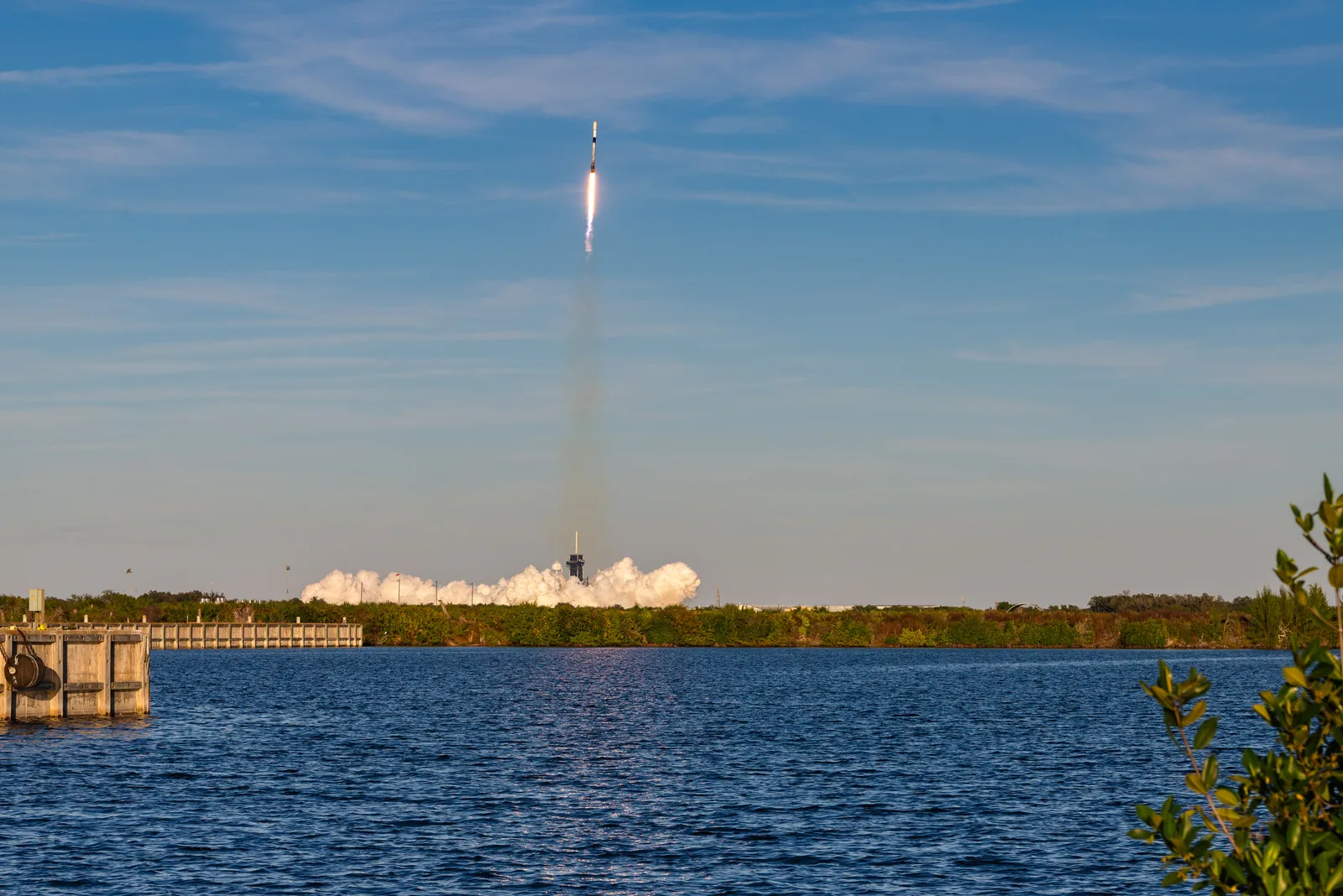 File photo
What happened
Key facts
- An attempt was made to set fire to a Lithuanian company or facility storing Starlink equipment (per lrt.lt, The Straits Times, Reuters).
- Mindaugas Sinkevičius said Russia was likely behind the attempted arson (per lrt.lt, The Straits Times, Reuters).
- Sinkevičius said the attempt took place at around 02:00 on Sunday (per lrt.lt).
- Sinkevičius said authorities had warned the company about possible attacks and increased security there (per lrt.lt).
- Sinkevičius said the attempt was prevented (per lrt.lt, mezha.net, pravda.com.ua).
The brief
Lithuanian Prime Minister Mindaugas Sinkevičius said Russia was likely behind an attempt to set fire to a company storing Starlink equipment in Lithuania. He said the attempt was prevented and that security at the company had been increased.
The account was reported by lrt.lt; headlines from The Straits Times, Reuters and Yahoo also described Lithuania’s claim of a Russia link, while reform.news, mezha.net and Українська правда reported an attempted or foiled arson attempt at a Starlink equipment site. Sinkevičius said the attempt took place at around 02:00 on Sunday.
In a Facebook post, he said authorities had warned the company about possible attacks and stepped up security. He also said Lithuanian authorities were monitoring what he called the activities of hostile states and taking measures to protect people and property. Speaking later to LRT RADIO, Sinkevičius said satellite antennas and a control unit were the intended targets.
He said authorities found incendiary liquids and containers with capacities ranging from three to 10 litres. The article does not identify who made the attempt; Sinkevičius’s statement that Russia was likely behind it is an attribution by the prime minister, rather than an independently established finding in the report.
Sinkevičius characterized the incident as part of what he called Russia’s “hybrid war,” including sabotage. He also told LRT RADIO that similar or related incidents had taken place in Poland and Bulgaria. The article provides no additional details about those incidents, and his comparison does not establish that they involved the same people or circumstances.
A minister told journalists on Sunday that the incident had been brought under control and prevented, and that an investigation was underway. The minister declined to comment further, citing the pre-trial investigation.
The article identifies Orentaitė as the person who said that authorities could not share the information because of that investigation, but does not give her first name in the passage. The account therefore describes both a claim about possible Russian responsibility and an active investigation, without presenting a finding that establishes who attempted the arson.
The reported security measures were the warning to the company and the increase in security there. The next concrete steps documented are the investigation and any further information authorities may release while it proceeds; no decision or timetable is stated.
Why it matters
- The company storing Starlink equipment faced a reported attempted fire-setting, and Sinkevičius said authorities increased security there after warning it about possible attacks.
- The report says incendiary liquids and containers holding three to 10 litres were found, while Sinkevičius said the attempt was prevented.
- Sinkevičius’s Russia attribution is a government claim; the report says a pre-trial investigation is underway and does not establish who made the attempt.
What to watch next
- Whether the investigation identifies who attempted to set the fire.
- Whether authorities release further information while the pre-trial investigation proceeds.
- Whether Lithuanian authorities continue or change the increased security at the company.
How it's being covered
Coverage analysisShow details7 source articles · 7 unique outlets · 6 distinct reportsOutlet political mix: Center Only· 5 Center · 2 unratedWhere the outlets are based: Europe 29% · Unknown 29% · Other 42%
- Coverage is currently concentrated among Center-rated outlets (5 of 5 rated sources); comparatively few Left or Right-rated outlets have published on the event.
One source is from a wire service (AP, Reuters, AFP or Bloomberg), whose reporting other outlets often republish.
How outlets' accounts compare
Timeline
Developments from this story's sources, dated background we compiled and fact-checked, and our earlier coverage. Each row says which.- Elon Musk founded SpaceX.Background · compiled and fact-checked by Updat3
- In 2014, Russia annexed Crimea, and fighting began in eastern Ukraine between Ukrainian forces and Russia-backed armed groups.Background · from our historical context
- SpaceX launched its first two Starlink demonstration satellites.Background · compiled and fact-checked by Updat3
- SpaceX began deploying operational Starlink satellites.Background · compiled and fact-checked by Updat3
- Starlink equipment acquired a direct role in support for Ukraine after Russia’s full-scale invasion began on February 24, 2022.Background · from our historical context
- In June 2022, Lithuanian Defence Minister Arvydas Anušauskas said Lithuania had bought 500 Starlink terminals for Ukraine.Background · from our historical context
- In March 2024, British prosecutors charged several men over an arson attack on a London warehouse used by a business with links to Ukraine; prosecutors alleged that one defendant had acted for Russia’s Wagner Group.Background · from our historical context
- On May 12, 2024, a fire destroyed a shopping centre in Warsaw, and Polish Prime Minister Donald Tusk said investigators believed Russian intelligence had directed the arson.Background · from our historical context
How we got here
In March 2024, British prosecutors charged several men over an arson attack on a London warehouse used by a business with links to Ukraine; prosecutors alleged that one defendant had acted for Russia’s Wagner Group.
On May 12, 2024, a fire destroyed a shopping centre in Warsaw, and Polish Prime Minister Donald Tusk said investigators believed Russian intelligence had directed the arson. Starlink equipment acquired a direct role in support for Ukraine after Russia’s full-scale invasion began on February 24, 2022.
Original sources
1 of 7 articles · US/Canada · Show allEvery story links to the reporting it was built from. How we choose sources
Spotted a factual error, a broken link or a misleading summary? Tell us.