
Judge rejects Trump administration bid to set aside California ballots
U.S. District Judge David O. Carter rejected the Justice Department’s request to separate as many as 20,000 California ballots while officials checked voters’ citizenship. The order keeps the ballots in the state’s counting process, and Carter warned the proposed measure could disrupt an election already underway.
AI-assisted synthesis · Based on 6 outlets' reporting · Article text read from 4 of 6 outlets · 1 article captured only in partHow it's made
View timeline · 8 entries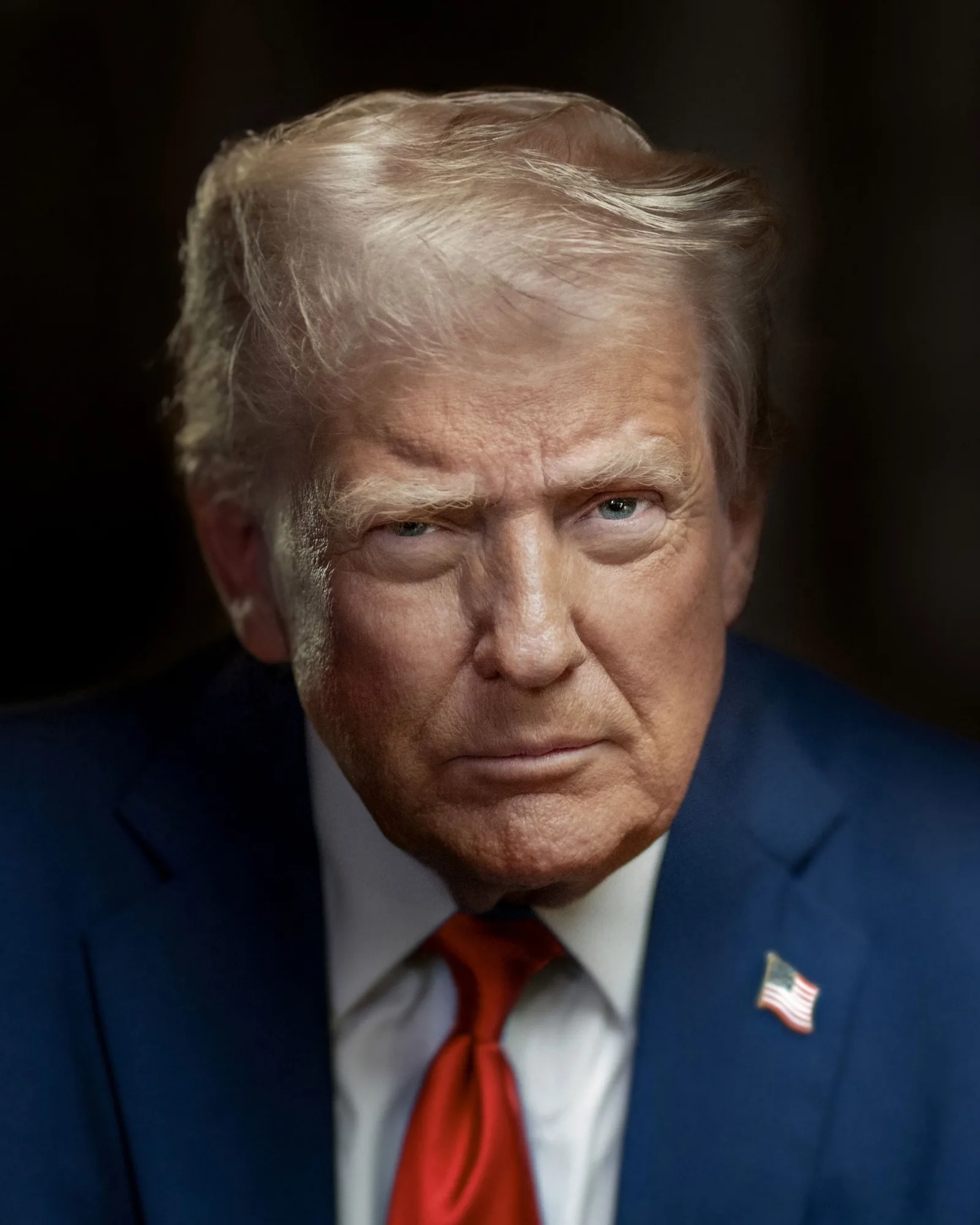 File photo
What happened
Key facts
- US District Judge David O Carter rejected the Justice Department’s request to delay counting up to 20,000 California mail-in ballots until voters’ citizenship could be checked.
- The Trump administration alleged California election officials failed to meet a 48-hour deadline to review a list of 20,000 people federal authorities suspected were non-citizens.
- More than 3.7 million people had already voted in California, according to court proceedings cited in Associated Press reports.
- In an initial review, local election officials found many names were absent from voter rolls or listed as suspended, meaning those people would not receive mail-in ballots.
The brief
U.S. District Judge David O. Carter rejected the Justice Department’s request to separate as many as 20,000 California ballots while officials checked the citizenship of the voters associated with them.
The Trump administration had asked the court to keep the ballots apart from the count; Carter’s ruling refused that emergency measure as California’s mail-in ballot process was underway. The administration described the people linked to the ballots as likely or potentially non-citizens.
The Times of India reported that the Justice Department sought a delay in counting until citizenship checks were completed. ABC7’s account describes the requested step as segregating and excluding the ballots.
Both accounts identify the same central dispute: whether the federal government could have election officials set aside ballots based on the administration’s citizenship concerns. The Times of India reported that the Department of Homeland Security had claimed in July that 190,000 registered California voters might be ineligible because they were foreign nationals.
Federal authorities later gave state officials a list of 20,000 alleged high-confidence matches and 48 hours to review it, according to that outlet. It also reported that local officials’ initial checks found many names either absent from voter rolls or marked as suspended, which meant those individuals would not receive mail-in ballots.
Carter warned that separating the ballots could disrupt an election already underway. ABC7’s excerpt quotes the order as saying the request could also chill election workers and voters and discount votes cast by U.S. citizens.
The Times of India reported that more than 3.7 million people had already voted in California by the time of the ruling, giving the dispute immediate significance for ballot administration and counting.
Carter also raised a statutory concern: the request could violate the National Voter Registration Act, which limits certain changes to voter registration within 90 days of an election. The ruling did not treat the administration’s citizenship allegations as established findings.
Instead, Carter pointed to a separate enforcement route, saying federal prosecutors could pursue noncitizens accused of unlawful voting under existing federal law. The appeal had already reached the U.S. 9th Circuit Court of Appeals.
News8000 reported that the appeals court ruled 2-1 that it lacked authority to intervene before the lower court had ruled, and returned the case to Carter. That procedural ruling sent the dispute back to the district court rather than deciding the citizenship status of the people associated with the ballots.
The accounts emphasize different parts of the case: the Times of India details the federal list, the review window and the initial local checks; ABC7 highlights the judge’s concerns about election workers, voters and eligible citizens; and News8000 reports the appeals court’s procedural decision and Carter’s reference to prosecutions.
Together, they show a legal dispute over whether ballot separation was an available tool for addressing the administration’s allegations while voting and counting were in progress.
Why it matters
- California voters linked to as many as 20,000 ballots faced the possibility that their ballots would be separated from counting while officials checked citizenship.
- Election officials were asked to review a federal list within 48 hours, and local checks found many names absent from voter rolls or marked suspended.
- More than 3.7 million people had already voted when Carter ruled, while he warned that separating ballots could disrupt the ongoing election.
- The Justice Department’s effort to address its citizenship concerns through ballot separation was rejected; Carter identified federal prosecution of people accused of unlawful voting as an existing enforcement route.
What to watch next
- Whether the Justice Department continues its case before Judge David O. Carter after the 9th Circuit returned it to the district court.
- Whether Carter rules further on the National Voter Registration Act issue raised in connection with the requested ballot separation.
- Whether federal prosecutors use the enforcement route Carter identified to pursue noncitizens accused of unlawful voting.
- How California officials handle the federal list of 20,000 alleged matches and the names their initial review found absent from voter rolls or suspended.
How it's being covered
Coverage analysisShow details7 source articles · 6 unique outlets · 5 distinct reportsOutlet political mix: Mostly Center· 1 Left · 4 Center · 1 unratedWhere the outlets are based: Unknown 50% · US/Canada 33% · Other 17%
- Coverage is currently concentrated among Center-rated outlets (4 of 5 rated sources); comparatively few Right-rated outlets have published on the event.
How outlets' accounts compare
4 framing differences · 2 uncorroborated claims · 2 information gaps- The Times of India describes the request as delaying ballot counting until citizenship checks; ABC7 characterizes it as segregating and excluding ballots.
- ABC7 foregrounds Carter’s concerns about effects on election workers, voters and eligible citizens; News8000 emphasizes the 9th Circuit’s 2-1 procedural ruling and Carter’s reference to federal prosecutions.
- The Times of India supplies the federal list and initial local-review details, which do not appear in the other excerpts.
- The administration’s citizenship concerns are attributed as claims; the sources do not report a court finding that the voters linked to the ballots were non-citizens.
- Carter warned that the requested measure could “wreak havoc and disrupt the election that is already underway.”
- Carter said federal prosecutors could pursue noncitizens accused of unlawful voting under existing federal law.
- The sources do not provide a final tally of ballots that would have been affected by the proposed separation.
- The administration’s claim that the people associated with the ballots were likely or potentially non-citizens is presented as an allegation, not an established finding.
Timeline
Developments from this story's sources, dated background we compiled and fact-checked, and our earlier coverage. Each row says which.- President Bill Clinton signed the National Voter Registration Act into law.Background · compiled and fact-checked by Updat3
- President George W. Bush signed the Help America Vote Act, establishing federal election-administration requirements.Background · compiled and fact-checked by Updat3
- The Supreme Court ruled that Arizona could not require additional citizenship documents from applicants using the federal voter-registration form.Background · compiled and fact-checked by Updat3
- California began automatically registering eligible voters through the Department of Motor Vehicles.Background · compiled and fact-checked by Updat3
- The Supreme Court upheld Ohio’s use of address-change notices as part of its voter-list maintenance process.Background · compiled and fact-checked by Updat3
- California enacted a law requiring county election officials to mail ballots to all registered voters for each election.Background · compiled and fact-checked by Updat3
- The Supreme Court allowed Virginia to remove registrations flagged as belonging to noncitizens before the election.Background · compiled and fact-checked by Updat3
- The Department of Homeland Security notified California Secretary of State Shirley Weber that it had identified thousands of likely noncitizens registered to vote.Background · compiled and fact-checked by Updat3
How we got here
Before Judge David O. Carter’s ruling, federal authorities had given California officials a password-protected thumb drive containing 20,000 alleged matches and 48 hours to act. More than 3.7 million people had already voted when Carter considered the request. The U.S.
Constitution gives states primary responsibility for administering elections while allowing Congress to regulate federal elections. The National Voter Registration Act of 1993 established federal registration procedures, and the Help America Vote Act of 2002 added election-administration requirements. In Arizona v.
Original sources
7 articles from 6 outletsEvery story links to the reporting it was built from. How we choose sources
Spotted a factual error, a broken link or a misleading summary? Tell us.