
Federal Reserve expected to hold rates as inflation remains elevated
Officials are expected to leave the benchmark rate unchanged, extending the pause as inflation remains elevated. The decision could signal how persistent price pressures may affect the timing of future rate cuts.
AI-assisted synthesis · Based on 2 independent reports from 4 outlets · Article text read from 1 of 2 reports · 1 article captured only in partHow it's made
View timeline · 8 entries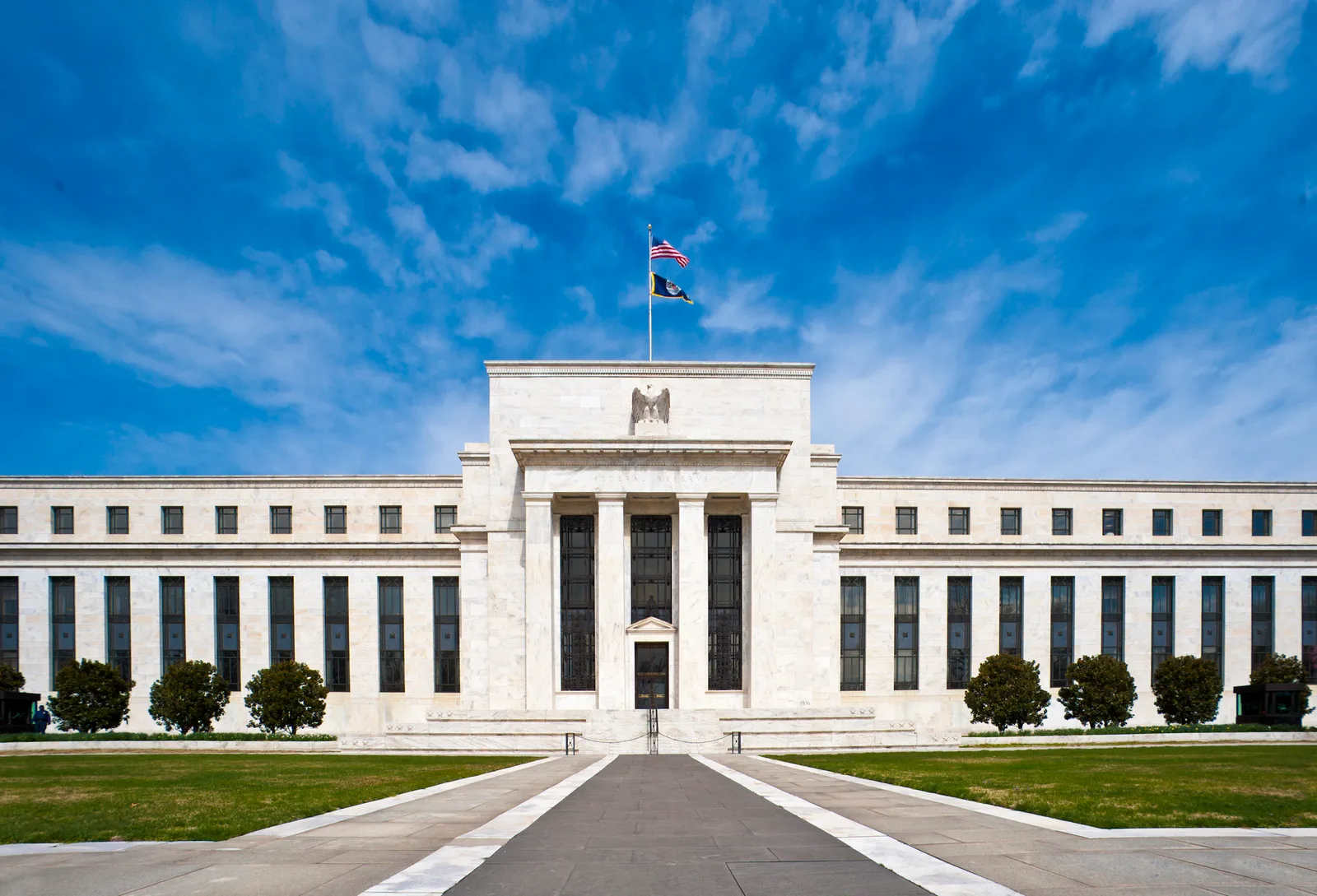 File photo
What happened
Key facts
- The Federal Reserve is widely expected to keep rates unchanged this week.
- Producer inflation rose 6.3% year over year, the highest wholesale rate since 2022.
- Kevin Warsh has said inflation is the Federal Reserve’s top priority but has provided little detail about his economic outlook or rate-setting approach.
- Consumer prices excluding food and energy were 2.6% higher than a year earlier.
- John Williams and Phillip Jefferson said in speeches before the meeting that officials have time to wait.
The brief
The Federal Reserve is widely expected to leave interest rates unchanged at its upcoming meeting, despite inflation readings that remain elevated. UpNorthLive reports that wholesale prices rose 6.3% from a year earlier, the highest rate since 2022, while consumer prices excluding food and energy were 2.6% above their level a year earlier.
The prospect of holding rates follows a quarter-point increase in September 2026, the first such increase since 2023, according to UpNorthLive. The outlet’s account describes the upcoming decision as one officials are expected to make against the backdrop of the latest inflation figures; it does not give a specific rate decision as already made.
John Williams and Phillip Jefferson said in speeches before the meeting that Federal Reserve officials have time to wait. Their comments offer a stated reason for patience as policymakers consider the data, though the account does not present either official as announcing a decision for the committee.
Mark Williams, a finance lecturer at Boston University’s Questrom School of Business and a former Federal Reserve bank examiner, pointed to stable hiring and unemployment. He said those conditions give policymakers more room not to raise rates at this meeting. He also said bringing inflation under control would take time.
Federal Reserve Chair Kevin Warsh has identified inflation as the central bank’s top priority, UpNorthLive reports, but has given little detail about his economic outlook or rate-setting approach. The account quotes Mark Williams as saying the Federal Reserve could wait until after the election to raise rates if an increase is unnecessary at the coming meeting.
That is Williams’s assessment, not a stated decision by the central bank. The coming meeting therefore puts two documented considerations in view: inflation readings above the Federal Reserve’s target level as described in the account, and comments from officials that they have time to wait.
The account does not specify the committee’s eventual decision or give a rate level for the expected hold.
Why it matters
- Holding rates would keep borrowing costs high for households seeking mortgages, car loans, and credit, and for businesses weighing investment or hiring. If inflation remains elevated, the Fed may delay cuts, extending that pressure; waiting also gives officials more time to assess price trends before easing policy.
What to watch next
- Whether the Federal Reserve holds rates unchanged at its upcoming meeting, as widely expected.
- Whether John Williams and Phillip Jefferson’s stated view that officials have time to wait is reflected in the committee’s decision.
- Whether Kevin Warsh provides more detail about his economic outlook or approach to setting rates.
How it's being covered
Coverage analysisShow details4 source articles · 4 unique outlets · 2 distinct reportsOutlet political mix: Mostly Center· 1 Left · 2 Center · 1 unratedWhere the outlets are based: US/Canada 50% · Asia 25% · Other 25%
How outlets' accounts compare
Timeline
Developments from this story's sources, dated background we compiled and fact-checked, and our earlier coverage. Each row says which.- The mandate’s legal foundation is the Federal Reserve Act, signed by President Woodrow Wilson on December 23, 1913.Background · from our historical context
- Congress passed the Federal Reserve Reform Act, clarifying the Fed’s employment and price-stability responsibilities.Background · compiled and fact-checked by Updat3
- The Federal Reserve began sharply tightening monetary policy under Chair Paul Volcker.Background · compiled and fact-checked by Updat3
- In January 2012, the Fed announced a 2% longer-run inflation goal, giving policymakers a stated benchmark for judging price stability.Background · from our historical context
- The Federal Reserve cut its federal funds rate target to 0%–0.25% as the COVID-19 pandemic disrupted economic activity.Background · compiled and fact-checked by Updat3
- The Federal Reserve’s last major tightening cycle began in March 2022, when the Federal Open Market Committee (FOMC) raised its benchmark rate from near zero as inflation climbed.Background · from our historical context
- The Federal Reserve raised its target federal funds rate to 5.25–5.50%.Background · compiled and fact-checked by Updat3
- The Federal Reserve cut its federal funds target range by half a percentage point, to 4.75%–5.00%.Background · compiled and fact-checked by Updat3
How we got here
The Federal Reserve’s last major tightening cycle began in March 2022, when the Federal Open Market Committee (FOMC) raised its benchmark rate from near zero as inflation climbed. By July 2023, the target range had reached 5.25%–5.5%, its highest level in 22 years; the Fed then held rates there through July 2024.
In September 2024, it began cutting, reducing the range by half a percentage point, followed by quarter-point cuts in November and December. In January 2012, the Fed announced a 2% longer-run inflation goal, giving policymakers a stated benchmark for judging price stability.
Original sources
2 of 4 articles · US/Canada · Show allEvery story links to the reporting it was built from. How we choose sources
Spotted a factual error, a broken link or a misleading summary? Tell us.