
Foursquare co-founder says Infillion sale brought investors no returns
Foursquare co-founder Dennis Crowley said the company’s sale to Infillion left equity holders with no returns. Crowley said neither preferred nor common stockholders received value, and described the outcome as heartbreaking.
AI-assisted synthesis · Based on 4 outlets' reporting · Article text read from 2 of 4 outletsHow it's made
View timeline · 5 entries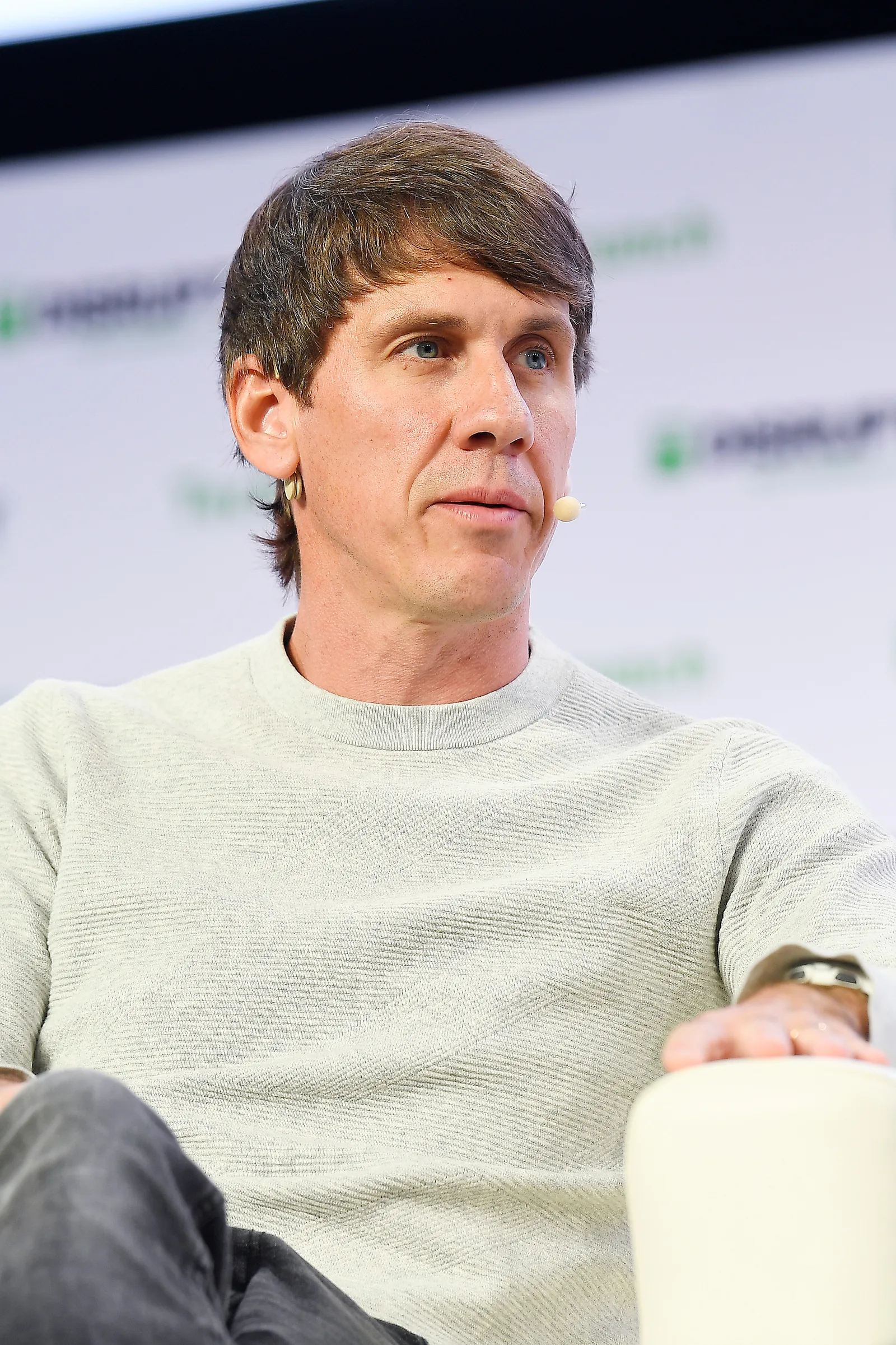 File photo
What happened
Key facts
- Foursquare co-founder and former CEO Dennis Crowley said investors received no returns from the sale.
- Foursquare had consecutive years with more than $100 million in revenue after focusing on enterprise business, Crowley said.
- Foursquare raised capital from a private equity firm in 2019 and brought in the banker who led the raise as CEO in 2021.
- Foursquare had raised more than $411 million in funding, according to PitchBook data.
- Crowley inferred that neither preferred nor common stockholders received value from the deal and said he was disappointed.
The brief
Foursquare co-founder Dennis Crowley says the company’s acquisition by Infillion left investors with no returns. Crowley said neither preferred nor common stockholders received money or value from the deal, and described the outcome as heartbreaking. Infillion acquired Foursquare last month for a sum that was not disclosed.
The acquisition is the immediate context for Crowley’s account of the company’s equity outcome. His comments concern returns to investors, rather than the purchase price paid for the business, which was not made public. Crowley also addressed the company’s former employees, apologizing to about 1,600 people who worked there over 17 years.
He said the ending made it seem as if their collective efforts had been worth nothing. His remarks present the sale not only as an investor outcome but as a painful conclusion for people who had worked on the business.
The financial history reported alongside Crowley’s comments includes a period of substantial enterprise revenue: Crowley said Foursquare had consecutive years above $100 million after shifting its focus to enterprise business. The company raised capital from a private equity firm in 2019, and in 2021 it appointed the banker who had led that fundraising as CEO.
Those details establish the business and financing context around the company, but do not explain how the sale proceeds were allocated. PitchBook data put Foursquare’s total funding raised at more than $411 million.
That figure measures funding over the company’s history; it is distinct from the value investors received in the acquisition, which Crowley said was zero for both preferred and common stockholders. Foursquare shut down its app in 2024, according to TechCrunch.
Crowley had helped launch the location technology company in 2009, left the CEO role in 2016, and continued leading its research and development lab through 2021, Business Insider reported.
His account of the sale now links the company’s business trajectory to the absence of an equity return, while Infillion’s executive vice president of marketing, Calynn Krieger, described Foursquare as having remarkable technology and a talented team in an email to Business Insider.
Why it matters
- Foursquare equity holders bear the direct financial cost Crowley described: no money or value for preferred or common stock in a deal whose purchase price was undisclosed.
- About 1,600 former employees are directly implicated in Crowley’s account of the company’s ending; he apologized to them and said the outcome made their collective work seem valueless.
- The contrast between more than $100 million in revenue in consecutive years and more than $411 million in total funding, on one hand, and no investor return in the sale, on the other, makes the distinction between business performance, fundraising and equity proceeds central to the story.
- Infillion’s marketing executive praised Foursquare’s technology and team, while Crowley described the equity outcome as heartbreaking; these are distinct perspectives on the acquired company and its sale.
What to watch next
- Whether Infillion discloses the acquisition price or further explains the transaction’s financial terms.
- Whether Crowley or Infillion provides further detail on how the sale affected preferred and common stockholders.
- Whether Foursquare’s former investors publicly address Crowley’s statement that they received no returns.
- Whether Infillion’s stated view of Foursquare’s technology and team is reflected in its plans for the acquired business.
How it's being covered
Coverage analysisShow details4 source articles · 4 unique outletsOutlet political mix: Center Only· 4 CenterWhere the outlets are based: US/Canada 75% · Asia 25%
- Coverage is currently concentrated among Center-rated outlets (4 of 4 rated sources); comparatively few Left or Right-rated outlets have published on the event.
- Coverage is currently concentrated among outlets based in US/Canada (3 of 4 geographically-identified sources).
One source is from a wire service (AP, Reuters, AFP or Bloomberg), whose reporting other outlets often republish.
How outlets' accounts compare
3 framing differences · 2 uncorroborated claims · 3 information gaps- Business Insider emphasizes Crowley’s apology to former employees and his criticism of the company’s ending; TechCrunch also foregrounds his heartbreak while adding the company’s revenue, fundraising and leadership history.
- TechCrunch identifies Infillion as the buyer and says the acquisition occurred last month for an undisclosed sum; Business Insider focuses on Crowley’s account of the equity outcome and employee impact.
- The zero-return account is attributed to Crowley; the sources do not independently provide transaction records establishing the amount distributed to each investor.
- Crowley said the outcome left investors with no returns and described himself as heartbroken.
- Infillion executive vice president of marketing Calynn Krieger told Business Insider that Foursquare had remarkable technology and a talented team.
- The sources do not explain the acquisition’s purchase-price allocation, debt or other liabilities, or the details of the preferred and common share structure.
- The sources do not provide statements from Foursquare’s investors about the sale.
- The acquisition price is undisclosed, and the sources do not provide transaction terms beyond Crowley’s statement that equity holders received no returns.
Timeline
Developments from this story's sources, dated background we compiled and fact-checked, and our earlier coverage. Each row says which.- The company began in 2009, when Crowley and Naveen Selvadurai launched Foursquare as a location-based social network.Background · from our historical context
- In 2014, Foursquare separated its check-in product into the Swarm app, while developing its location-data business for commercial customers.Background · from our historical context
- Dennis Crowley stepped down as Foursquare’s chief executive, and Jeff Glueck became CEO.Background · compiled and fact-checked by Updat3
- Foursquare raised $150 million in a funding round led by The Raine Group.Background · compiled and fact-checked by Updat3
- Foursquare acquired location-data company Factual.Background · compiled and fact-checked by Updat3
How we got here
Foursquare’s immediate financial backdrop was its shift from a consumer check-in app toward selling location data and technology to businesses: co-founder Dennis Crowley said the company then recorded consecutive years of revenue above $100 million. In 2021, Foursquare appointed as CEO the banker who had led its 2019 capital raise from a private-equity firm.
PitchBook later recorded more than $411 million in total funding. The company began in 2009, when Crowley and Naveen Selvadurai launched Foursquare as a location-based social network. In 2014, Foursquare separated its check-in product into the Swarm app, while developing its location-data business for commercial customers.
Original sources
1 of 4 articles · Asia · Show allEvery story links to the reporting it was built from. How we choose sources
Spotted a factual error, a broken link or a misleading summary? Tell us.