
Garin says ASEAN could take years to prepare for energy disruptions
Philippine Energy Secretary Sharon Garin said Southeast Asian countries could need years to strengthen infrastructure and build emergency fuel supplies for another major energy disruption. She said ASEAN members have agreed to help one another during supply shortages, but readiness is uneven.
AI-assisted synthesis · Based on 2 outlets' reporting · Article text read from 1 of 2 outletsHow it's made
View timeline · 4 entries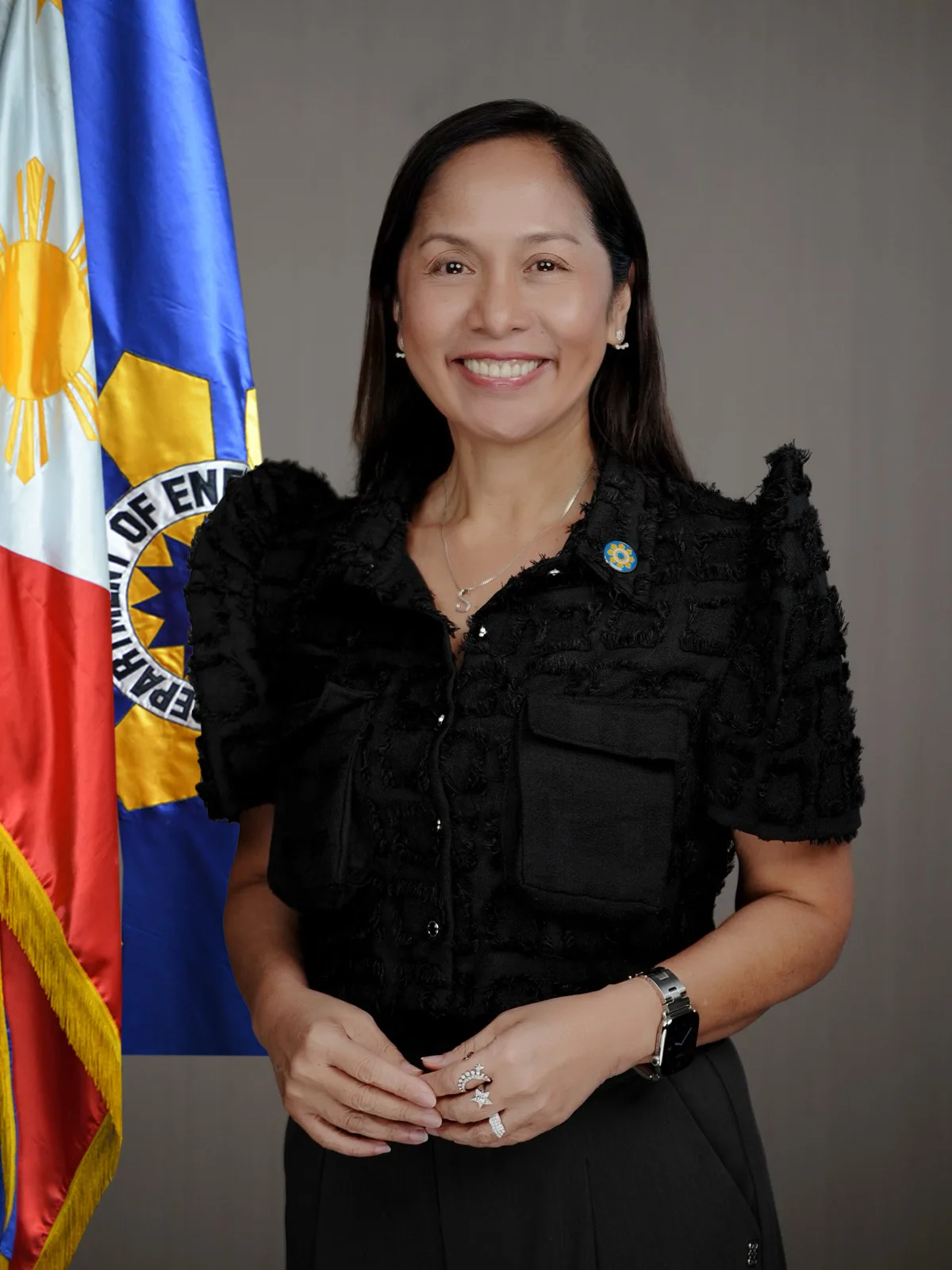 File photo
What happened
Key facts
- Philippine Energy Secretary Sharon Garin said ASEAN countries could take several years to prepare for another major energy supply disruption (per CNA).
- Garin said ASEAN members have agreed to help one another during supply shortages, but not all are ready for another crisis (per CNA).
- Garin said conflict in the Middle East has disrupted energy supplies and left the region uncertain about supplies (per CNA).
- The Philippines has begun building its first government fuel stockpiling facility, Garin said (per CNA).
- Garin said the Philippines is revising regulations to protect consumers from sudden price surges (per CNA).
- Garin said preparing for long-term energy disruptions requires changes to laws, infrastructure and funding (per CNA).
- Garin said the ASEAN power-grid agreement and commitment to share electricity are political declarations, and developers must find projects worth investing in (per CNA).
- Garin said a greater supply of renewable energy would require technology capable of following changes in electricity demand (per CNA).
The brief
Philippine Energy Secretary Sharon Garin said Southeast Asian countries could need several years to prepare for another major energy supply disruption, as governments work to strengthen infrastructure and build emergency fuel supplies.
CNA reported her remarks from the sidelines of Singapore International Energy Week in Singapore on Tuesday, where she spoke with CNA’s Roland Lim. Garin said ASEAN members have an agreement to assist one another during supply shortages, but readiness is uneven.
She described the regional commitment to an ASEAN power grid and electricity sharing as political, rather than evidence that all members are already prepared to manage another crisis. Garin linked the urgency of preparation to energy-supply disruptions caused by conflict in the Middle East.
The resulting uncertainty over supplies, she said, underscores the limits of relying on short-term reactions to a longer-term challenge. “We're reacting to a recent crisis, and reactionary (approaches) cannot solve a long-term problem,” she said. The Philippines has started building its first government fuel stockpiling facility, according to Garin.
She also said the government is revising regulations intended to protect consumers from sudden price increases. Her account identifies fuel storage and consumer protections as parts of the country’s preparation, alongside broader changes needed to address disruptions that could last longer. Garin said sustained preparation requires changes to laws, infrastructure and funding.
Her comments frame readiness as a multi-part undertaking: governments need to build capacity and create the rules and financing that support it, rather than rely only on emergency measures after supplies are disrupted.
She also pointed to investment conditions as a factor in developing regional electricity sharing. “We have to make sure that for the developers, it's worth the investment,” she said.
Garin described the ASEAN grid and power-sharing commitment as a political declaration; making projects attractive to developers is, in her account, part of turning that commitment into infrastructure. Garin said expanding renewable energy would also require technology able to follow changes in electricity demand.
Her remarks connect the planned increase in renewables with a need for supporting technology, while presenting regional cooperation, domestic fuel storage, consumer rules, infrastructure and funding as parts of a longer preparation effort.
Why it matters
- Consumers in the Philippines face the specific risk of sudden price surges; Garin said the government is revising regulations intended to protect them.
- Fuel supply preparedness in the Philippines includes a government stockpiling facility now under construction, described by Garin as the country’s first.
- ASEAN members’ agreement to assist one another during shortages does not mean readiness is uniform, Garin said; she estimated preparation could take several years.
- Energy-project developers have a documented investment consideration: Garin said projects must be worth investing in for an ASEAN power grid and electricity sharing to advance.
What to watch next
- Whether the Philippines completes its first government fuel stockpiling facility.
- How the Philippines revises regulations intended to protect consumers from sudden price surges.
- Whether ASEAN’s political commitment to a regional power grid and electricity sharing is translated into projects attractive to developers.
- How renewable-energy expansion is paired with technology that can follow changes in electricity demand.
How it's being covered
Coverage analysisShow details2 source articles · 2 unique outletsOutlet political mix: Too few rated· 1 Center · 1 unratedWhere the outlets are based: Asia 50% · Unknown 50%
- Coverage is currently limited to 2 outlets.
How outlets' accounts compare
Timeline
Developments from this story's sources, dated background we compiled and fact-checked, and our earlier coverage. Each row says which.- ASEAN leaders adopted the ASEAN Power Grid concept in 1997, setting a regional goal of linking national electricity networks.Background · from our historical context
- The ASEAN Petroleum Security Agreement was signed in 2009 to provide a framework for member states to cooperate during petroleum supply emergencies.Background · from our historical context
- The ASEAN Petroleum Security Agreement entered into force.Background · compiled and fact-checked by Updat3
- The United States and Israel launched coordinated military strikes across Iran, beginning the ongoing war.Background · compiled and fact-checked by Updat3
How we got here
On February 28, 2026, the United States and Israel launched coordinated strikes on Iran, targeting power plants, air defenses and other military infrastructure; the resulting war has added a major Middle Eastern risk to Asian energy security.
The ASEAN Petroleum Security Agreement was signed in 2009 to provide a framework for member states to cooperate during petroleum supply emergencies. ASEAN leaders adopted the ASEAN Power Grid concept in 1997, setting a regional goal of linking national electricity networks.
Original sources
1 of 2 articles · Asia · Show allEvery story links to the reporting it was built from. How we choose sources
Spotted a factual error, a broken link or a misleading summary? Tell us.