
Sen. Marsha Blackburn posts AI video of herself as Kendrick Lamar, drawing online mockery
Sen. Marsha Blackburn posted an AI-generated video that shows her and several Tennessee Republican figures lip-syncing Kendrick Lamar’s Super Bowl routine. The clip prompted widespread online ridicule and criticism from Tennessee Democratic gubernatorial nominee Jerri Green and others.
AI-assisted synthesis · Based on 5 outlets' reporting · Full text read from 2 of 5 outletsHow it's made
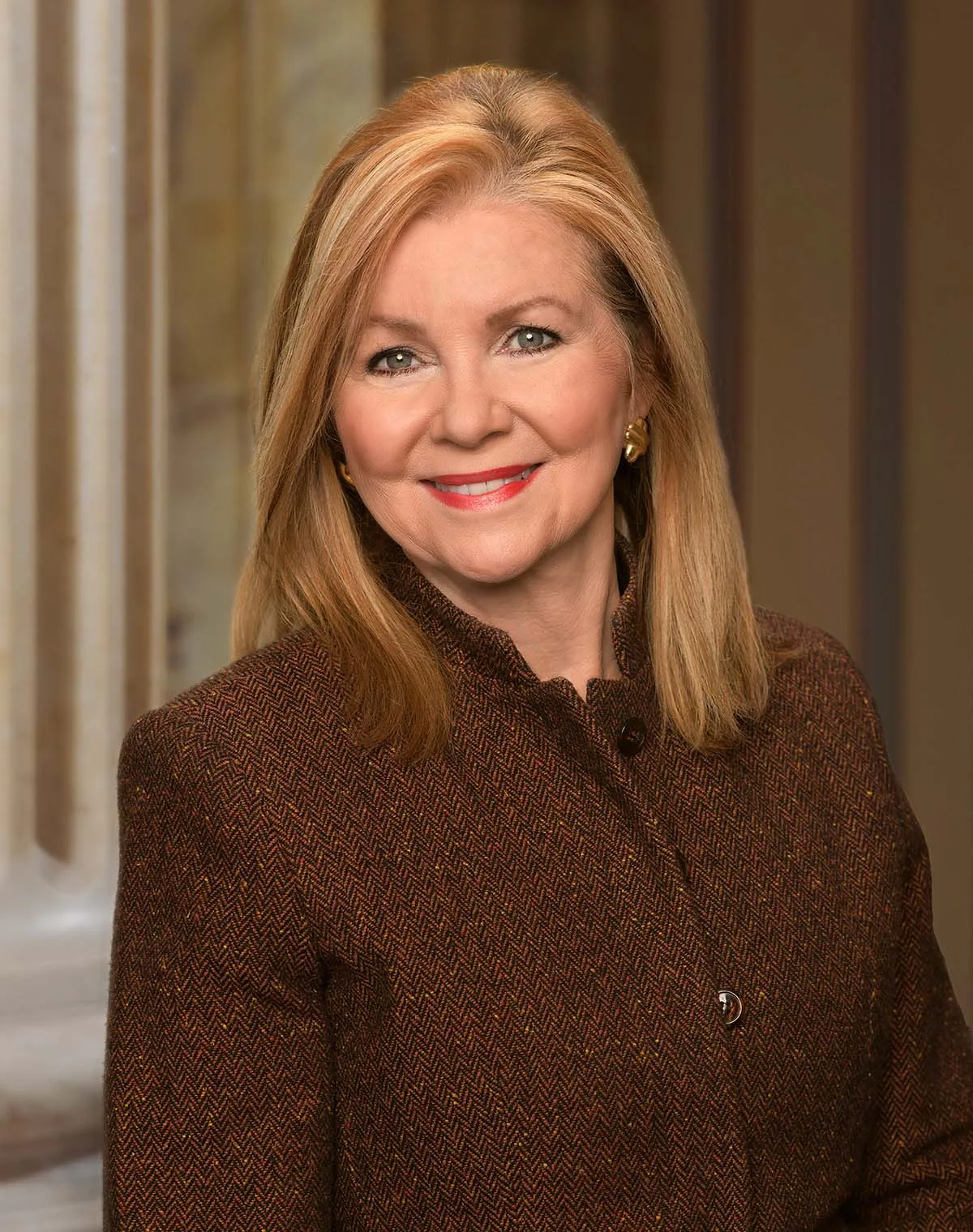 File photo
What happened
Key facts
- Billboard reported that Blackburn's attempt to rally social media backfired and that she faced roastings on the internet (per billboard.com, Yahoo, krcrtv.com).
- RealClearPolitics reported that Blackburn held a strong lead over Jerri Green in the gubernatorial race (per billboard.com, krcrtv.com).
The brief
Sen. Marsha Blackburn posted an AI-generated clip on X that shows her lip-syncing Kendrick Lamar’s 'Not Like Us' with other Tennessee Republican figures standing behind her. The 12-second video, captioned 'Ready to roll,' was circulated online ahead of early voting in Tennessee and was presented by multiple outlets as modelled on Kendrick Lamar’s Super Bowl LIX halftime routine. Billboard described the effort as backfiring, saying the post drew mockery, while local outlet KRCRTV noted criticism from political figures and commentators. Tennessee Democratic gubernatorial nominee Jerri Green publicly condemned the use of AI in campaign material, posting on X, 'When I say please stop using AI to support our campaign, this is what I mean.'
The AI clip includes persons identified in reporting as Glenn Jacobs, known as Kane, Rep. Tim Burchett, Sen. Bill Hagerty and state Sen. Brent Taylor; Billboard named those figures as the background participants. Critics shared and commented on the post: KRCRTV cited podcaster and former FBI agent Kyle Seraphin reposting the clip on X and saying Blackburn had 'been in politics for 37 years' and that the video was a poor choice. Outlets from The Hill to Yahoo ran headlines documenting the online backlash and ridicule. Billboard and KRCRTV placed the post in the context of Blackburn’s ongoing gubernatorial bid, and Billboard noted polling from RealClearPolitics showing Blackburn ahead of Green. Reporting does not include a statement from Kendrick Lamar or his representatives about the AI clip, nor do the sourced articles quote Blackburn explaining the use of AI beyond the caption she attached to the post. The accounts differ in tone: Billboard emphasised that the social-media push 'backfired' and highlighted the mockery, while KRCRTV foregrounded direct political criticism from Green and public commentators. Headlines collated from other outlets confirm the core facts: Blackburn posted an AI-generated Kendrick Lamar video online and it generated widespread negative reaction. Available reporting names the song used in the clip as 'Not Like Us' and links the visual style to Lamar’s Super Bowl performance. The coverage also notes the timing as tied to the start of early voting in Tennessee, presenting the post as part of Blackburn’s campaign activity. Beyond social-media reactions and named political criticism, the sourced reporting does not document formal campaign or legal consequences arising from the post, nor does it include any claim of permission from Kendrick Lamar or his rights holders for the AI-generated depiction.
Why it matters
- Voters in Tennessee face a direct reputational cost because the AI post was tied to Blackburn’s gubernatorial campaign and circulated ahead of early voting, potentially influencing undecided voters’ perceptions of the campaign’s judgment; RealClearPolitics polling cited by Billboard shows Blackburn leading Jerri Green in the race.
- Political opponents and commentators have an incentive to amplify the clip’s negatives: Jerri Green publicly condemned AI use and critics like Kyle Seraphin reposted and criticised Blackburn’s decision, signalling the material became a campaign liability for Blackburn.
- Creators and rights holders of Kendrick Lamar’s work face potential unapproved uses of their music and likeness in AI content; none of the sourced reporting includes a statement from Kendrick Lamar or his representatives about permission or rights.
- Campaigns nationwide and social platforms bear a policy and enforcement interest because the episode illustrates how AI-generated political content can be deployed in close proximity to elections, prompting scrutiny of campaign practices and platform moderation.
What to watch next
- Whether Sen. Marsha Blackburn or her campaign issues a public explanation or removes the AI video from X, as reported by KRCRTV and Billboard.
- Whether Jerri Green uses the incident in campaign advertising or messaging in Tennessee as reported by KRCRTV.
- Whether rights holders for Kendrick Lamar's music or representatives make a statement or take action regarding the AI use; no such statement appears in current reporting.
- Whether social-media platforms impose any enforcement action on the post, given the circulation and criticism documented by Billboard and KRCRTV.
How it's being covered
Coverage analysisShow details6 source articles · 5 unique outletsCoverage mix: Center Only· 4 CenterWhere the outlets are based: US/Canada 80% · Global 20%
- Coverage is currently concentrated among Center-rated outlets (4 of 4 rated sources); comparatively few Left or Right-rated outlets have published on the event.
- Coverage is currently concentrated among outlets based in US/Canada (4 of 5 geographically-identified sources).
How outlets' accounts compare
5 framing differences · 2 uncorroborated claims · 3 information gaps- Billboard framed the post as a social-media attempt that 'backfired' and highlighted ridicule from internet users; KRCRTV framed coverage around political criticism from Jerri Green and named commentators.
- KRCRTV emphasised the clip’s 12-second length and tied it explicitly to early voting; Billboard emphasised the viral mockery and named the background figures in the clip.
- No conflicting numerical figures were reported across the sources for the same fact.
- Sources consistently link the timing of the post to early voting in Tennessee, but they do not attribute any direct causal effect on voting outcomes.
- KRCRTV and Billboard both attribute the post to Sen. Marsha Blackburn; KRCRTV attributes the quoted criticism to Jerri Green and Kyle Seraphin, while Billboard attributes wider internet mockery without naming a single critic in some of its framing.
- Jerri Green on X: 'When I say please stop using AI to support our campaign, this is what I mean.'
- KRCRTV reported Kyle Seraphin wrote on X criticizing Blackburn's decision, saying she 'didn't know this was a terrible idea.'
- No report Updat3 read cites any statement from Kendrick Lamar or his representatives about the AI-generated clip or permission for the use of the song or likeness.
- No source documents any legal or platform-enforcement action triggered by the post.
- No source provides detailed polling numbers beyond Billboard citing RealClearPolitics that Blackburn leads Green; the precise poll figures are not provided in these articles.
How we got here
Immediate backdrop: Kendrick Lamar's Super Bowl halftime performance on Feb. 11, 2024 established the specific cultural footage that later became a frequent source for remixes and reposts. Structural roots: the mainstreaming of generative media followed OpenAI's public release of ChatGPT on Nov.
30, 2022 and earlier advances in generative adversarial networks beginning with Ian Goodfellow's 2014 GAN paper, which together lowered technical barriers to producing realistic synthetic audio and video.
Original sources
6 articles from 5 outletsEvery story links to the reporting it was built from. How we choose sources
Spotted a factual error, a broken link or a misleading summary? Tell us.